This industrial coarse copper sulfide is manufactured via dry-phase mineral synthesis, delivering stable effective copper content. Its controlled free sulfur residue helps curb excessive sulfur dioxide release during high-temperature smelting. The coarse granular powder reduces floating loss inside flotation cells, making it well suited for standard flotation processes adopted by non-ferrous metal concentrators.
COPPER(II) SULFIDE Chemical Properties
Melting point
220 °C (dec.) (lit.)
density
4.6 g/mL at 25 °C (lit.)
refractive index
1.45
solubility
insoluble in H2O, ethanol, dilacid, alkaline solutions
form
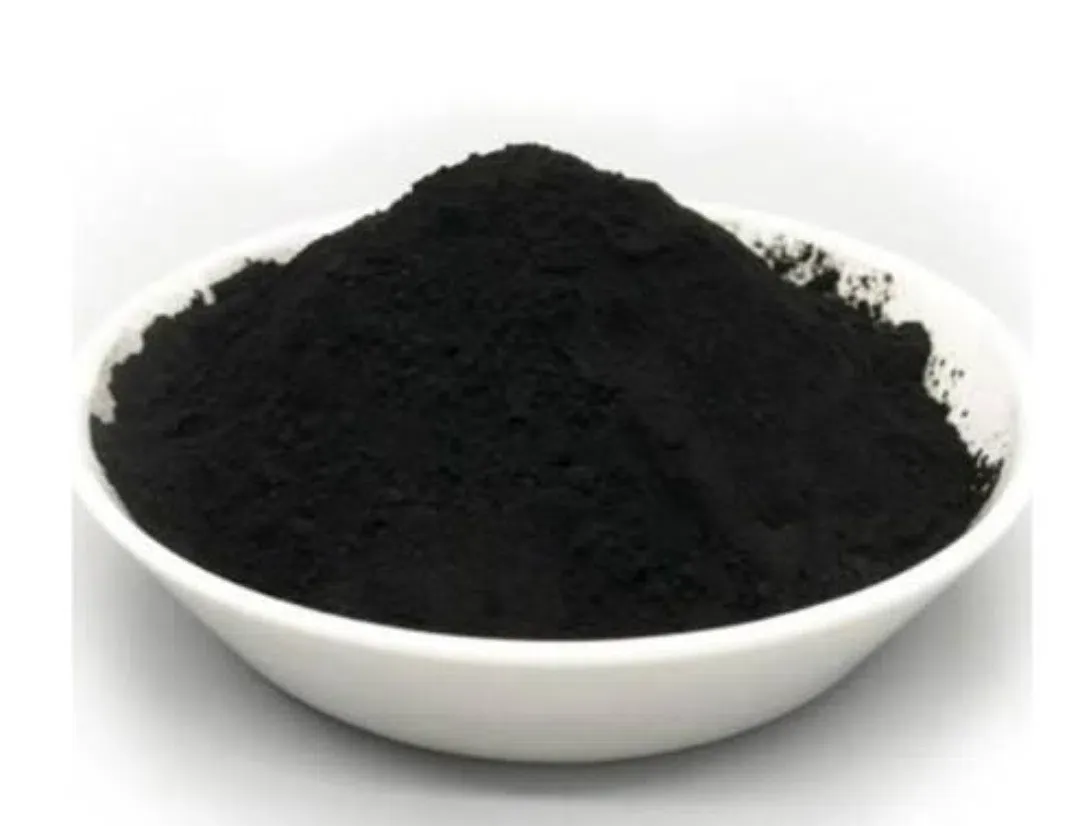
powder
color
Black
Specific Gravity
4.6 (20℃)
Water Solubility
Soluble in nitric acid, ammonium hydroxide, potassium cyanide. Insoluble in water, ethanol, hydrochloric acid ,dilute acids, sulfuric acid, alkali cyanides, aqueous ammonia and alkaline solutions.
ACGIH: TWA 1 mg/m3 NIOSH: IDLH 100 mg/m3; TWA 1 mg/m3
Stability:
Stable, but may be moisture senstive. Incompatible with strong acids, strong oxidizing agents.
Cosmetics Ingredients Functions
NOT REPORTED
InChI
1S/Cu.S
InChIKey
BWFPGXWASODCHM-UHFFFAOYSA-N
SMILES
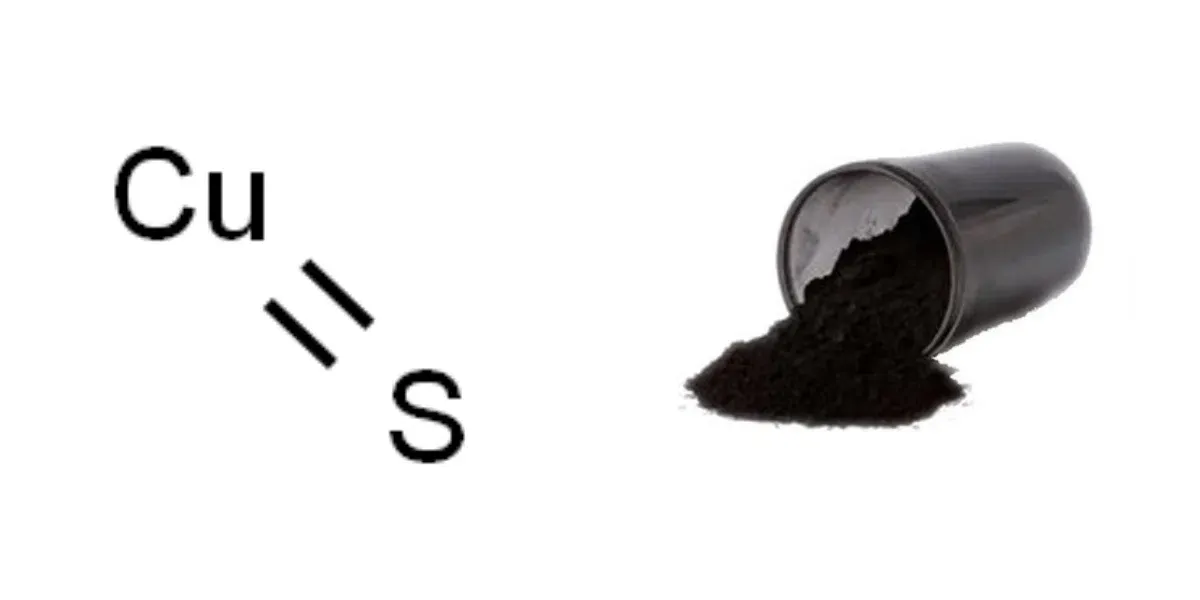
S=[Cu]
CAS DataBase Reference
1317-40-4(CAS DataBase Reference)
EPA Substance Registry System
Copper sulfide (CuS) (1317-40-4)
Safety Information
Safety Statements
22-24/25
WGK Germany
3
RTECS
GL8912000
TSCA
TSCA listed
HS Code
2830908500
Storage Class
11 - Combustible Solids
Hazardous Substances Data
1317-40-4(Hazardous Substances Data)
Industrial Grade COPPER(II) SULFIDE|CAS#1317‑40‑4
H2: Product Overview
Industrial‑grade copper(II) sulfide is manufactured by dry‑phase mineral synthesis process. It features stable effective copper content, while controlled free‑sulfur residue restrains excessive sulfur‑dioxide overflow under high‑temperature smelting conditions. Its coarse granular powder minimizes floating loss within flotation tanks, making it highly compatible with conventional flotation workflows operated by non‑ferrous metal concentrators.
H2: Product Application
H3: Mineral Processing & Flotation Industry
It functions as a high‑performance flotation activator for sulfide ores of copper, zinc and lead. By improving the hydrophobic property of target mineral surfaces, it effectively lifts the concentrate recovery rate for ore‑dressing plants.
H3: Non‑Ferrous Metallurgy Field
Acts as critical intermediate feedstock for non‑ferrous copper smelting. It participates in the production chain for electrolytic copper and multiple inorganic copper‑salt chemical syntheses.
H3: Potential Extended Industrial Usage
Besides mineral beneficiation and smelting, this product can also serve as raw material for related sulfide‑based chemical preparation for auxiliary industrial projects.
H2: Key Product Strengths
H3: Stable Batch‑to‑batch Performance
Strict process control over dry‑phase mineral synthesis guarantees consistent effective copper content from batch to batch. Free‑sulfur residuals are tightly regulated to avoid excess sulfur‑dioxide emissions during smelting operations.
H3: Optimized Granular Property for On‑site Operation
Coarse‑grained powder greatly reduces floating loss in flotation cells. It adapts well to existing production equipment without extra modification for most mineral‑processing plants.
H3: Long‑term Supply Reliability
Annual long‑term supply contracts are available for large‑scale mineral concentrators and smelting enterprises, securing stable raw‑material supply for continuous mass‑production schedules.
H2: Packaging, Storage & Transportation
H3: Standard Bulk‑shipping Packaging
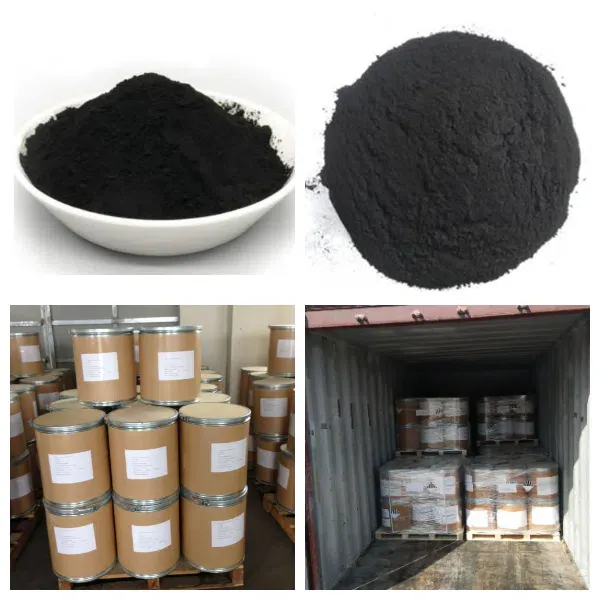
Standard packing: 25 kg woven bag equipped with PE inner liner for bulk shipment. The inner PE liner delivers moisture‑proof performance, and outer woven bags offer mechanical protection for sea and land freight. Customized packaging specifications are negotiable for large‑volume orders.
H3: Storage Recommendations
Store in cool, dry and ventilated warehouse. Keep sealed and avoid prolonged exposure to humid air. Keep apart from strong oxidants to prevent unexpected chemical degradation.
H3: Transport Notes
Ship as general industrial chemical goods. Please refer to MSDS for complete handling guidance. We support FCL and LCL ocean shipment for overseas bulk cargo.
H2: Delivery Schedule
H3: In‑stock Items
Shipment within 2‑3 working days upon payment confirmation.
H3: New‑production Orders
Production lead‑time: 7‑10 working days for freshly manufactured batches.
Remark: Above lead‑time excludes international ocean transit time; schedule may be slightly adjusted during peak production or logistics
seasons. We will send real‑time progress updates for each order.
H2: Export Supporting Documents
Full set of export papers can be supplied to facilitate overseas bulk‑cargo customs clearance:
Batch‑specific COA (Certificate of Analysis)
MSDS (Material Safety Data Sheet)
Commercial invoice, packing list and other customs‑required export documents
H2: Target End‑Users
Large‑scale non‑ferrous mineral processing & ore‑dressing plants
Copper smelting factories for electrolytic copper production
Manufacturers engaged in inorganic copper‑salt chemical synthesis
Global chemical raw‑material trading companies & bulk‑material distributors
H2: Factory & Production Capacity
Our production workshop adopts standardized dry‑phase mineral synthesis production lines. An independent QC laboratory conducts sampling inspection for every production batch to verify copper content, sulfur residue and particle‑size indicators before delivery. Factory and equipment introduction materials are available upon request for customer audit. We support both spot bulk supply and long‑term framework supply agreements.
H2: After‑sales & Technical Support
H3: Pre‑sales Technical Consulting
Our technical team can offer parameter reference and usage suggestions according to your flotation or smelting process conditions, helping you confirm suitable product specifications.
H3: After‑sales Response
Working‑day feedback within 24 hours for quality‑related inquiries. If product quality fails to match contracted specifications, we will coordinate follow‑up solutions. Technical guidance for on‑site usage is available; improper operation caused by client side is not covered by quality compensation.
H2: FAQ
H3: Can I get small trial quantity before placing bulk orders?
Our MOQ for bulk goods is ≥1 MT; small‑quantity trial lots can be discussed case‑by‑case.
H3: Is long‑term annual supply contract acceptable?
Yes. Long‑term supply contracts are negotiable for large mineral‑processing and smelting enterprises, helping stabilize raw‑material cost and delivery cycles.
H3: Can particle size or partial indicators be adjusted for custom requirements?
Customized technical indicators can be evaluated for large‑volume stable orders; please share your detailed process requirements with our sales team.
H3: What trade terms can you support for overseas bulk cargo?
We support EXW, FOB, CIF and other common international trade terms. We cooperate with mature freight forwarders to arrange port‑to‑port shipment.
Product Details Methyl Palmitate CAS# 112-39-0 Methyl palmitate is a fatty acid ester that occurs naturally in the essential oils of many plant species. The concentration of methyl palmitate within cells can be influenced by the presence of methanol. Experimental studies using isolated Kupffer cells
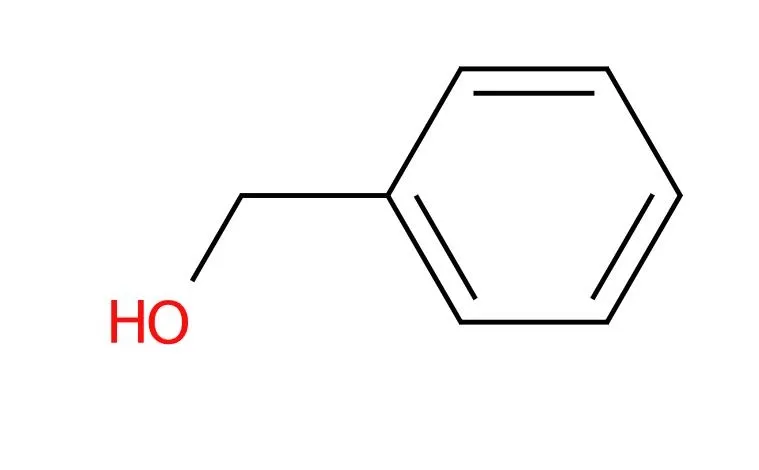
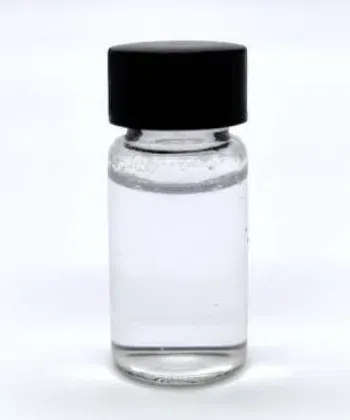
Benzyl alcohol (CAS#100‑51‑6), also named phenylmethanol, is a typical aromatic alcohol with extensive industrial application value. In its pure state, it is a colorless transparent liquid featuring a soft, pleasant hyacinth‑like aroma. For industrial‑grade products, trace impurities may bring a sli
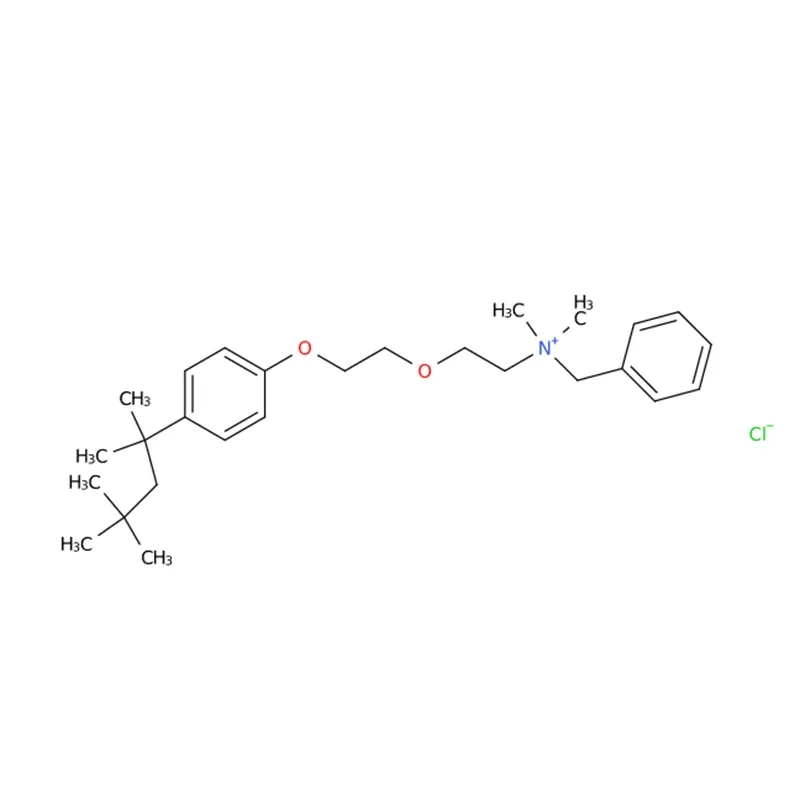
Product Details Product Description of Benzethonium Chloride (CAS No.: 121-54-0) Benzethonium chloride is a new-generation quaternary ammonium salt antibacterial agent that is widely applied in the daily chemical and cosmetic industries. Its excellent bactericidal and antibacterial properties make i
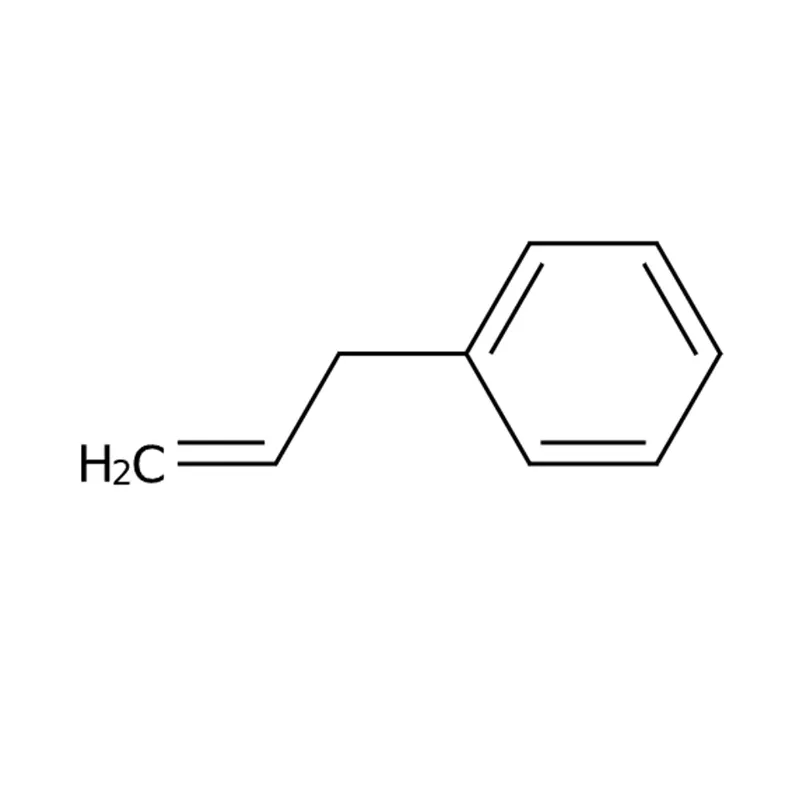
Product Details Product Description of Allylbenzene (CAS No.: 300-57-2) Allylbenzene is an organic compound with a molecular formula of C₉H₁₀ and a molecular weight of 118.18, appearing as a colorless liquid. It dissolves well in ethanol, diethyl ether, and benzene but is insoluble in water, which c