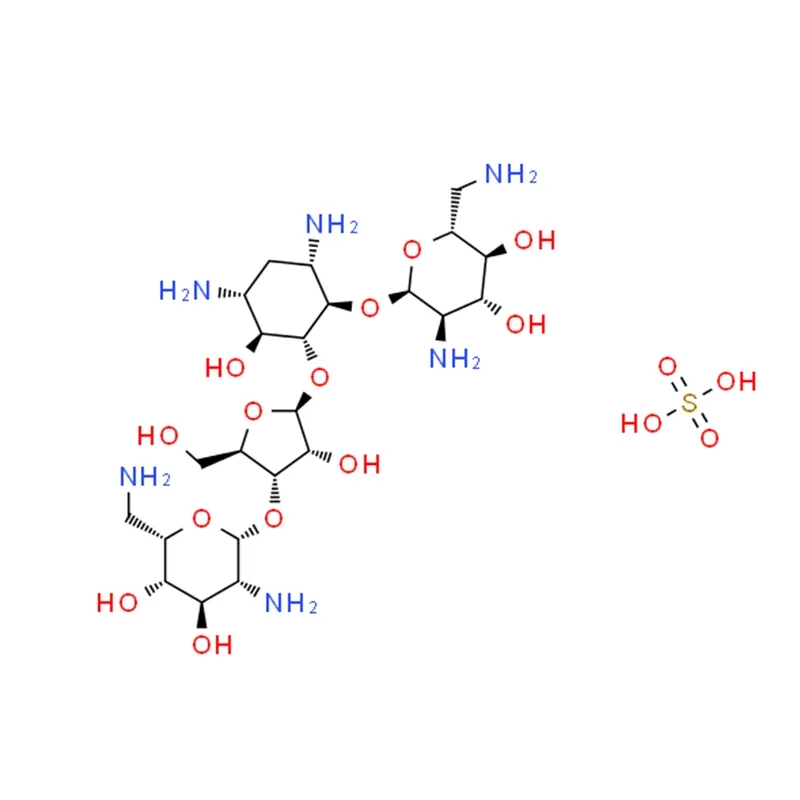
Product Details Neomycin sulfate is an aminoglycoside antibiotic and a calcium channel protein inhibitor. It binds to prokaryotic ribosomes, inhibiting protein translation, and is effective against both gram-positive and gram-negative bacteria. Additionally, it inhibits PLC (Phospholipase C) by bind
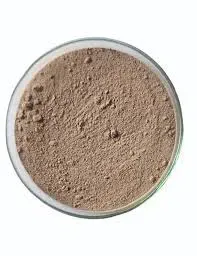
Indole butyric acid (IBA) is a broad spectrum indole class plant growth regulator, widely recognized for its powerful root inducing activity. It effectively promotes root generation and growth in cuttings of both herbaceous and woody ornamental plant species. Furthermore, it can be applied to improv
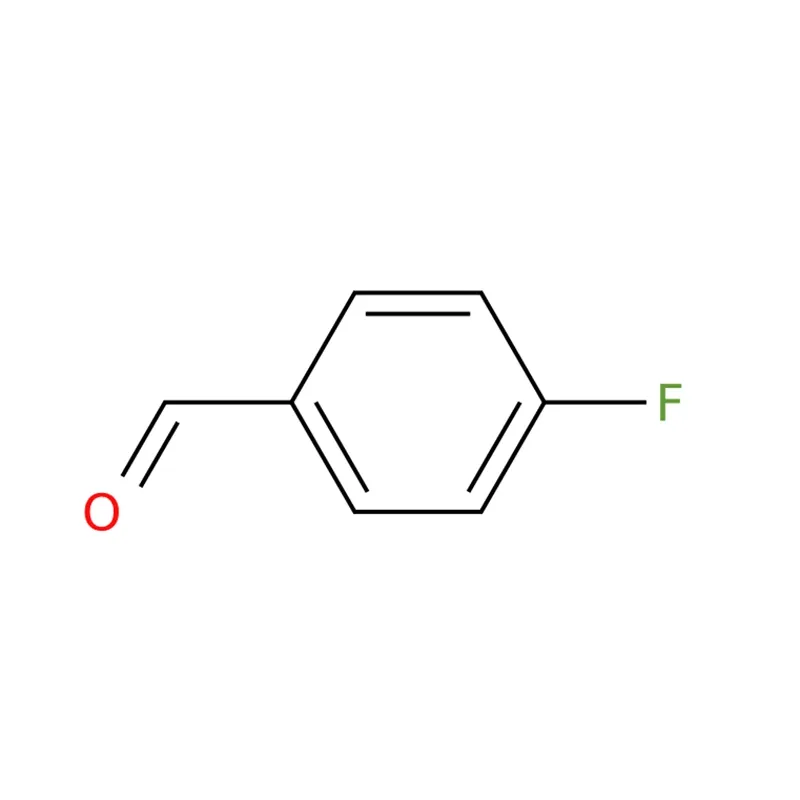
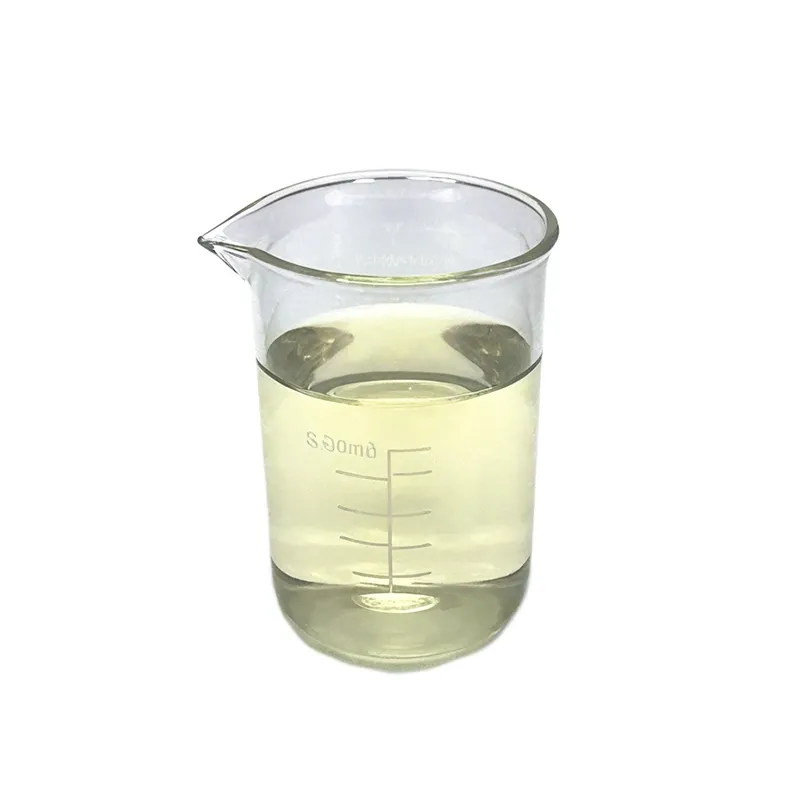
4-Fluorobenzaldehyde (CAS 459-57-4) is a high-value organic synthetic intermediate. It is normally a colorless to pale yellow liquid with a characteristic aromatic scent. Possessing the typical chemical behavior of aldehydes, it can undergo oxidation, reduction, condensation, and other common organi
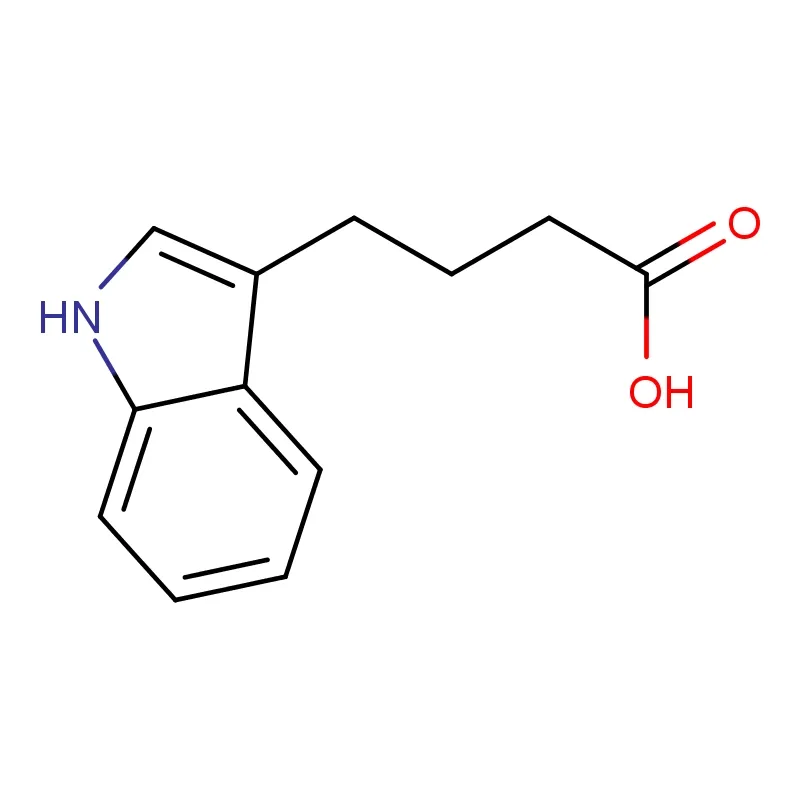
Product Details Indole-3-butyric acid is an indole-3-yl carboxylic acid, where butanoic acid is attached to a 1H-indol-3-yl group at the first position. It acts as a plant hormone, auxin, and plant metabolite. This compound is derived from butyric acid and is the conjugate acid of indole-3-butyrate.
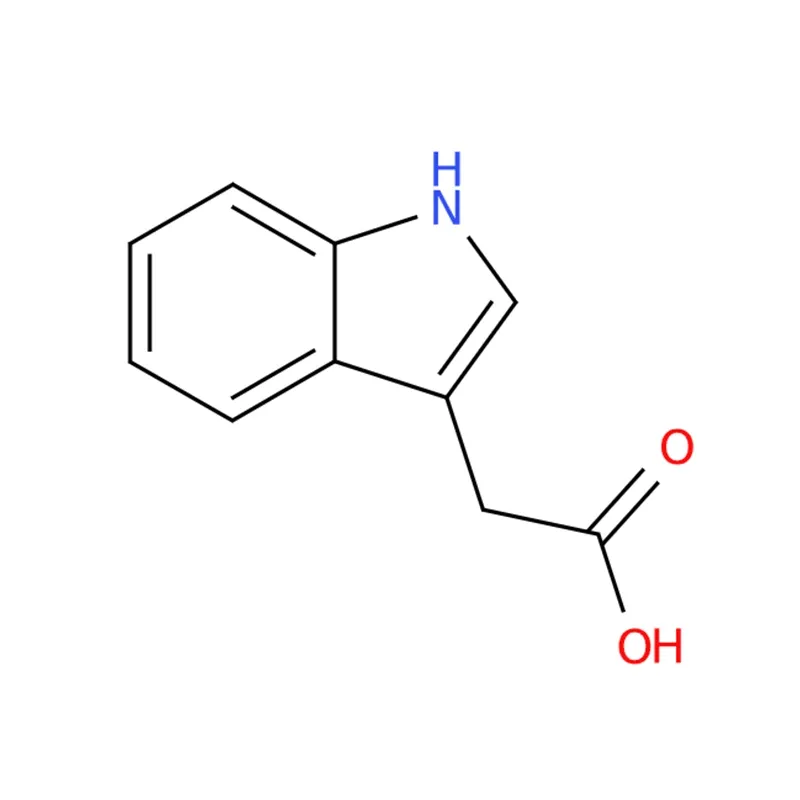
Product Details 3-Indoleacetic acid is a powerful growth stimulant for lower plants, naturally generated by multiple fungi such as yeast and extracted from strains including Aspergillus niger and Rhizopus species. It enjoys extensive application in both horticulture and industrial sectors. Indole-3-
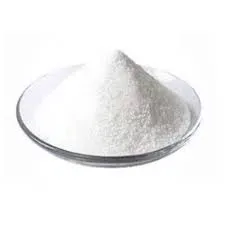
Product Details 4-Aminobutyric acid is utilized in both biochemical research and clinical medicine, particularly in treating conditions linked to hepatic coma and cerebrovascular disorders. As a pharmaceutical intermediate, it aids in lowering blood lipids, which makes it effective for the treatment
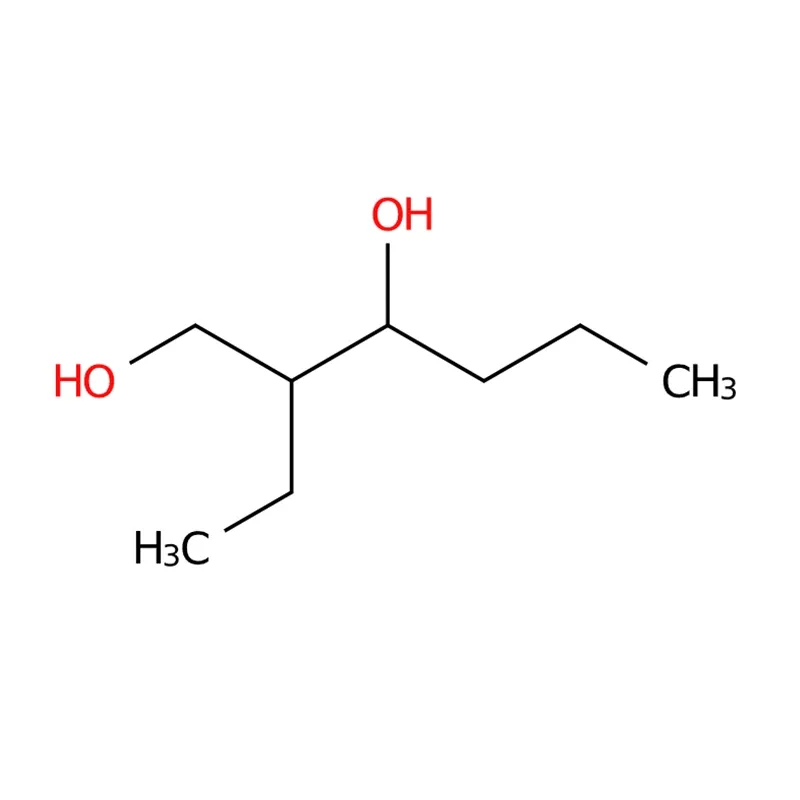
Product Details Ethyl hexanediol is not irritating to human skin but may cause chemical conjunctivitis. It serves as a standard repellent for chiggers, mosquitoes, black flies, and other biting insects. When combined with dimethyl phthalate and indalone, this mixture becomes more effective in repell
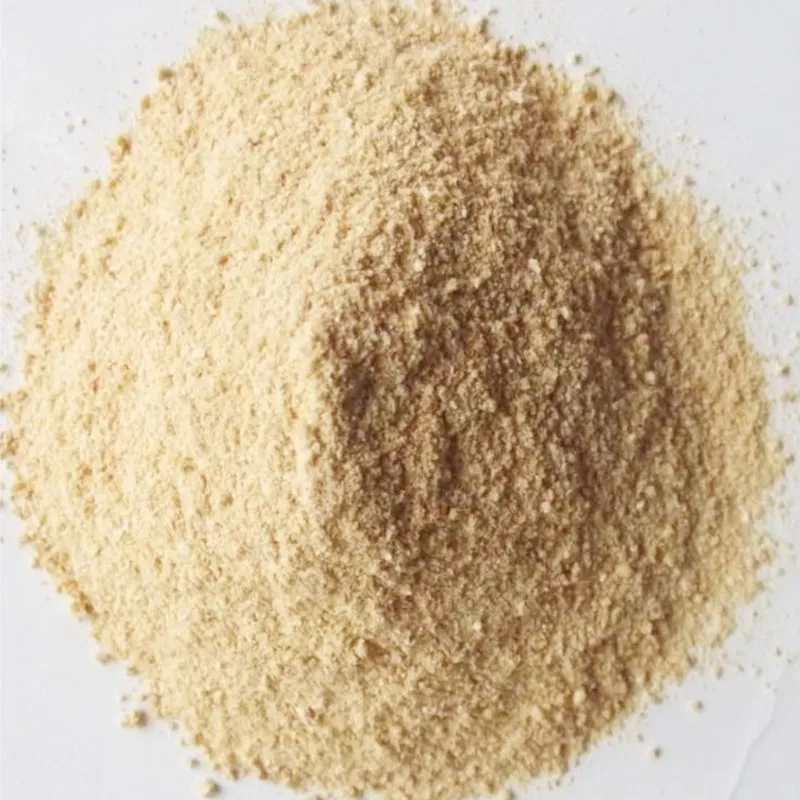
Product Details Polysuccinimide (CAS No. 5608-40-6) is usually provided as a white or off-white powder. It is insoluble in common organic solvents like water, ethanol, and acetone, but it can partially dissolve or swell when exposed to stronger polar solvents such as dimethyl sulfoxide (DMSO) and N-
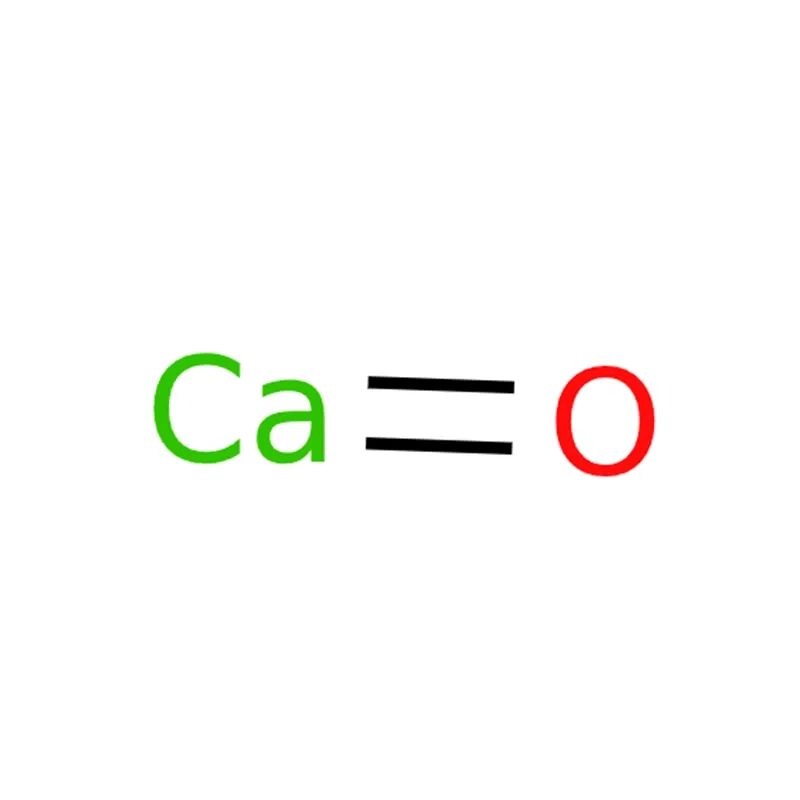
Product Details Calcium oxide (CaO, CAS No. 1305-78-8), commonly known as lime, quicklime, burnt lime, or calx, does not occur naturally. This is because it readily combines with water to form hydrated lime and with carbon dioxide to produce limestone. It is produced by calcining calcium carbonate-c
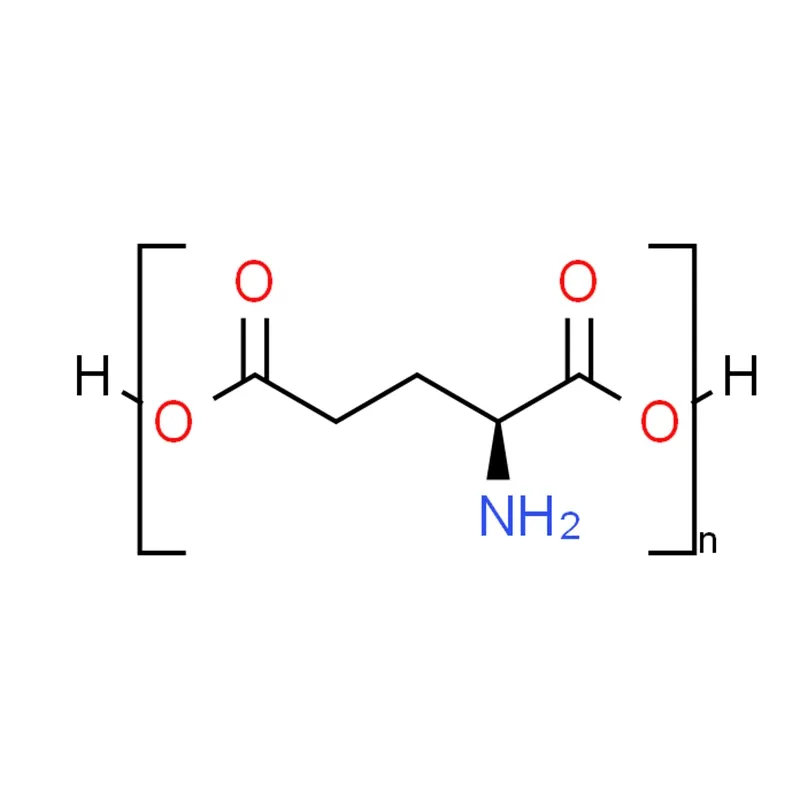
Product Details Polyglutamic acid (PGA) is a naturally existing biopolymer synthesized by Bacillus species, consisting of both D and L-glutamic acid residues. It is an anionic, water-soluble, biodegradable, and non-toxic material with a viscous consistency. This edible polyamino acid offers a broad
Product Details Neomycin sulfate is an aminoglycoside antibiotic and a calcium channel protein inhibitor. It binds to prokaryotic ribosomes, inhibiting protein translation, and is effective against both gram-positive and gram-negative bacteria. Additionally, it inhibits PLC (Phospholipase C) by bind
Indole butyric acid (IBA) is a broad spectrum indole class plant growth regulator, widely recognized for its powerful root inducing activity. It effectively promotes root generation and growth in cuttings of both herbaceous and woody ornamental plant species. Furthermore, it can be applied to improv
4-Fluorobenzaldehyde (CAS 459-57-4) is a high-value organic synthetic intermediate. It is normally a colorless to pale yellow liquid with a characteristic aromatic scent. Possessing the typical chemical behavior of aldehydes, it can undergo oxidation, reduction, condensation, and other common organi
Product Details Indole-3-butyric acid is an indole-3-yl carboxylic acid, where butanoic acid is attached to a 1H-indol-3-yl group at the first position. It acts as a plant hormone, auxin, and plant metabolite. This compound is derived from butyric acid and is the conjugate acid of indole-3-butyrate.
Product Details 3-Indoleacetic acid is a powerful growth stimulant for lower plants, naturally generated by multiple fungi such as yeast and extracted from strains including Aspergillus niger and Rhizopus species. It enjoys extensive application in both horticulture and industrial sectors. Indole-3-
Product Details 4-Aminobutyric acid is utilized in both biochemical research and clinical medicine, particularly in treating conditions linked to hepatic coma and cerebrovascular disorders. As a pharmaceutical intermediate, it aids in lowering blood lipids, which makes it effective for the treatment
Product Details Ethyl hexanediol is not irritating to human skin but may cause chemical conjunctivitis. It serves as a standard repellent for chiggers, mosquitoes, black flies, and other biting insects. When combined with dimethyl phthalate and indalone, this mixture becomes more effective in repell
Product Details Polysuccinimide (CAS No. 5608-40-6) is usually provided as a white or off-white powder. It is insoluble in common organic solvents like water, ethanol, and acetone, but it can partially dissolve or swell when exposed to stronger polar solvents such as dimethyl sulfoxide (DMSO) and N-
Product Details Calcium oxide (CaO, CAS No. 1305-78-8), commonly known as lime, quicklime, burnt lime, or calx, does not occur naturally. This is because it readily combines with water to form hydrated lime and with carbon dioxide to produce limestone. It is produced by calcining calcium carbonate-c
Product Details Polyglutamic acid (PGA) is a naturally existing biopolymer synthesized by Bacillus species, consisting of both D and L-glutamic acid residues. It is an anionic, water-soluble, biodegradable, and non-toxic material with a viscous consistency. This edible polyamino acid offers a broad