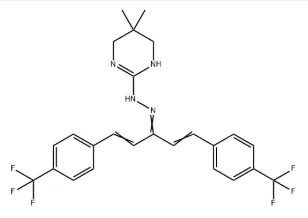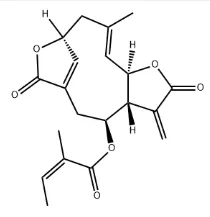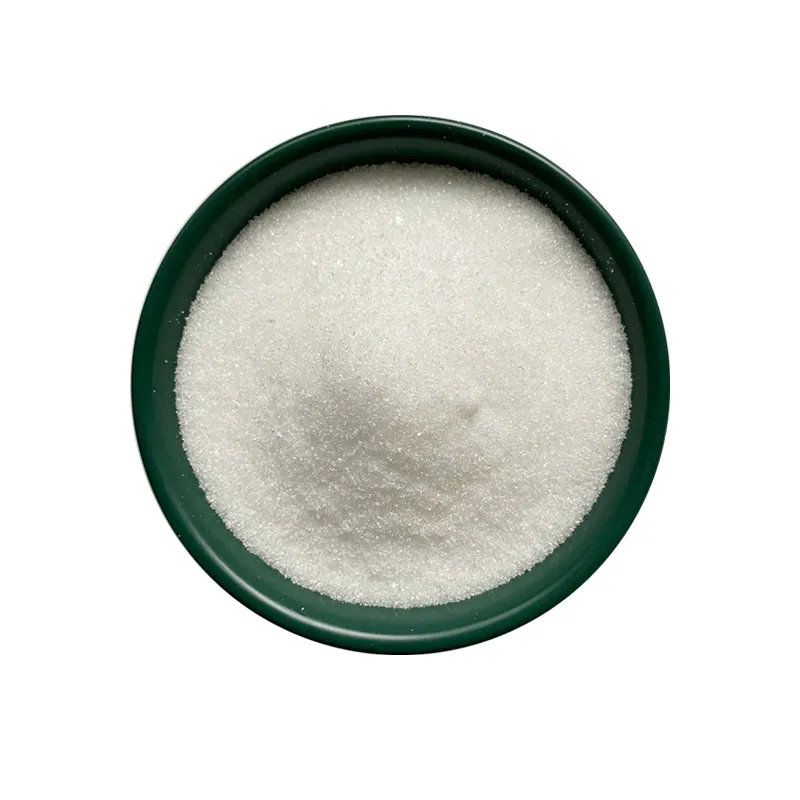
Our Prilled Potassium Hydroxide (CAS: 1310-58-3) is a high-purity industrial inorganic alkali product, professionally refined and manufactured for high-standard industrial scenarios such as precision electroplating and non-ferrous metallurgy. Adopting advanced high-temperature closed spray prilling
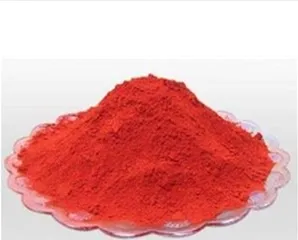
Product Name: Beet Red CAS Number: 7659‑95‑2 Beet Red is a natural water‑soluble red‑purple colourant extracted from edible red beet roots. It commonly presents in multiple commercial physical forms, including red‑purple to dark‑purple liquid, solid blocks, fine powder, and thick paste. In terms of
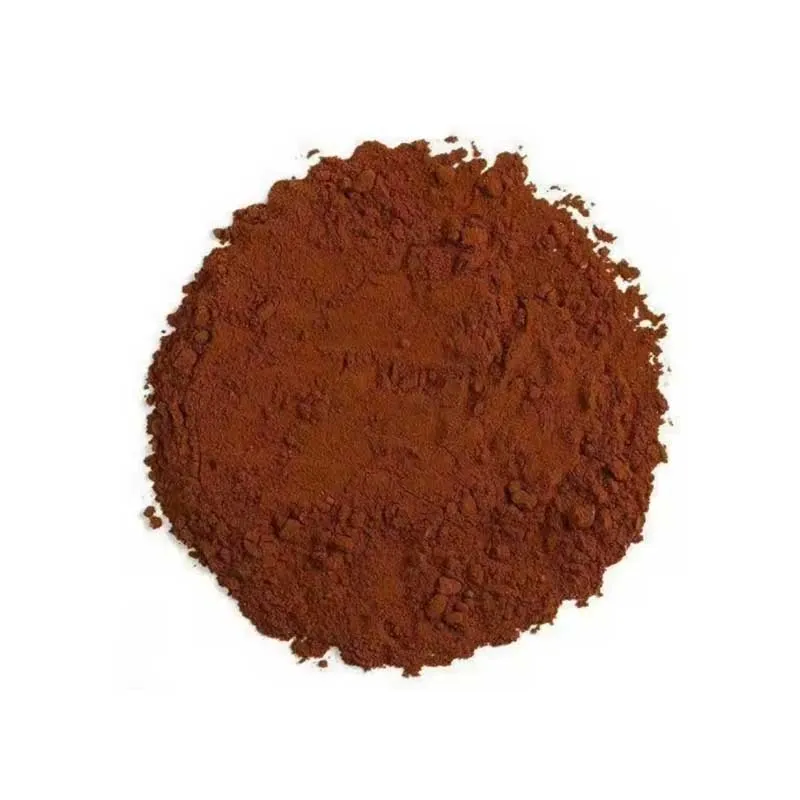
Grape Seed Extract is a premium botanical raw material extracted from the seeds of grapes. In traditional herbal theories, grape seeds are recognized to benefit qi and blood circulation, strengthen bones and tendons, promote diuresis, and help relieve symptoms including qi and blood deficiency, lung
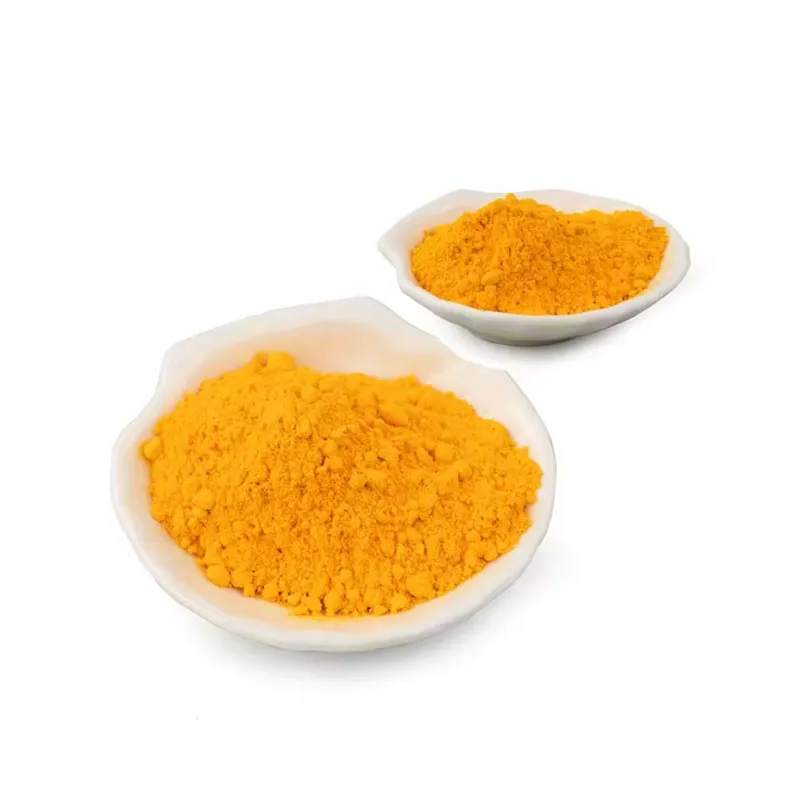
Gardenia yellow is a natural edible pigment extracted and refined from the ripe fruits of Gardenia jasminoides. Classified as a carotenoid-type natural colorant, its main colouring constituents are crocin and crocetin (note: not anthocyanin). The product exists in multiple physical forms to satisfy
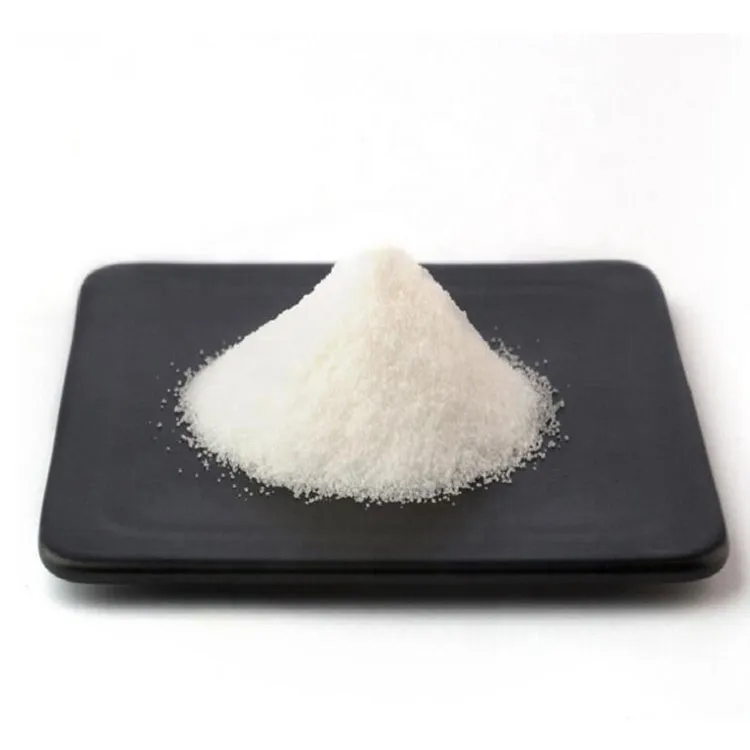
Carrageenan, CAS Number 9000-07-1, also named sodium carrageenan, is a natural hydrophilic plant colloid extracted from species of red seaweed (Rhodophyceae). It ranks among the world’s three major seaweed-derived hydrocolloid industrial products, together with alginate and agar. Raw red algae is su
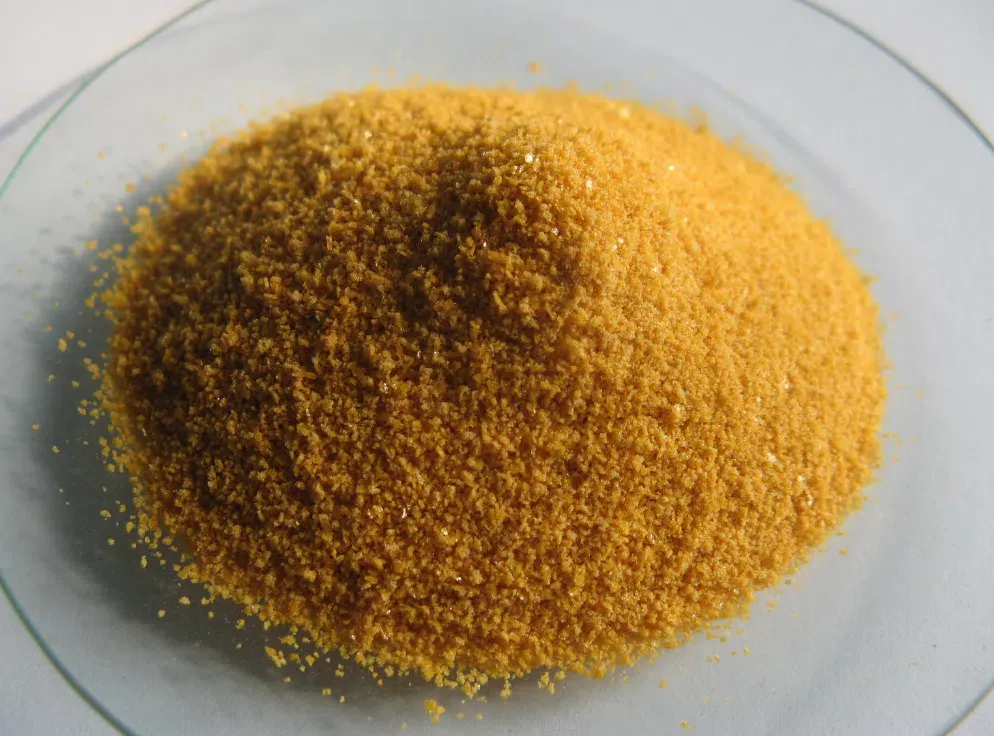
GALL CAS#8008-63-7 Ox bile extract, also referred to as purified oxgall and sodium choleate, is produced through the evaporation of alcoholic extracts derived from concentrated bovine bile. It constitutes a complex natural mixture containing variable proportions of bile acid salts, lipid fractions i
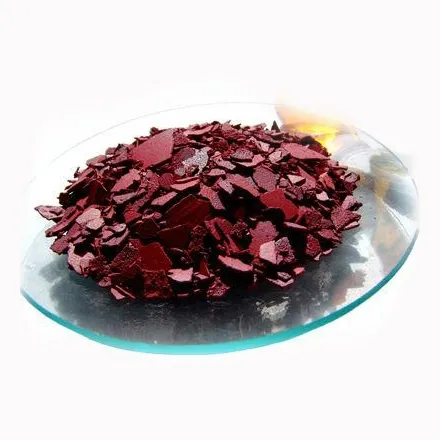
Shellac CAS#9000-59-3 Shellac is a natural bio-based resin secreted by lac insects, harvested and refined to produce commercial grades for multiple industrial applications. It is available in a variety of colors ranging from pale light yellow to deep dark red, presented as hard, brittle resin flakes
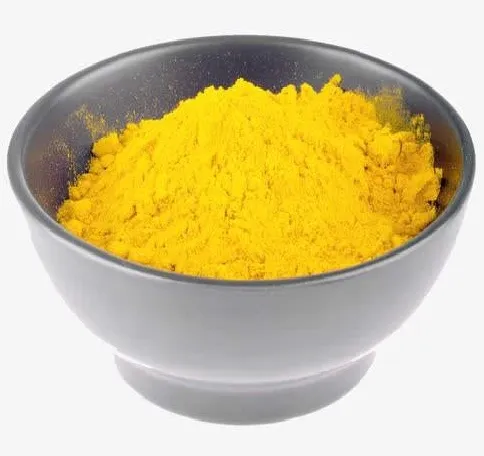
Pectin (CAS#9000-69-5) is a natural, water-soluble polysaccharide extensively extracted and refined from fresh apple pomace, featuring stable molecular structure and excellent functional properties. As a core natural food additive, this product is highly rich in galacturonic acid, which serves as th
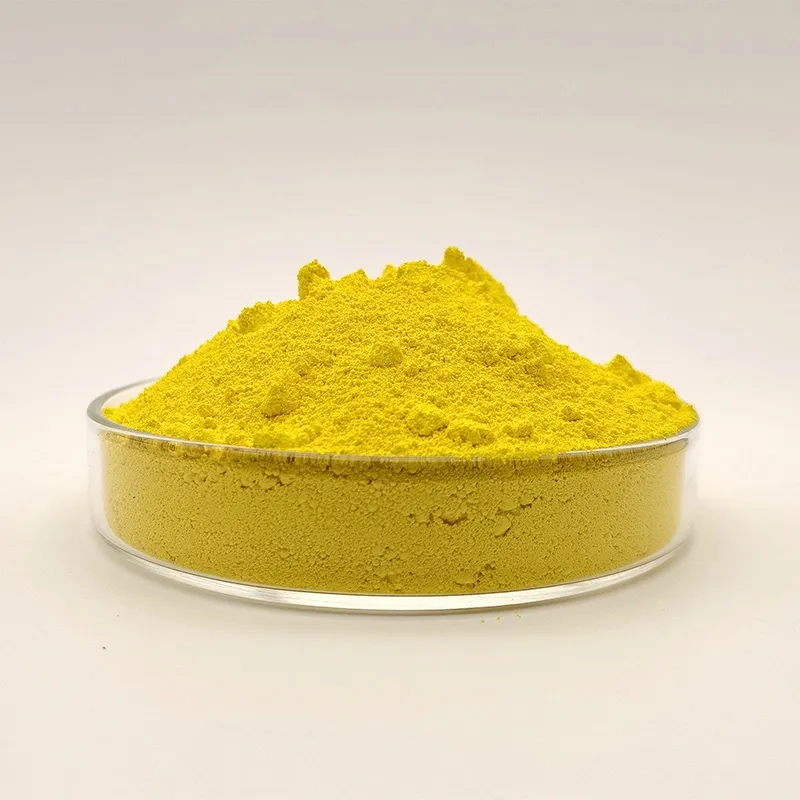
Casein, CAS#9000‑71‑9, is a high‑molecular‑weight phosphoprotein isolated from bovine milk. In its natural state, casein self‑assembles into three‑dimensional colloidal supramolecular micelles, presenting stable colloidal dispersion characteristics within aqueous systems. Four primary genetic varian
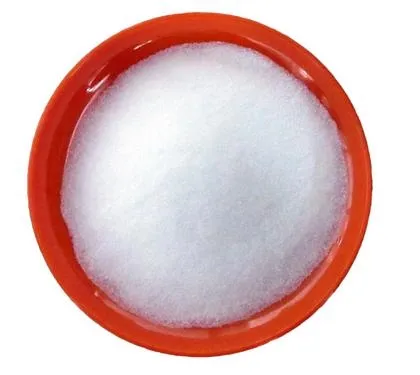
Ammonium Alginate, CAS#9005‑34‑9, is a natural‑derived hydrocolloid gum, namely the ammonium salt of alginic acid extracted from brown seaweed. As a water‑soluble polysaccharide, it dissolves readily in cold water without heating requirement to produce highly viscous, uniform aqueous solutions, whil
Our Prilled Potassium Hydroxide (CAS: 1310-58-3) is a high-purity industrial inorganic alkali product, professionally refined and manufactured for high-standard industrial scenarios such as precision electroplating and non-ferrous metallurgy. Adopting advanced high-temperature closed spray prilling
Product Name: Beet Red CAS Number: 7659‑95‑2 Beet Red is a natural water‑soluble red‑purple colourant extracted from edible red beet roots. It commonly presents in multiple commercial physical forms, including red‑purple to dark‑purple liquid, solid blocks, fine powder, and thick paste. In terms of
Grape Seed Extract is a premium botanical raw material extracted from the seeds of grapes. In traditional herbal theories, grape seeds are recognized to benefit qi and blood circulation, strengthen bones and tendons, promote diuresis, and help relieve symptoms including qi and blood deficiency, lung
Gardenia yellow is a natural edible pigment extracted and refined from the ripe fruits of Gardenia jasminoides. Classified as a carotenoid-type natural colorant, its main colouring constituents are crocin and crocetin (note: not anthocyanin). The product exists in multiple physical forms to satisfy
Carrageenan, CAS Number 9000-07-1, also named sodium carrageenan, is a natural hydrophilic plant colloid extracted from species of red seaweed (Rhodophyceae). It ranks among the world’s three major seaweed-derived hydrocolloid industrial products, together with alginate and agar. Raw red algae is su
GALL CAS#8008-63-7 Ox bile extract, also referred to as purified oxgall and sodium choleate, is produced through the evaporation of alcoholic extracts derived from concentrated bovine bile. It constitutes a complex natural mixture containing variable proportions of bile acid salts, lipid fractions i
Shellac CAS#9000-59-3 Shellac is a natural bio-based resin secreted by lac insects, harvested and refined to produce commercial grades for multiple industrial applications. It is available in a variety of colors ranging from pale light yellow to deep dark red, presented as hard, brittle resin flakes
Pectin (CAS#9000-69-5) is a natural, water-soluble polysaccharide extensively extracted and refined from fresh apple pomace, featuring stable molecular structure and excellent functional properties. As a core natural food additive, this product is highly rich in galacturonic acid, which serves as th
Casein, CAS#9000‑71‑9, is a high‑molecular‑weight phosphoprotein isolated from bovine milk. In its natural state, casein self‑assembles into three‑dimensional colloidal supramolecular micelles, presenting stable colloidal dispersion characteristics within aqueous systems. Four primary genetic varian
Ammonium Alginate, CAS#9005‑34‑9, is a natural‑derived hydrocolloid gum, namely the ammonium salt of alginic acid extracted from brown seaweed. As a water‑soluble polysaccharide, it dissolves readily in cold water without heating requirement to produce highly viscous, uniform aqueous solutions, whil