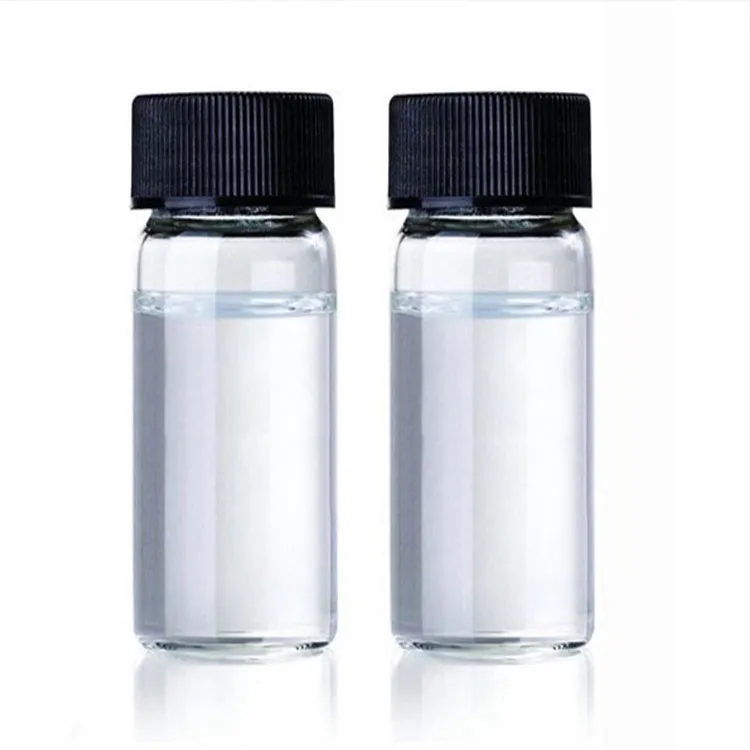
Deuterated chloroform (CDCl₃), also known as chloroform-d, stands as one of the most widely adopted and reliable deuterated solvents for laboratory analytical work, serving as an excellent everyday solvent choice for scientists who demand exceptional and reproducible experimental results. Commonly u
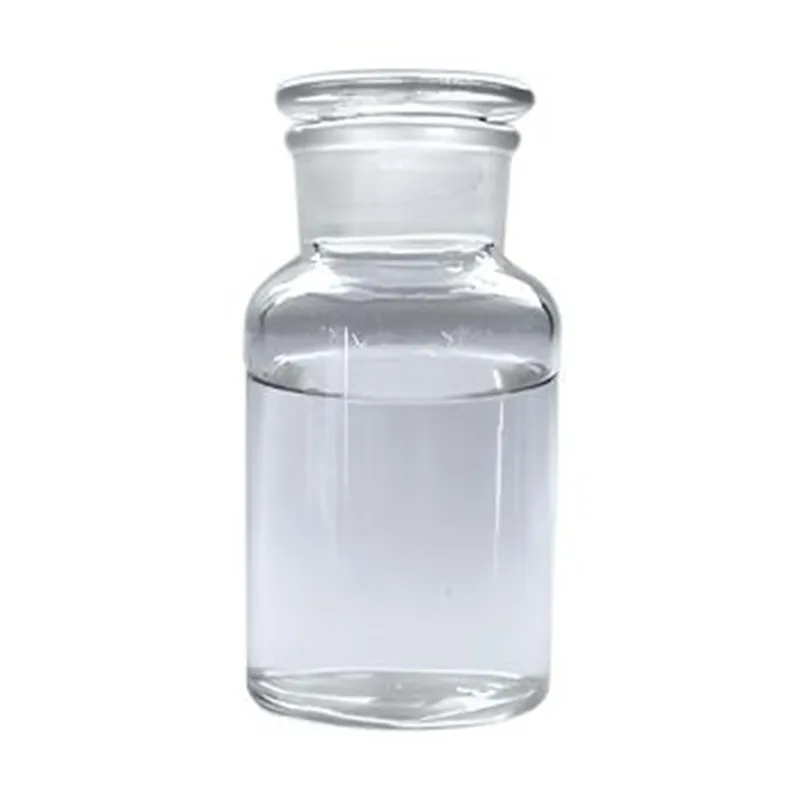
Dimethyl sulfoxide-d6 is a sulfur-containing deuterated compound with the molecular formula (CD₃)₂SO. It is a colorless, nearly odorless transparent liquid at room temperature, featuring a freezing point of 18.45°C and a boiling point of 189°C. It carries a faint bitter taste and possesses excellent
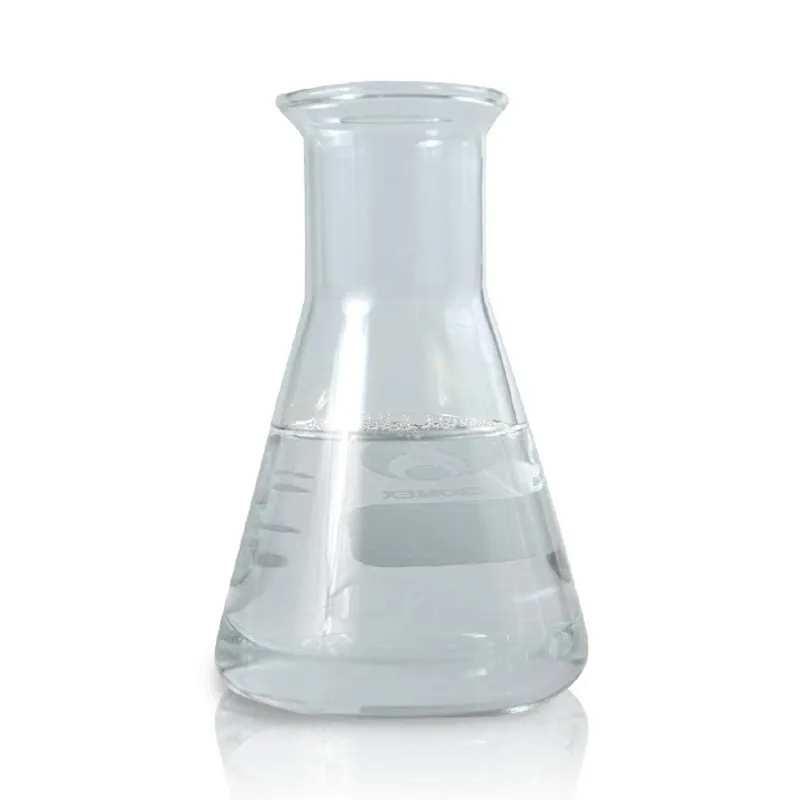
IODOMETHANE-D3 (CD₃I) is a premium deuterated methylation reagent for pharmaceutical R&D, isotope labeling and organic synthesis. ✅ High Isotopic & Chemical Purity Deuteration degree ≥99.5 atom % D with chemical purity ≥99.0%. Low isotopic impurity ensures stable M+3 mass shift in mass spectrometry
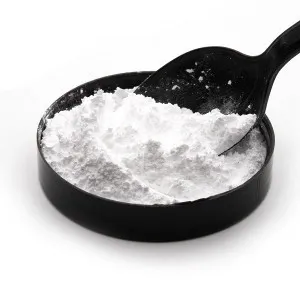
2-Mercapto-5-methoxybenzimidazole is a versatile heterocyclic fine chemical intermediate widely adopted in pharmaceutical synthesis. It is used in the preparation of COX-2 inhibitors for anti-inflammatory drug development. It is also employed in the synthesis of multiple high-value benzimidazole der
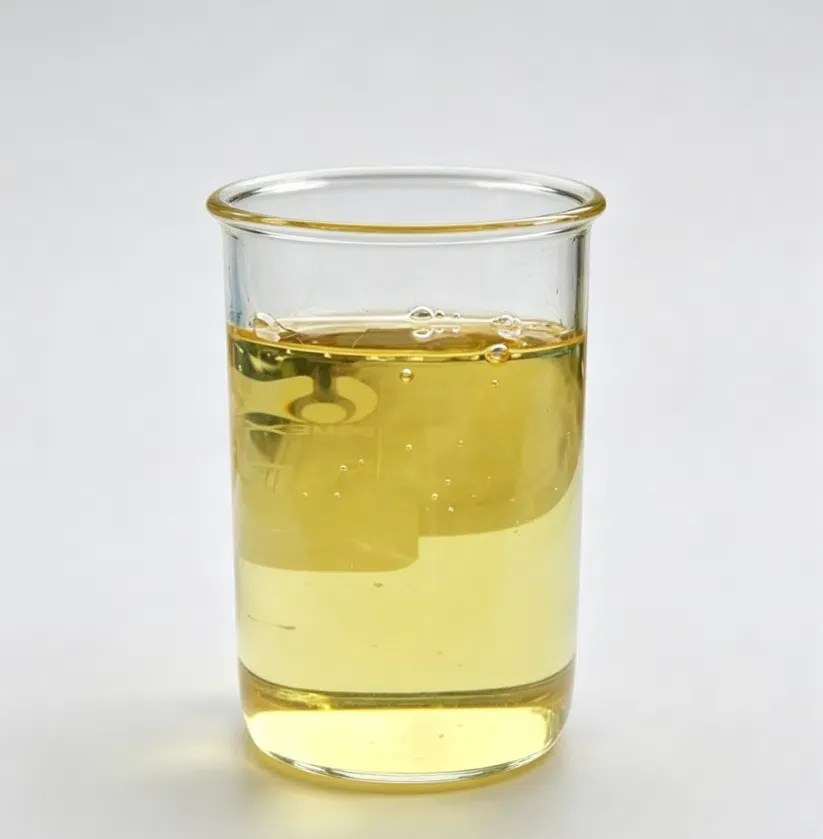
2-Phosphonobutane-1,2,4-tricarboxylic acid (PBTC) | CAS: 37971-36-1 2-Phosphonobutane-1,2,4-tricarboxylic acid (PBTC) is a high-efficiency, environmentally friendly and internationally upgraded phosphine carboxylic acid water treatment chemical. As a mainstream and high-performance scale and corrosi
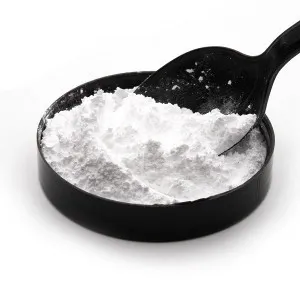
Imidazolidinyl Urea (CAS 39236-46-9) is a high-efficiency, non-aromatic, polar and hydrophilic antimicrobial preservative widely formulated in personal care, cosmetic and topical pharmaceutical products. Featuring excellent water solubility and stable chemical properties, this synthetic urea-based c
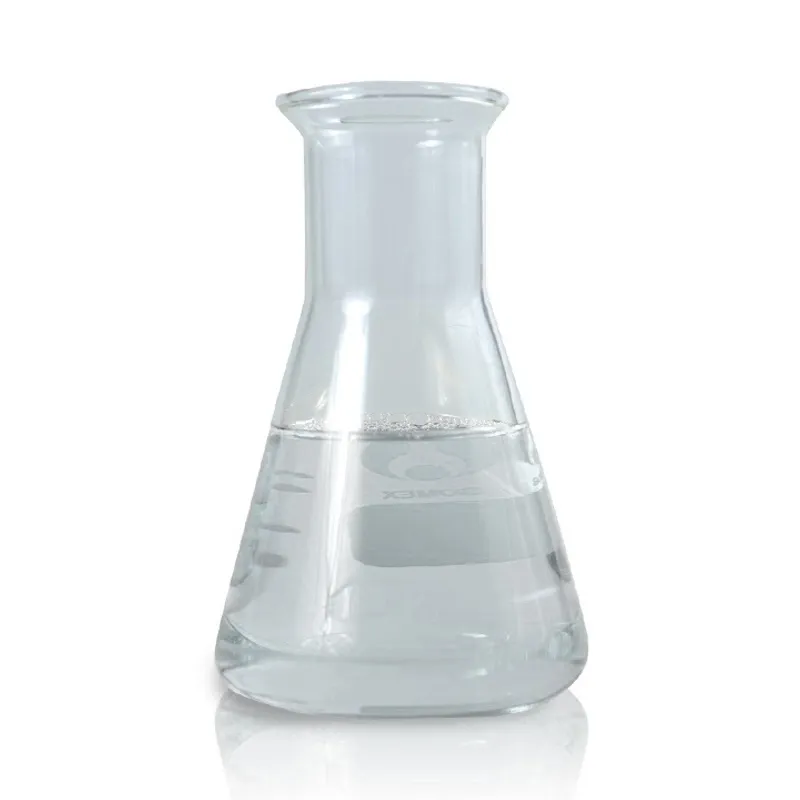
3,4-Dimethoxythiophene (DMOT) is a high-value thiophene monomer and key synthetic precursor. It can be synthesized by ring closure reaction of 2,3-dimethoxy-1,3-butadiene and sulfur dichloride in hexane medium. As an electron-rich oligothiophene derivative, the two methoxy substituents on the thioph
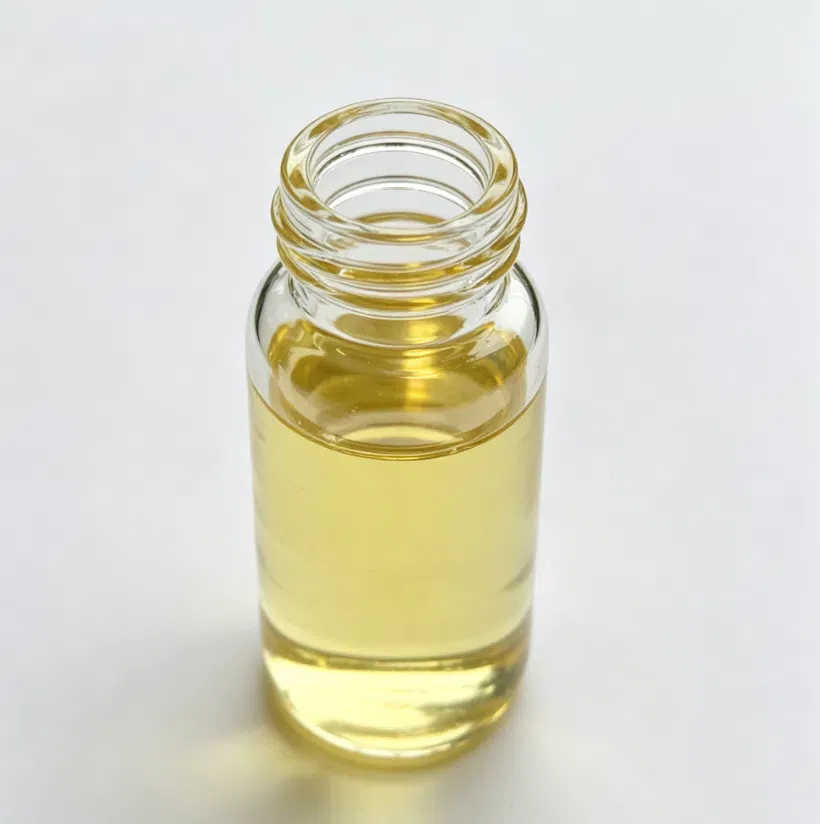
Cocamidopropyl betaine (CAPB, CAS#61789-40-0) is a widely used amphoteric surfactant. The unique performance of amphoteric surfactants originates from their zwitterionic character, which means a single molecule carries both anionic and cationic functional groups. Thanks to this zwitterionic structur
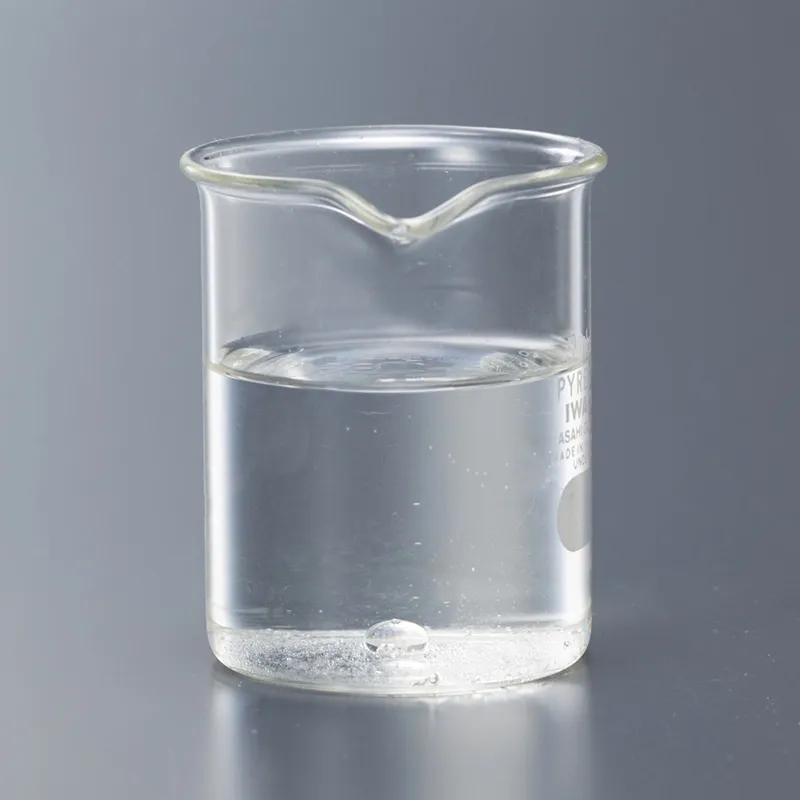
Benzene-d6 (CAS 1076-43-3), also known as perdeuterated benzene or hexadeuterobenzene, is a high-purity deuterated aromatic solvent with the molecular formula C₆D₆. In this compound, all six hydrogen atoms of the benzene ring are fully replaced by deuterium, delivering ultra-low background interfere
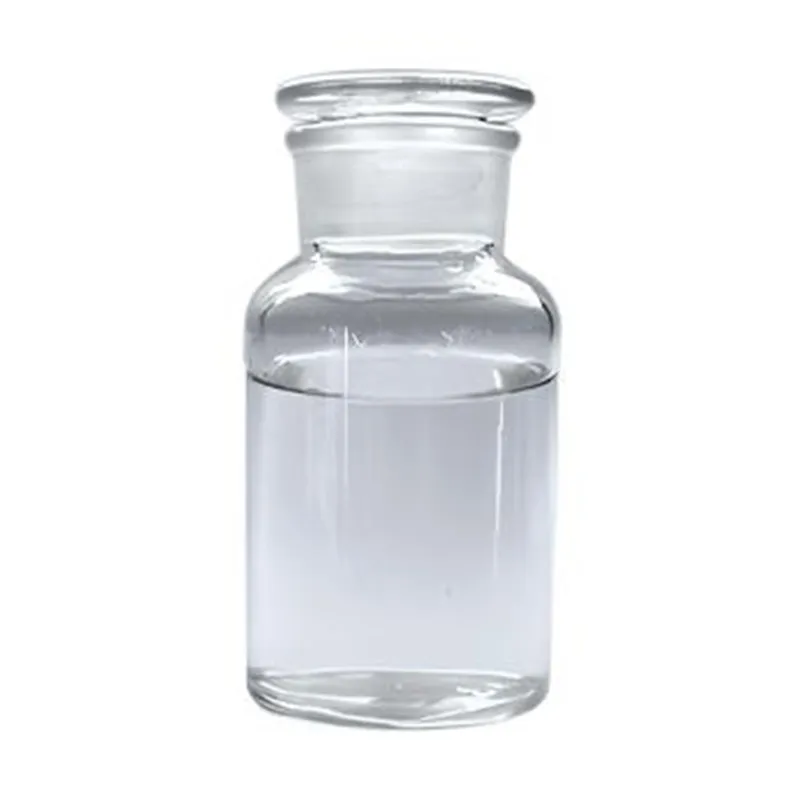
Acetone-d6 (CAS 666-52-4) is a high-purity deuterated solvent in which all six hydrogen atoms of the acetone molecule are fully substituted with deuterium. It is professionally formulated for high-precision NMR spectroscopic analysis, featuring an ultra-high deuteration degree ranging from 99.8% to
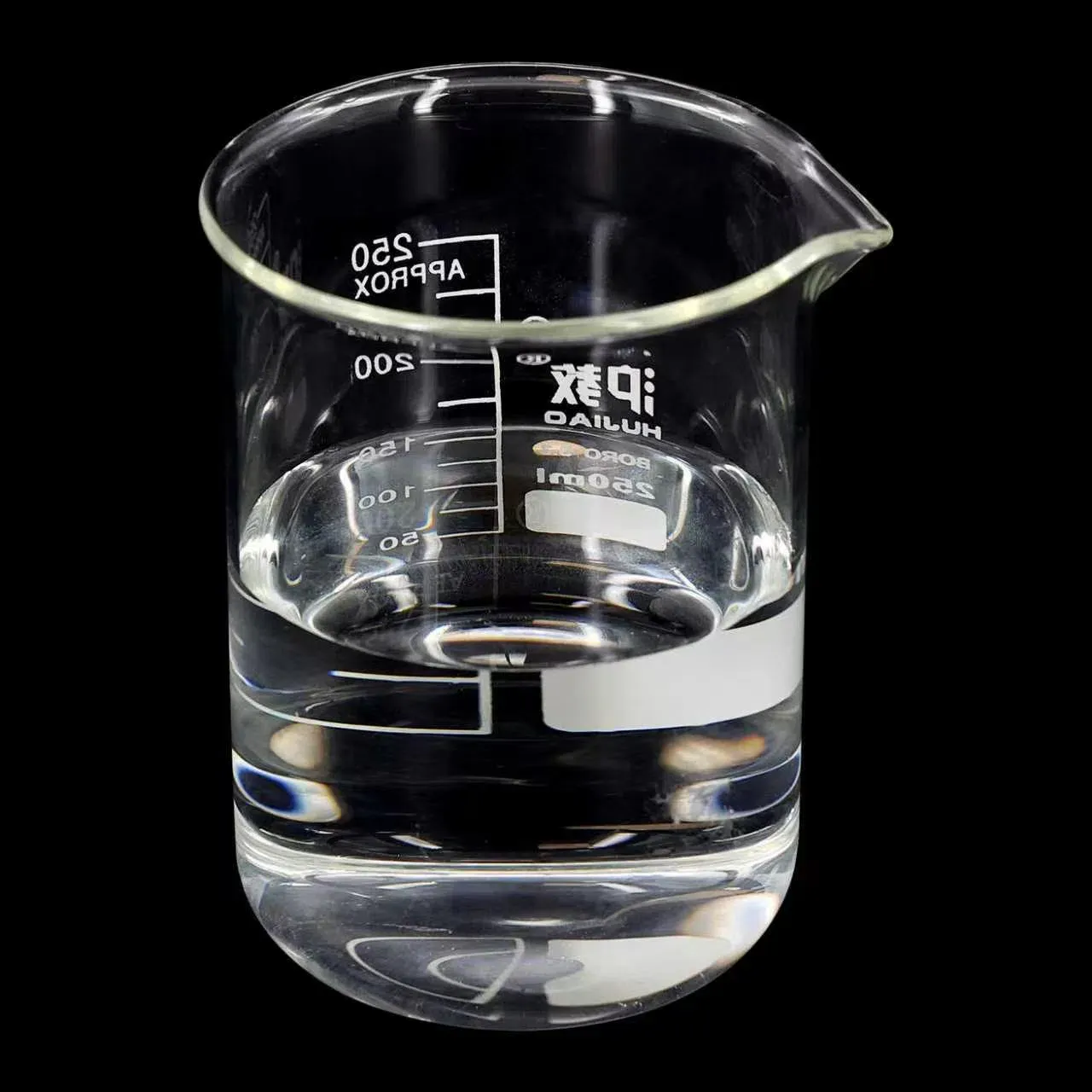
Acetonitrile-d3 | CAS#2206-26-0 Acetonitrile-d3, also known as Trideuteroacetonitrile, CD₃CN or Deuterated Acetonitrile, is a high-purity deuterated solvent specially formulated for NMR (Nuclear Magnetic Resonance) analysis, with an isotopic purity of 99 atom % D. It is widely adopted for both ¹H NM
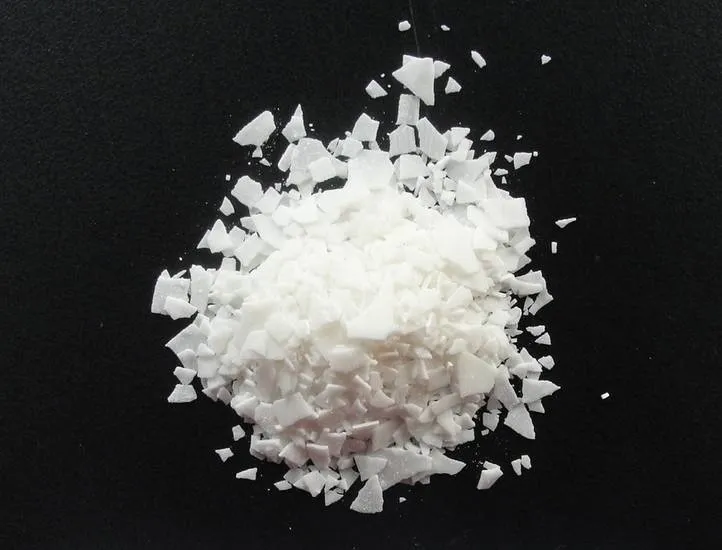
Product Overview CREMOPHOR (R) A25, also well-known as Eumulgin B 25, is a high-performance non-ionic ethoxylated fatty alcohol emulsifier specially developed for cosmetic, personal care and fine chemical formulations. Featuring a unique amphiphilic molecular structure with lipophilic long-chain alk
Deuterated chloroform (CDCl₃), also known as chloroform-d, stands as one of the most widely adopted and reliable deuterated solvents for laboratory analytical work, serving as an excellent everyday solvent choice for scientists who demand exceptional and reproducible experimental results. Commonly u
Dimethyl sulfoxide-d6 is a sulfur-containing deuterated compound with the molecular formula (CD₃)₂SO. It is a colorless, nearly odorless transparent liquid at room temperature, featuring a freezing point of 18.45°C and a boiling point of 189°C. It carries a faint bitter taste and possesses excellent
IODOMETHANE-D3 (CD₃I) is a premium deuterated methylation reagent for pharmaceutical R&D, isotope labeling and organic synthesis. ✅ High Isotopic & Chemical Purity Deuteration degree ≥99.5 atom % D with chemical purity ≥99.0%. Low isotopic impurity ensures stable M+3 mass shift in mass spectrometry
2-Mercapto-5-methoxybenzimidazole is a versatile heterocyclic fine chemical intermediate widely adopted in pharmaceutical synthesis. It is used in the preparation of COX-2 inhibitors for anti-inflammatory drug development. It is also employed in the synthesis of multiple high-value benzimidazole der
2-Phosphonobutane-1,2,4-tricarboxylic acid (PBTC) | CAS: 37971-36-1 2-Phosphonobutane-1,2,4-tricarboxylic acid (PBTC) is a high-efficiency, environmentally friendly and internationally upgraded phosphine carboxylic acid water treatment chemical. As a mainstream and high-performance scale and corrosi
Imidazolidinyl Urea (CAS 39236-46-9) is a high-efficiency, non-aromatic, polar and hydrophilic antimicrobial preservative widely formulated in personal care, cosmetic and topical pharmaceutical products. Featuring excellent water solubility and stable chemical properties, this synthetic urea-based c
3,4-Dimethoxythiophene (DMOT) is a high-value thiophene monomer and key synthetic precursor. It can be synthesized by ring closure reaction of 2,3-dimethoxy-1,3-butadiene and sulfur dichloride in hexane medium. As an electron-rich oligothiophene derivative, the two methoxy substituents on the thioph
Cocamidopropyl betaine (CAPB, CAS#61789-40-0) is a widely used amphoteric surfactant. The unique performance of amphoteric surfactants originates from their zwitterionic character, which means a single molecule carries both anionic and cationic functional groups. Thanks to this zwitterionic structur
Benzene-d6 (CAS 1076-43-3), also known as perdeuterated benzene or hexadeuterobenzene, is a high-purity deuterated aromatic solvent with the molecular formula C₆D₆. In this compound, all six hydrogen atoms of the benzene ring are fully replaced by deuterium, delivering ultra-low background interfere
Acetone-d6 (CAS 666-52-4) is a high-purity deuterated solvent in which all six hydrogen atoms of the acetone molecule are fully substituted with deuterium. It is professionally formulated for high-precision NMR spectroscopic analysis, featuring an ultra-high deuteration degree ranging from 99.8% to
Acetonitrile-d3 | CAS#2206-26-0 Acetonitrile-d3, also known as Trideuteroacetonitrile, CD₃CN or Deuterated Acetonitrile, is a high-purity deuterated solvent specially formulated for NMR (Nuclear Magnetic Resonance) analysis, with an isotopic purity of 99 atom % D. It is widely adopted for both ¹H NM
Product Overview CREMOPHOR (R) A25, also well-known as Eumulgin B 25, is a high-performance non-ionic ethoxylated fatty alcohol emulsifier specially developed for cosmetic, personal care and fine chemical formulations. Featuring a unique amphiphilic molecular structure with lipophilic long-chain alk