![1,5,7-Triazabicyclo[4.4.0]dec-5-ene CAS#5807-14-7](https://tianjinxinming.cdn.aihuazhi.cn/250/2026_03_30_140250_png_27b7a2471e.webp)
1,5,7‑Triazabicyclo[4.4.0]dec‑5‑ene (TBD)|CAS# 5807‑14‑7
TBD is a typical bicyclic guanidine compound widely adopted across diverse organic‑chemistry workflows. Functioning as a high‑performance organocatalyst, it demonstrates remarkable performance for polymer synthesis, polymer chemical recycling, carbon dioxide utilization processes, as well as the preparation of various carboxylic acid derivatives.
Featuring nucleophilic nitrogen sites alongside electrophilic NH moieties within its molecular framework, TBD behaves as a versatile multi‑functional chemical reagent. It can act not only as a potent organic superbase, but also as an effective acyl‑transfer agent and hydrogen‑bonding activator to facilitate complex transformation pathways. It exhibits outstanding catalytic efficiency for Michael addition and other Michael‑class conjugate addition reactions.
This commercially accessible organocatalyst can also realize the fast preparation of 3‑hydroxyisoindolin‑1‑one compounds starting from 3‑alkylidenephthalide raw materials[1‑2]. Thanks to its dual activation mechanism, TBD enables relatively mild reaction conditions, helping to reduce harsh reagent requirements and improving conversion rates for many synthetic routes.
1,5,7-Triazabicyclo[4.4.0]dec-5-ene Chemical Properties |
Melting point | 125-130 °C(lit.) |
Boiling point | 222.3±23.0 °C(Predicted) |
density | 1.28±0.1 g/cm3(Predicted) |
storage temp. | under inert gas (nitrogen or Argon) at 2–8 °C |
solubility | toluene: soluble1 g/15 mL |
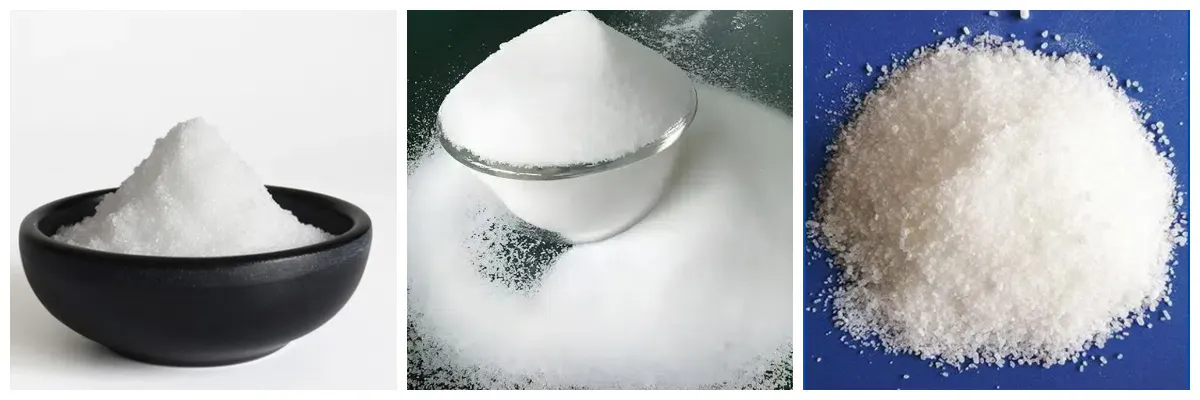
form | powder to crystal |
pka | 14.47±0.20(Predicted) |
color | White to Almost white |
Water Solubility | acetonitrile: soluble |
BRN | 3242 |
InChI | InChI=1S/C7H13N3/c1-3-8-7-9-4-2-6-10(7)5-1/h1-6H2,(H,8,9) |
InChIKey | FVKFHMNJTHKMRX-UHFFFAOYSA-N |
SMILES | C12=NCCCN1CCCN2 |
CAS DataBase Reference | 5807-14-7(CAS DataBase Reference) |
Safety Information |
Hazard Codes | C |
Risk Statements | 34 |
Safety Statements | 26-36/37/39-45-27 |
RIDADR | UN 1759 8/PG 2 |
WGK Germany | 3 |
F | 9-21-34 |
TSCA | TSCA listed |
HazardClass | 8 |
PackingGroup | III |
HS Code | 29335990 |
Storage Class | 8A - Combustible corrosive hazardous materials |
Hazard Classifications | Skin Corr. 1B |
1,5,7‑Triazabicyclo[4.4.0]dec‑5‑ene (TBD) serves as a high‑activity organocatalyst well‑suited to drive the aminolysis reaction of ester compounds, promoting efficient chemical transformation under comparatively mild reaction conditions.
This compound also works as an effective catalyst to facilitate the direct addition reaction between P(O)‑H functional groups and multiple activated alkene substrates. Applicable raw materials in this system cover dialkyl phosphites as well as diphenyl phosphonite, supporting the construction of organophosphorus structural fragments for fine‑chemical synthesis.
When immobilized onto polymer carriers to form polymer‑supported TBD (PTBD), this material can function both as a solid base and a chemical reagent scavenger. It is widely adopted for preparing aryl ether products via the reaction between phenol starting materials and alkyl halides or aryl halides; the supported form brings extra benefits for post‑reaction separation and catalyst recovery.
Supply & Lead Time
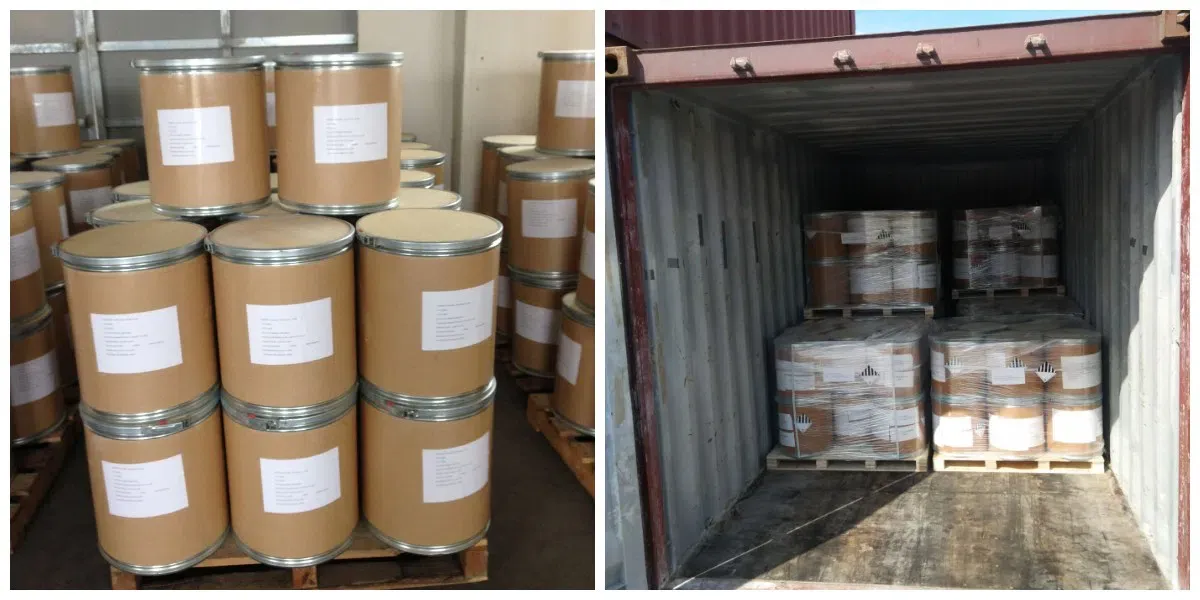
We provide flexible supply modes for this item. For goods from existing stock, shipment can be arranged within 2‑3 working days. For orders requiring fresh custom manufacturing, the production lead time will be 7‑10 working days.
Related product: Dimethyl fumarate CAS#624‑49‑7