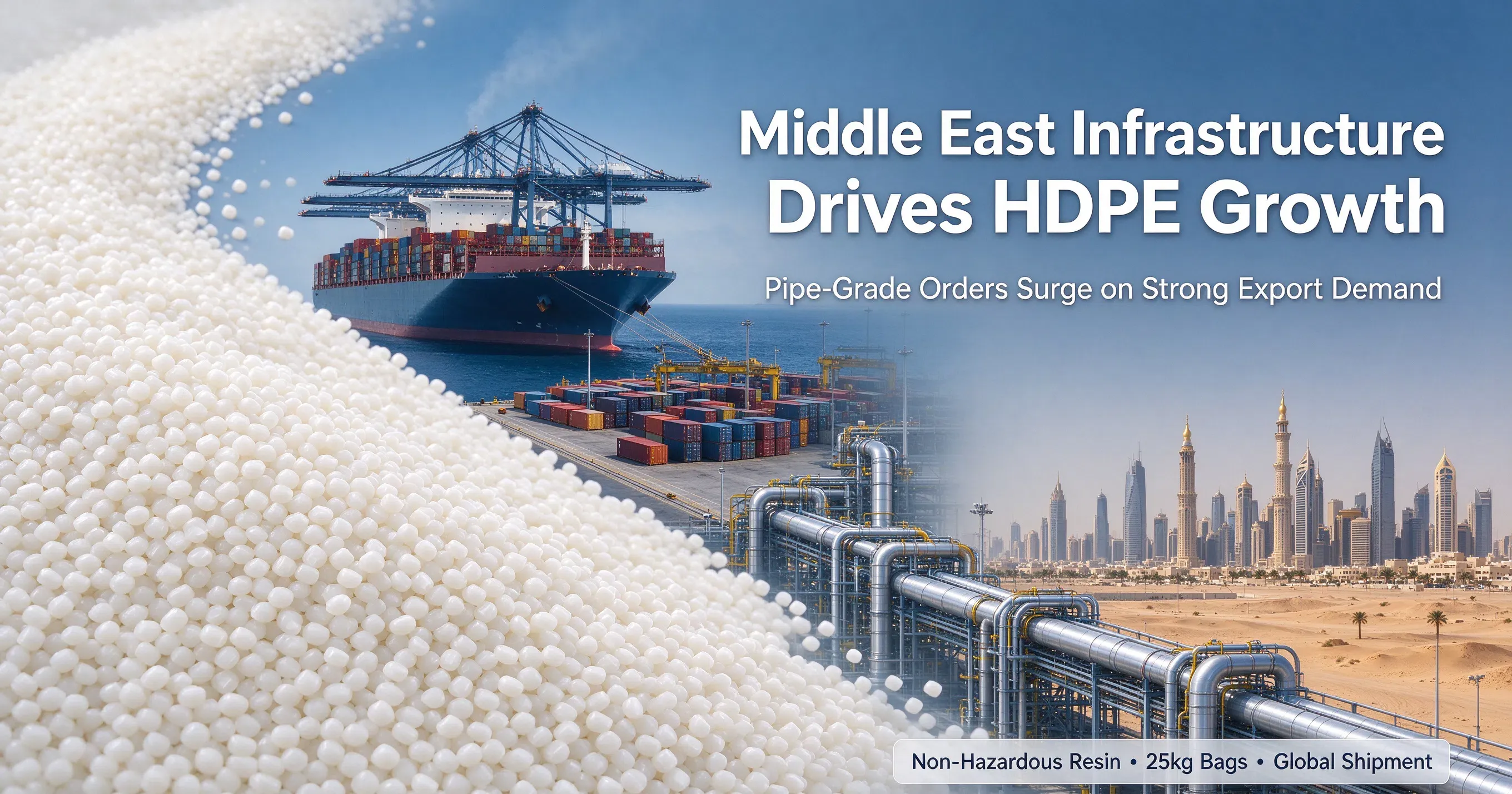
In recent periods, export orders for domestically produced High Density Polyethylene (HDPE) resin have maintained an active momentum. Export inquiries for pipe-grade, blow-molding and injection-molding grades have risen substantially. The Middle East and Southeast Asia stand out as core growth markets, with purchasing demand from engineering customers in industrial zones including Jubail, Saudi Arabia, registering a notable surge.
HDPE is classified as a non-hazardous chemical raw material, featuring streamlined export formalities with no mandatory hazardous goods documentation. Benefiting from its outstanding corrosion resistance, anti-ageing performance and high toughness, HDPE is widely adopted in water supply and drainage pipelines, cable protection conduits, geomembranes, packaging drums and chemical containers. Its characteristics well satisfy the material demands of water supply renovation, municipal infrastructure, 5G communication pipeline networks and supporting facilities for seawater desalination projects across the Middle East. As infrastructure projects in Saudi Arabia forge ahead, local pipe manufacturers and engineering contractors keep replenishing inventories. Both sample orders and full-container shipments of PE100 bimodal pipe resin and weather-resistant modified HDPE have grown concurrently.
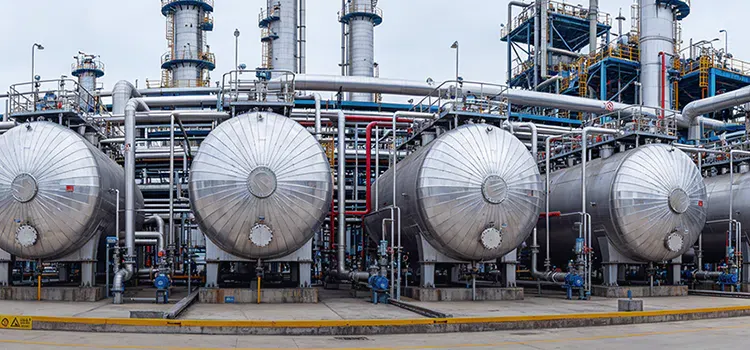
On the domestic supply side, China’s coal-to-olefin and oil-to-olefin plants operate at stable utilization rates, ensuring adequate inventory and a complete range of grades. Steady supplies are available for mainstream specifications such as extrusion pipe, blow molding, injection molding and film grades. Compared with competing regional supplies, Chinese HDPE offers strengths in lead time, custom trial orders and support for small-batch samples. Many overseas buyers prioritize sample validation and gradually shift their procurement sources.
Logistically, HDPE pellets are packed in 25kg bags. Shipment options include full-container sea freight and less-than-container load (LCL) services. Small-batch samples can also be delivered via consolidated air cargo on all-cargo freighters. Customs clearance documentation is straightforward, complying with import regulations of Saudi Arabia and other destination countries. Market analysts expect demand for pipe-grade HDPE to stay robust amid the concentrated rollout of water conservancy and municipal projects in the Middle East, while demand for blow-molding grades for daily chemical and food packaging will provide fundamental support to the market.
Industry note: Requirements for melt flow rate, environmental stress crack resistance and UV resistance vary greatly across different end applications. For export orders, grade specifications, test standards and destination certification requirements shall be confirmed in advance to ensure trouble-free delivery. In the long term, global pipeline renovation, water-saving irrigation projects and the popularization of recyclable packaging will continuously unlock new growth prospects for HDPE exports.