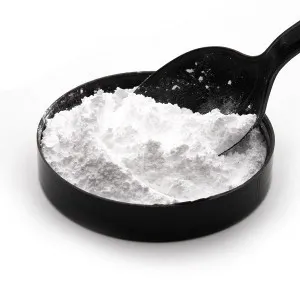
α-Glucosidase CAS#9001-42-7
It is available as a clear amber to dark brown liquid, or alternatively a white to pale tan powder. This enzyme system primarily consists of α-amylase (liquefying enzyme) and β-amylase (maltogenic enzyme).
α-Amylase preferentially cleaves α-1,4-glycosidic linkages within polysaccharides including starch and glycogen, breaking down substrates into dextrins, oligosaccharides and monosaccharides.
β-Amylase acts on the α-1,4-glycosidic bonds of starch, glycogen and similar polysaccharides, generating β-limit dextrin as the primary hydrolysate.
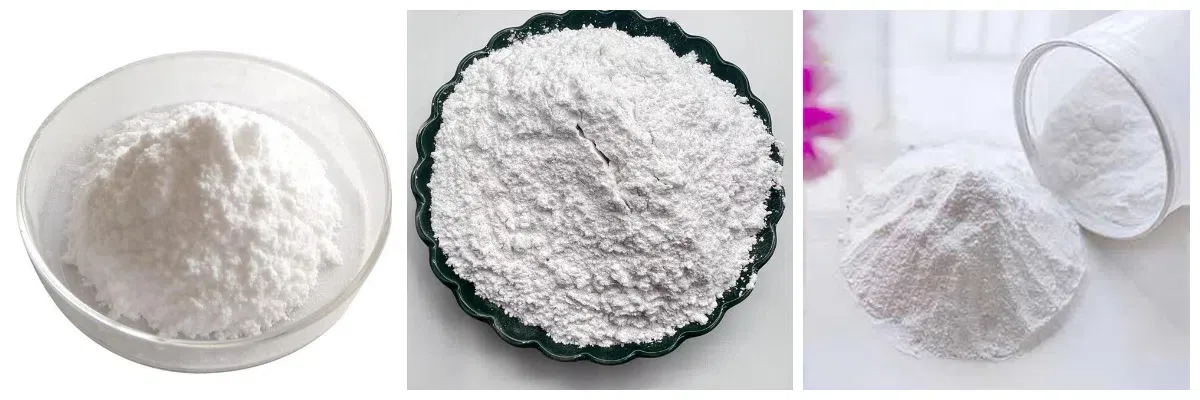
| α-Glucosidase Chemical Properties |
| Melting point | 154.3-155.3 °C |
| storage temp. | 2-8°C |
| form | powder |
| color | off-white |
| Specific Activity | 40-80units/mg protein |
| EPA Substance Registry System | Glucosidase, .alpha.- (9001-42-7) |
| Safety Information |
| Safety Statements | 22-24/25 |
| WGK Germany | 3 |
| F | 3-10-21 |
| TSCA | TSCA listed |
| HS Code | 3507909090 |
| Storage Class | 11 - Combustible Solids |
α-Glucosidase CAS#9001-42-7
Available as clarified amber to dark brown liquid or white to light tan powder. This enzyme mixture consists of core active components: α-amylase (liquefying enzyme) and β-amylase (maltogenic enzyme), which work synergistically to decompose polysaccharides.
α-Amylase hydrolyzes α-1,4-glycosidic bonds in starch, glycogen and other polysaccharides, producing dextrins, oligosaccharides and monosaccharides. β-Amylase targets α-1,4-glycosidic linkages on polysaccharide chains to form β-limit dextrin.
It possesses stable catalytic activity and favorable substrate adaptability, extensively used for lab biochemical studies, carbohydrate research, food fermentation and brewing processes. We implement rigorous activity detection to ensure uniform quality across batches. Full sets of certification documents are available for international trade.