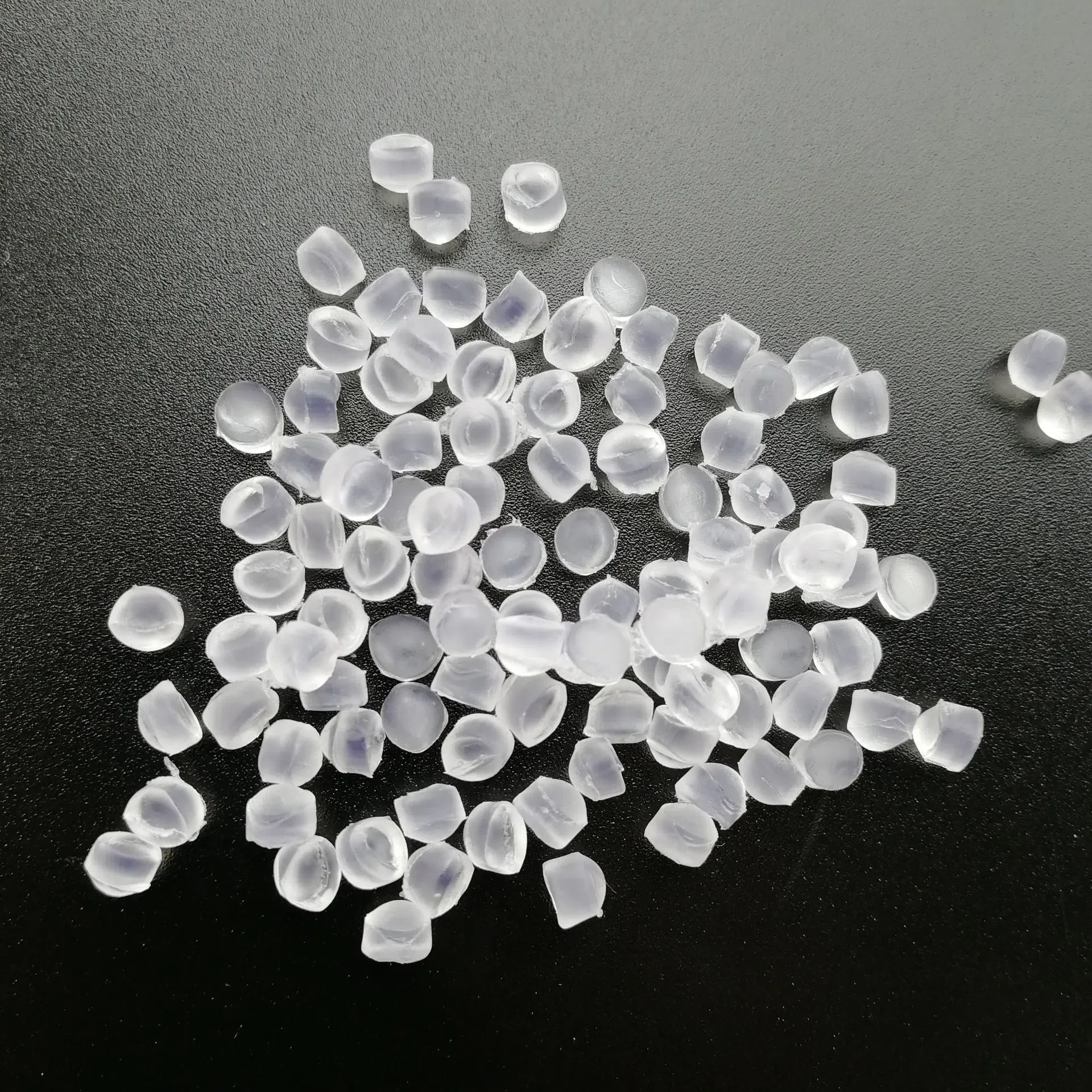
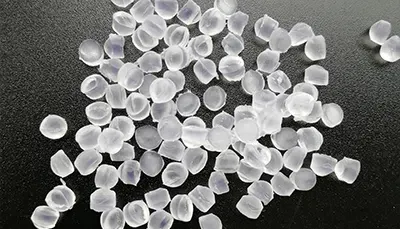
The global polyethylene (PE) market is facing a significant oversupply threat as China prepares to launch 4.2 million tonnes per annum (Mt/year) of new LLDPE capacity in the second half of 2026, according to industry analysts. PE, the most widely produced plastic globally, includes low-density (LDPE), linear low-density (LLDPE), and high-density (HDPE) grades, with applications spanning packaging, agriculture, construction, and consumer goods.
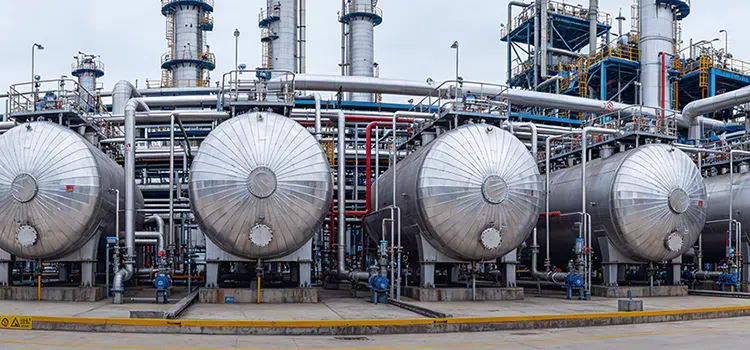
China’s PE capacity expansion is unprecedented. Over the past three years, China has added more than 10 Mt/year of PE capacity, driven by domestic demand growth and petrochemical industry self-sufficiency goals. The new wave of LLDPE capacity, scheduled to come online between July and December 2026, will primarily target film and packaging applications, which account for over 50% of China’s PE consumption. Key projects include a 1.2 Mt/year LLDPE unit in Guangdong and a 1.0 Mt/year plant in Zhejiang, both operated by major state-owned petrochemical companies.
The capacity surge has already impacted market fundamentals. In early May 2026, Chinese PE prices fell by 8% year-on-year, with LLDPE trading at USD 8,200–8,600 per tonne and HDPE at USD 8,800–9,200 per tonne. Import volumes remained high in Q2 2026, with Middle Eastern and Southeast Asian producers targeting China’s market with competitive pricing, further pressuring domestic prices. Agricultural film demand, a major PE end-use in China, slowed in Q2 2026 due to seasonal factors and reduced farmer spending, exacerbating the oversupply situation.
European and North American PE markets have mirrored China’s weakness. In Europe, PE demand fell by 4–5% in May 2026 as converters deferred purchases amid rising inventory levels and economic uncertainty. European PE producers have responded by cutting operating rates to 75–80% and implementing maintenance shutdowns to balance supply and demand. In North America, PE prices have remained stable but under pressure from cheap Chinese and Middle Eastern imports, with some producers warning of potential plant closures if oversupply persists.
Sustainability is becoming a critical factor in the PE market’s evolution. Chemical recycling technologies for PE and PP are gaining traction, with the global market projected to reach USD 3.0 billion by 2036, driven by regulatory recycled content mandates and brand sustainability commitments. In Europe, the EU’s Circular Economy Action Plan requires 30% recycled content in plastic packaging by 2030, creating strong demand for recycled PE (rPE). Bio-based PE, produced from sugarcane ethanol, is also expanding, though it remains a small niche due to high production costs.
Long-term demand growth for PE remains positive, driven by emerging markets, packaging innovation, and infrastructure development. However, the near-term oversupply—particularly from China—will likely keep prices under pressure through 2027. Producers worldwide are expected to rationalize capacity, focus on high-value specialty grades, and invest in recycling and bio-based technologies to maintain competitiveness. As the PE industry navigates this period of structural change, supply chain resilience and sustainability will be key determinants of success in the global market.