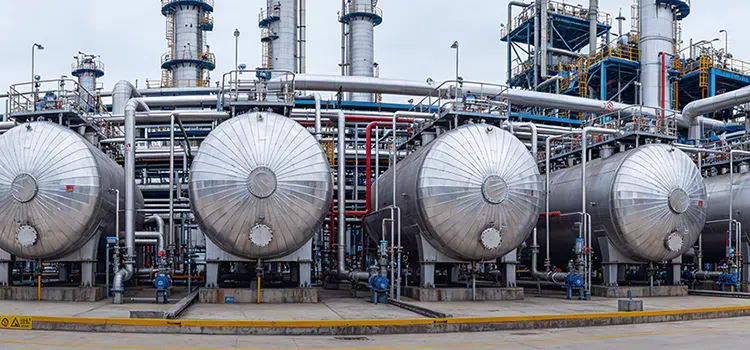
The global phosphoric acid market is gaining robust upward momentum, driven by booming lithium iron phosphate (LFP) capacity expansion worldwide, which reshapes the chemical’s traditional demand structure dominated by agrochemical usage. According to industrial statistics, the global phosphoric acid market reached USD 89.2 billion in 2025, and is expected to maintain a 6.3% CAGR from 2025 to 2030. For decades, over 60% of phosphoric acid was consumed for phosphate fertilizers with sluggish growth, yet surging new energy demand has reversed the market trend. In 2025, LFP-related consumption accounted for 31.5% of global phosphoric acid demand, and global LFP capacity expansion led by Chinese manufacturers keeps tightening upstream raw material procurement.
Global phosphoric acid supply remains tight amid concentrated production and policy constraints. The industry supply is mainly gathered in China, Morocco and Saudi Arabia, contributing over 78% of global refined output. Morocco’s OCP Group, a major European supplier, slows down capacity expansion due to limited phosphate rock reserves and stricter environmental rules. As the world’s top producer, China has tightened approval for new phosphorus chemical projects to cut carbon emissions, prioritizing high-purity product upgrading instead of blind capacity growth. Most domestic phosphoric acid is supplied to local battery material factories, cutting down global export supply and enlarging international supply gaps.
Regional price divergence has intensified since early 2026 across global markets. International industrial-grade phosphoric acid prices dipped slightly in Q1 on temporary production resumption in China, but rebounded sharply in Q2 and Q3 as battery producers stocked up materials ahead of production peaks. A widening price gap has appeared between regular industrial-grade and battery-grade phosphoric acid, because high-purity products require strict manufacturing certification and face insufficient output. In Europe, shrinking local phosphoric acid output under rigid carbon regulations forces downstream manufacturers to raise overseas imports, pushing up regional procurement costs continuously.
Looking ahead, the phosphoric acid market will witness obvious structural differentiation in the next few years. Conventional fertilizer-grade phosphoric acid will face oversupply risks with limited price growth, dragged by weak agricultural consumption. By contrast, battery-grade and electronic-grade phosphoric acid will stay short-supplied, bringing high profit margins for chemical producers. Leading phosphorus chemical firms are accelerating industrial chain integration to stabilize raw material supply, while expanding high-end product lines to hedge market risks. With the global energy transition advancing, phosphoric acid is evolving from a basic farm chemical into a critical new-energy raw material, securing long-term growth prospects worldwide.