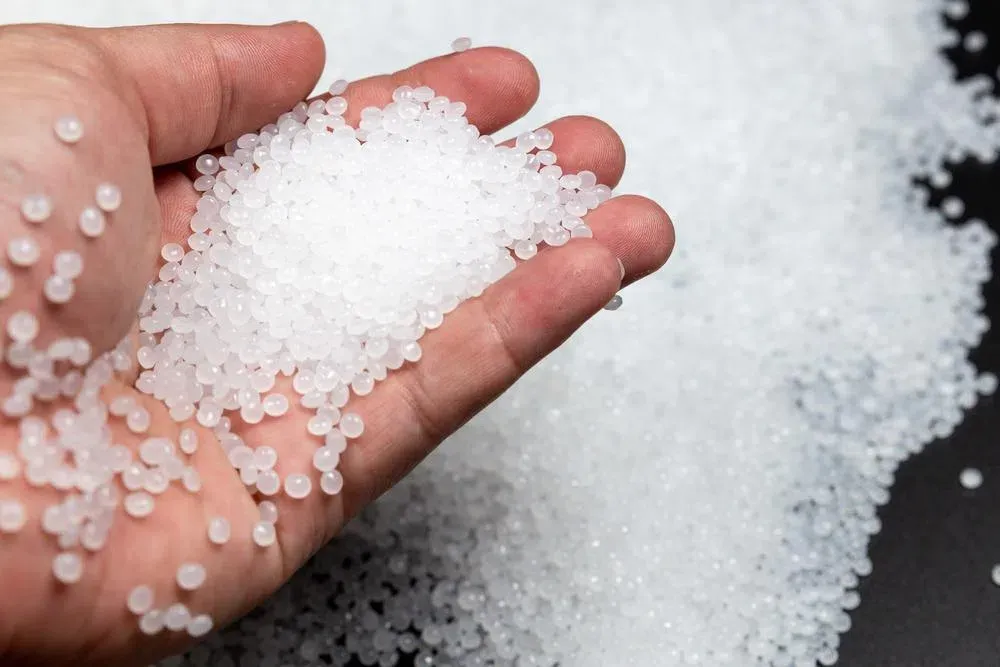
The European polypropylene (PP) market suffered a sharp demand collapse in May 2026, with distributors and converters reporting widespread market inactivity amid rising inventory levels, falling spot prices, and weak industrial sentiment. PP, a versatile thermoplastic polymer derived from propylene monomer, is widely used in packaging, automotive, household goods, and industrial fibers, with Europe accounting for approximately 18% of global PP consumption.
In May 2026, European PP spot prices fell by 7.5% month-on-month, reaching EUR 1,120–1,180 per tonne for injection-molding grade, as buyers adopted hand-to-mouth purchasing strategies amid expectations of further price declines. Stretch film producers, a major PP end-use sector, operated at only 50% capacity, while blow film lines ran at 80–85% due to sluggish demand from food packaging and agricultural sectors. Distributors reported rejecting up to 2,000 tonnes of EU-sourced PP cargoes in May, as converters prioritized destocking over new purchases.
The demand downturn reflects multiple headwinds. Industrial activity across the Eurozone slowed significantly in Q2 2026, with manufacturing PMI falling to 45.8 in May, indicating contraction. High inflation and rising interest rates have suppressed consumer spending, reducing demand for PP-based consumer goods, packaging, and automotive components. The automotive sector, a key PP consumer (accounting for ~15% of European PP demand), faced production cuts amid weak vehicle sales and supply chain disruptions.
Supply pressure has compounded the weakness. European PP production remained high in Q2 2026, with most plants operating at 85–90% capacity, leading to inventory builds across the supply chain. Meanwhile, imports from Asia and the Middle East remained competitive, with Asian PP cargoes offered at EUR 80–120 per tonne below European domestic prices, further pressuring local producers.
Despite the European slump, global PP demand remains resilient in key regions. Asia, particularly China and Southeast Asia, continues to drive growth, supported by robust demand for PP nonwovens (battery separators, hygiene products), packaging, and construction materials. Global demand for PP laminate used in electric vehicle battery separators is growing at 8–12% annually, with Asia supplying 80% of global output. In North America, PP demand is steady, supported by packaging and automotive applications, though high feedstock costs have limited production expansion.
Sustainability is reshaping the PP industry. Recycled PP (rPP) demand is rising as brands and regulators mandate higher recycled content in packaging and consumer goods. In Europe, the EU’s Single-Use Plastics Directive and Packaging Regulation have accelerated investments in PP recycling technologies, with chemical recycling projects gaining traction. Bio-based PP, produced from renewable feedstocks like glycerin or sugarcane, is also emerging as a niche growth area, though high production costs currently limit its market penetration.
Looking ahead, the European PP market is expected to remain under pressure through Q3 2026, as weak industrial activity and high inventories persist. Prices may stabilize in late 2026 if demand recovers and producers implement maintenance-related production cuts. Long-term, the PP industry will be defined by sustainability transitions, supply chain diversification, and technological innovation, with recycled and bio-based PP playing increasingly important roles in meeting global circular economy goals.