The global citric acid market is experiencing significant supply chain disruption and price volatility as China tightens export supervision in 2026. China controls approximately 65–70% of global citric acid production capacity, making its export policies a primary driver of international market dynamics. The global citric acid market size was valued at USD 3.3 billion in 2026, with food and beverage applications accounting for 65% of total consumption.
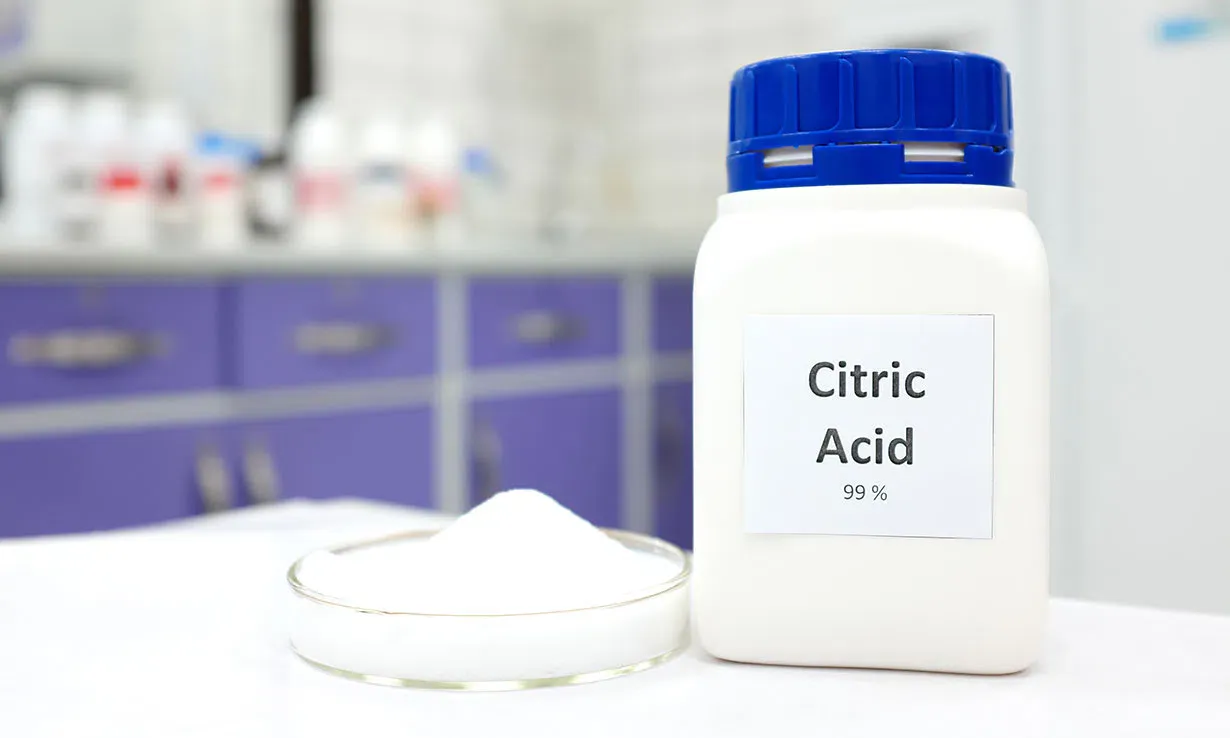
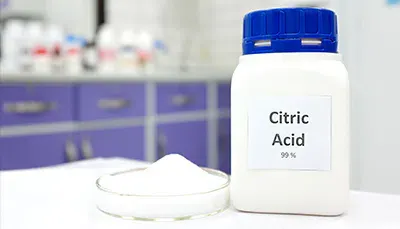
Citric acid (C₆H₈O₇) is a weak organic acid produced commercially by fermentation of corn, molasses, or sugarcane, primarily using Aspergillus niger strains. Its key properties—acidulant, preservative, chelating agent, and flavor enhancer—make it indispensable in food, beverages, pharmaceuticals, detergents, and cosmetics. China’s dominance stems from low-cost corn feedstock, mature fermentation technology, and large-scale production bases in Shandong, Jiangsu, and Henan provinces.
In early 2026, China’s Ministry of Commerce implemented stricter export controls, including enhanced inspection, quota adjustments, and documentation requirements, citing environmental compliance and industrial upgrading goals. The move immediately reduced export volumes, creating supply shortages in Europe, North America, and Southeast Asia. Freight delays near the Strait of Hormuz, a key chemical shipping lane carrying 20% of global chemical trade, further complicated logistics and amplified buyer caution.
European buyers faced the most acute pressure. Pre-2026, Europe imported over 80% of its citric acid from China; export curbs forced manufacturers to scramble for alternative suppliers in Turkey, Brazil, and the United States, though these regions lack sufficient capacity to fill the gap. As a result, European spot prices rose by 12–15% between March and May 2026, reaching USD 1,850–1,950 per tonne for food-grade citric acid. North American prices followed a similar upward trend, supported by strong demand from beverage and pharmaceutical sectors.
Demand fundamentals remain resilient. The food and beverage industry continues to drive growth, with citric acid widely used in carbonated drinks, fruit juices, jams, and canned foods for flavor enhancement and shelf-life extension. In pharmaceuticals, it serves as an excipient, effervescent agent, and chelator in tablets, syrups, and topical formulations. A high-growth niche is battery-grade citric acid, used in lithium-ion battery manufacturing for metal ion chelation and electrode surface treatment, with demand expanding at 8–10% annually amid the EV boom.
Sustainability and regulatory trends are also influencing the market. In Europe, the EU’s Circular Economy Action Plan encourages the use of bio-based chemicals, supporting citric acid’s position as a renewable alternative to synthetic acidulants. In China, stricter environmental standards have led to the closure of small, high-pollution fermentation plants, consolidating capacity among larger, more compliant producers.
Looking forward, the global citric acid market will remain tight through late 2026 as China’s export controls persist. Prices are expected to stabilize at elevated levels as buyers adjust sourcing strategies and alternative capacity gradually comes online. Long-term growth will be driven by emerging applications in batteries, biodegradable polymers, and green detergents, alongside steady demand from traditional food and beverage sectors. As the industry evolves, sustainability and supply chain resilience will become key competitive advantages for citric acid producers worldwide.