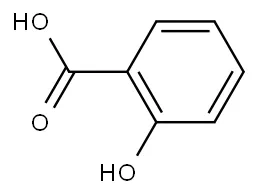
Salicylic acid CAS#69‑72‑7
As a key organic synthetic intermediate, salicylic acid finds broad applications in pharmaceuticals, agrochemicals, dyes, rubber and fragrance industries.
It manufactures pharmaceutical products including aspirin, methyl salicylate and salicylamide, and serves as intermediate for pesticides, rubber anti‑scorching agents, UV absorbers and fragrance esters. It delivers antibacterial, antipyretic and analgesic properties for topical preparations. Some of its sodium‑salt food‑preservative applications are restricted in many regions. Its derivatives are widely applied in flavors and therapeutic formulations.
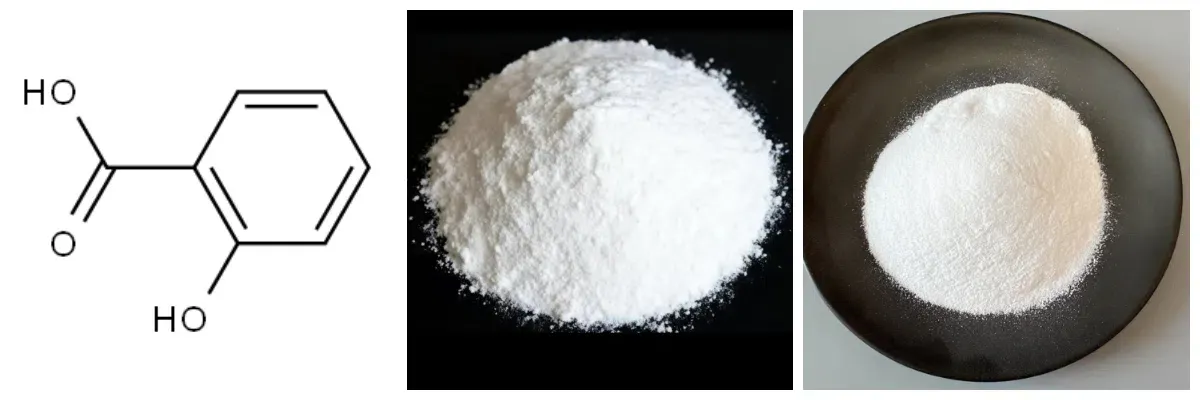
Salicylic acid Chemical Properties |
Melting point | 158-161 °C(lit.) |
Boiling point | 211 °C(lit.) |
bulk density | 400-500kg/m3 |
density | 1.44 |
vapor density | 4.8 (vs air) |
vapor pressure | 1 mm Hg ( 114 °C) |
refractive index | 1,565 |
FEMA | 3985 | 2-HYDROXYBENZOIC ACID |
Fp | 157 °C |
storage temp. | 2-8°C |
solubility | ethanol: 1 M at 20 °C, clear, colorless |
form | Solid |
pka | 2.98(at 25℃) |
color | White to off-white |
PH | 3.21(1 mM solution);2.57(10 mM solution);2.02(100 mM solution); |
PH Range | Non0 uorescence (2.5) to dark blue 0 uorescence (4.0) |
Odor | at 100.00 %. faint phenolic nutty |
Odor Type | nutty |
biological source | synthetic |
Water Solubility | 1.8 g/L (20 ºC) |
λmax | 210nm, 234nm, 303nm |
Sensitive | Light Sensitive |
Merck | 14,8332 |
Sublimation | 70 ºC |
JECFA Number | 958 |
BRN | 774890 |
Stability: | Stable. Substances to be avoided include oxidizing agents, strong bases, iodine, fluorine. Combustible. Sensitive to light. |
Major Application | Semiconductors, nanoparticles, photoresists, lubricating oils, UV absorbers, adhesive, leather, cleaner, hair dye, soaps, cosmetics, pain medication, analgesics, antibacterial agent, treatment of dandruff, hyperpigmented skin, tinea pedis, onychomycosis, osteoporosis, beriberi, fungicidal skin disease, autoimmune disease |
Cosmetics Ingredients Functions | HAIR CONDITIONING |
InChIKey | YGSDEFSMJLZEOE-UHFFFAOYSA-N |
LogP | 2.01 |
CAS DataBase Reference | 69-72-7(CAS DataBase Reference) |
NIST Chemistry Reference | Benzoic acid, 2-hydroxy-(69-72-7) |
EPA Substance Registry System | Salicylic acid (69-72-7) |
Safety Information |
Hazard Codes | Xn,F |
Risk Statements | 22-41-36/37/38-36-20/21/22-11 |
Safety Statements | 26-39-37/39-36-36/37-16 |
RIDADR | UN 1648 3 / PGII |
WGK Germany | 1 |
RTECS | VO0525000 |
Autoignition Temperature | 500 °C |
TSCA | TSCA listed |
HS Code | 29182100 |
Hazardous Substances Data | 69-72-7(Hazardous Substances Data) |
Toxicity | LD50 i.v. in mice: 500 mg/kg (Sota) |
Product Application of Salicylic acid CAS#69-72-7
Overview
Salicylic acid, also known as 2-hydroxybenzoic acid, is a versatile beta-hydroxy acid (BHA) with keratolytic, antibacterial and anti‑inflammatory properties. It is a widely adopted functional raw material for pharmaceutical, dermatological and cosmetic formulations, with usage strictly governed by concentration for safety.
Main Application Scenarios
Dermatological & Medical Topical Use
Salicylic acid is applied to relieve skin conditions including acne, dandruff, eczema and psoriasis.
3%–6% concentration: Gentle keratolysis to shed excess dead skin;
Concentrations above 6%: Risk of skin tissue irritation and damage, requiring professional supervision;
Up to 40% concentration: For targeted treatment of thick calluses, corns and warts under medical guidance.
Cosmetic Formulation
As a classic BHA raw material, salicylic acid can unclog pores and promote cutin metabolism. Many well‑known skincare brands incorporate it into their star products: Clinique launched its 1% salicylic acid lotion in 1993; SK‑II and Olay also released mainstream skincare items formulated with 1.5% BHA.
To guarantee consumer safety, the salicylic acid content in finished cosmetics is normally restricted within 0.2%–1.5%. Relevant warning statements must be printed on product labels. It is not recommended for long‑term uncontrolled use and is prohibited for children under 3 years old.
Packaging & Transportation
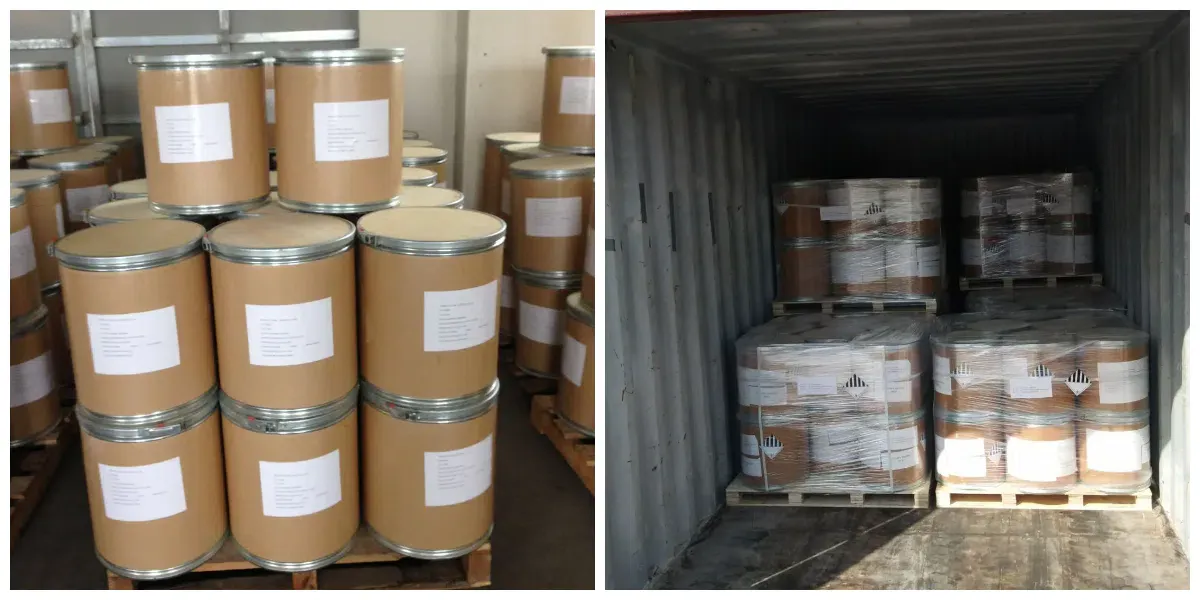
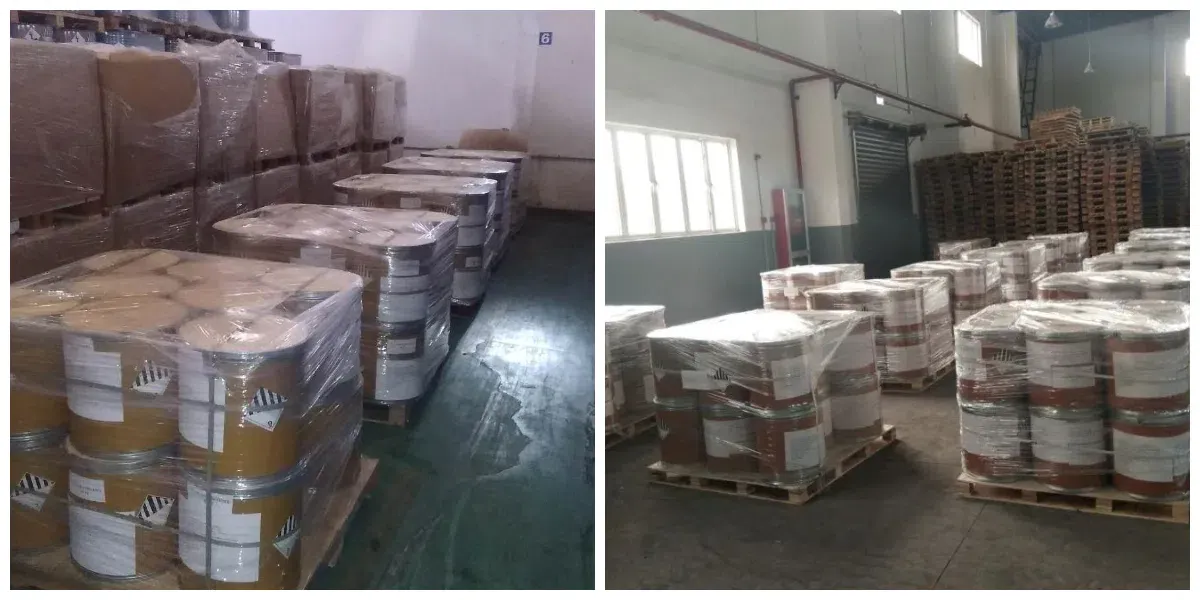
Packaging specification: Usually packed in 25kg woven bags with inner PE liner, or 25kg fiber drums. Custom packaging is available upon customer request.
Transport notes: Keep away from strong oxidants, strong alkalis and heat sources during transit. Protect packages from moisture, rain and direct sunlight. It is classified as a common chemical, non‑explosive and non‑self‑igniting under normal transport conditions.
Storage condition: Store in a cool, dry and well‑ventilated warehouse. Seal packages tightly, separate from incompatible substances, and avoid long‑term exposure to humid air to prevent caking.
After-sales Service
We provide complete supporting documents including COA, SDS, packing list, commercial invoice and customs declaration materials.
If any quality discrepancy is found after receipt, customers can submit test reports and photos within the agreed time; our team will respond rapidly and negotiate proper solutions such as re‑delivery or compensation.
Technical support is available for formulation advice, concentration matching and compliance inquiry of cosmetic & pharmaceutical finished products.
Customer Cases
We have supplied salicylic acid steadily to cosmetic raw material distributors, pharmaceutical preparation factories and fine chemical manufacturers across Southeast Asia, the Middle East and Europe.
Our clients mainly use it for acne skincare serums, anti‑dandruff shampoo additives and dermatological topical ointment production. We can adjust batch indexes according to customers’ formulation requirements.
FAQ
Q1: What is the difference between salicylic acid and fruit acid (AHA)?
AHA works on the skin surface, while salicylic acid (BHA) is oil‑soluble and can penetrate into sebaceous pores, which makes it more suitable for oily, acne‑prone skin.
Q2: Can this raw material be directly used on human skin without re-formulation?
No. The raw salicylic acid powder has high purity. It must be diluted, compounded and tested by formulators before making finished skincare or medical products. Direct application will cause skin burns.
Q3: What certificates can you provide?
We supply COA for each batch, SDS, and support related inspection by third‑party labs such as SGS as required.
Q4: What is your MOQ?
The standard MOQ is 1 FCL. Small trial orders can be negotiated for new customers.