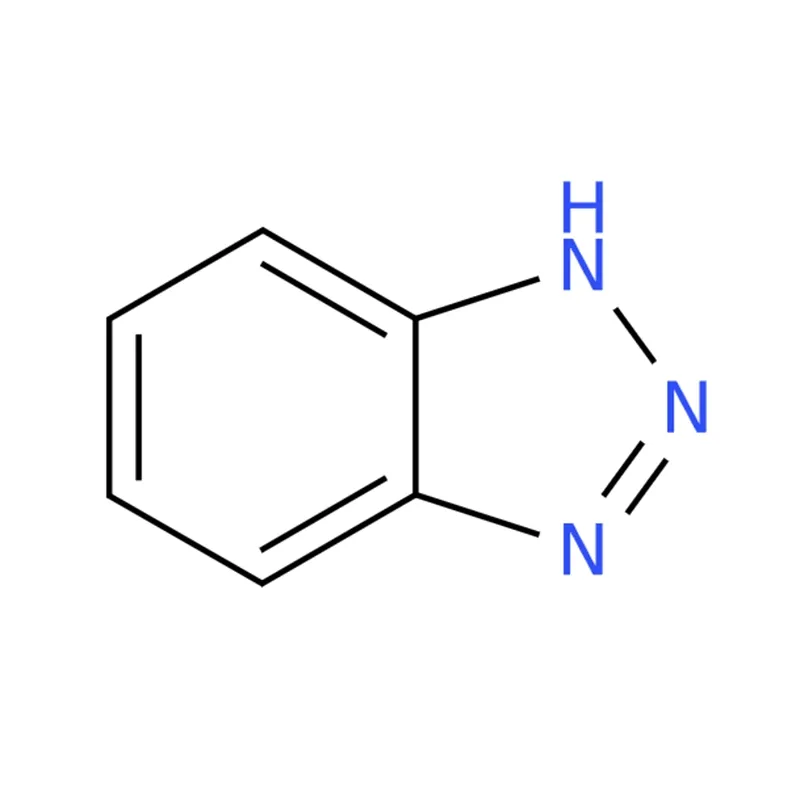
1H-Benzotriazole Technical & Research Brief
1. Core Structural & Chemical Characteristics
1.1 Simplified Molecular Structure
1H-Benzotriazole is the simplest member of the benzotriazole family, featuring a compact molecular structure: a benzene ring directly fused with a 1H-1,2,3-triazole ring. This straightforward structural design not only ensures stable chemical properties but also makes it a typical model compound in organic chemistry research, facilitating easy handling in both laboratory and industrial scenarios.
1.2 Key Physicochemical Traits
Structural Advantage: The minimal molecular framework (benzene ring + triazole ring) ensures predictable reactivity, with clear interaction rules in biological and environmental systems.
Dual Classification: It is classified as both anenvironmental contaminant (widely present in water and soil) and a xenobiotic (a foreign substance to biological systems), laying the foundation for its diverse research and application value.
2. Research & Environmental Significance
2.1 Environmental Contaminant Attribute
As a common environmental contaminant, 1H-Benzotriazole is widely detected in both aquatic and terrestrial ecosystems due to its extensive industrial applications. Its persistence and bioaccumulation potential make it a key research object for:
Water pollution monitoring and ecological risk assessment.
Studies on the migration and transformation of organic contaminants in natural environments.
2.2 Xenobiotic Properties
As a xenobiotic substance, it interacts with biological systems by triggering metabolic stress and enzymatic changes, serving as a typical model for:
Toxicological research on foreign substances in biological systems.
The development of bioremediation technologies for organic contaminants.
2.3 Research Utility
Its well-defined chemical properties (stable structure, predictable reactivity) make it an ideal research tool for:
Environmental Toxicology: Studying xenobiotic metabolism and ecological impacts.
Analytical Chemistry: Developing detection methods for organic contaminants in water, soil, and air.
Material Science: Exploring corrosion inhibition mechanisms and material modification.
3. Industrial & Practical Applications
3.1 Corrosion Inhibition (Core Industrial Use)
As a high-efficiency corrosion inhibitor, 1H-Benzotriazole is widely used in industrial production, mainly including:
Aviation & Automobile Industry: Added to aircraft deicing fluids, antifreeze, and metalworking fluids to protect copper, brass, and steel components from corrosion.
Industrial Systems: Applied in closed-loop cooling systems, water pipelines, and metal storage tanks to extend service life and ensure operational stability.
3.2 Household & Commercial Applications
Dishwasher Detergents: Acts as a corrosion inhibitor to protect metal components of dishwashers and reduce spotting on glassware.
Photographic Industry: Serves as a stabilizer in silver halide photographic emulsions, improving image quality and processing stability.
3.3 Analytical & Synthetic Applications
Analytical Chemistry: Used as a key reagent for the detection and quantitative analysis of silver ions.
Organic Synthesis: Serves as a building block for amine synthesis and other nitrogen-containing organic compounds, supporting the pharmaceutical and fine chemical industries.
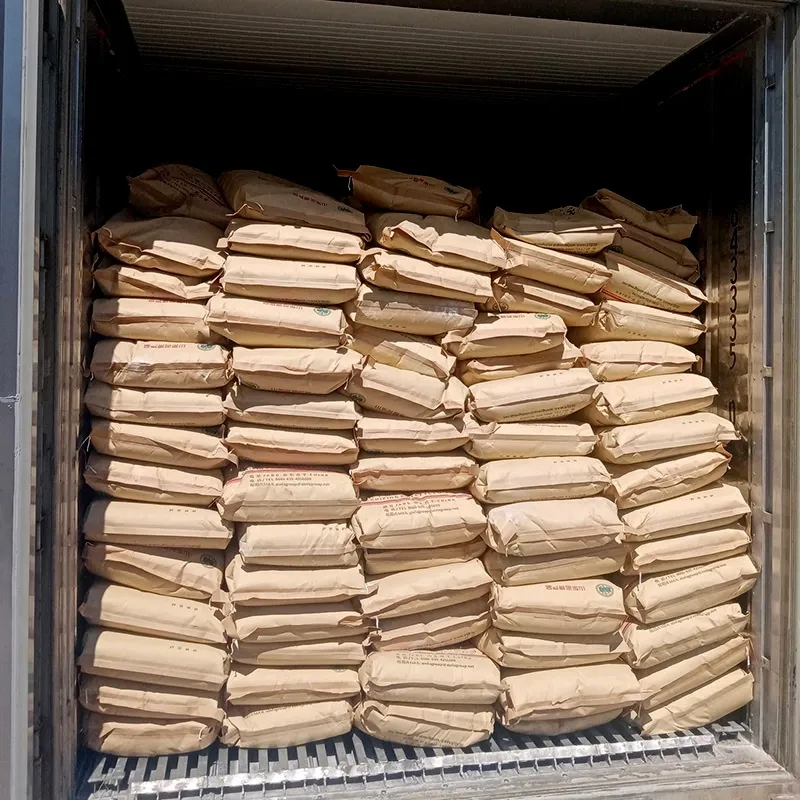
Parameters
| Melting point | 97-99 °C(lit.) |
| Boiling point | 204 °C (15 mmHg) |
| density | 1,36 g/cm3 |
| bulk density | 500kg/m3 |
| vapor density | 4.1 (vs air) |
| vapor pressure | 0.04 mm Hg ( 20 °C) |
| refractive index | 1.5589 (estimate) |
| Fp | 170 °C |
| storage temp. | Store below +30°C. |
| solubility | 19g/l |
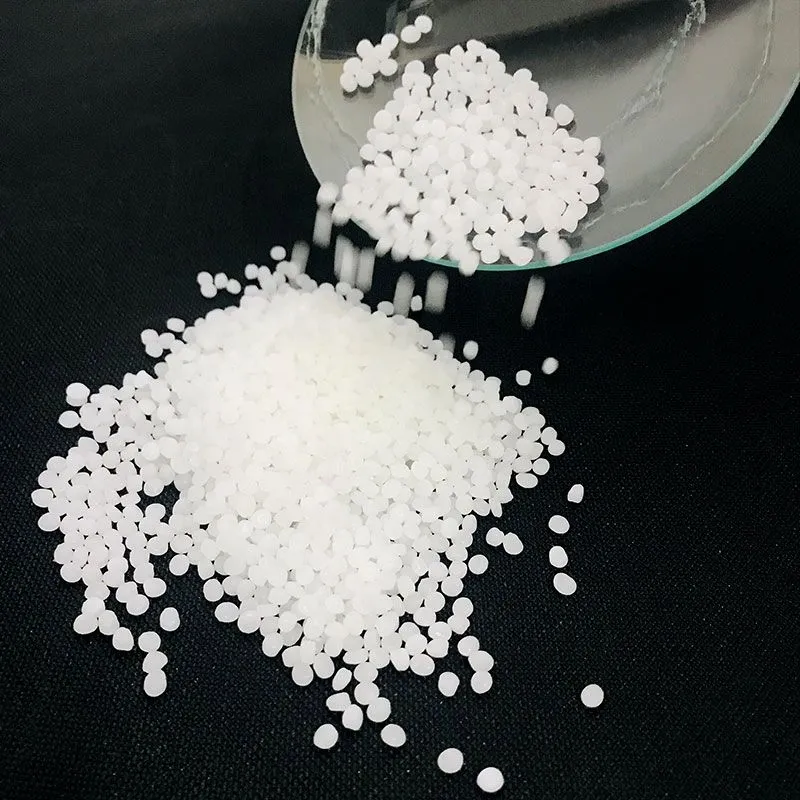
| form | Powder, Granules, Crystals, Needles or Flakes |
| pka | 1.6(at 20℃) |
| color | White to yellow-beige |
| Odor | Slight characteristic odor |
| PH | 6.0-7.0 (100g/l, H2O, 20℃)suspension |
| explosive limit | 2% |
| Water Solubility | 25 g/l in water (20 ºC) |
| Merck | 14,1108 |
| BRN | 112133 |
| Stability: | Stable, but may be light sensitive. Incompatible with strong oxidizing agents, heavy metals. |
| InChIKey | QRUDEWIWKLJBPS-UHFFFAOYSA-N |
| LogP | 1.34 at 22.7℃ |
| CAS DataBase Reference | 95-14-7(CAS DataBase Reference) |
| NIST Chemistry Reference | 1H-Benzotriazole(95-14-7) |
| EPA Substance Registry System | 1,2,3-Benzotriazole (95-14-7) |
Safety Information
| Hazard Codes | Xn,Xi,F |
| Risk Statements | 20/22-36-52/53-5-36/37/38-20/21/22-11 |
| Safety Statements | 26-36/37-61-45-36/37/39-28A |
| RIDADR | 2811 |
| WGK Germany | 1 |
| RTECS | DM1225000 |
| Autoignition Temperature | 400 °C |
| Hazard Note | Harmful/Irritant |
| TSCA | Yes |
| HS Code | 29339990 |
| Hazardous Substances Data | 95-14-7(Hazardous Substances Data) |
| Toxicity | LD50 orally in Rabbit: 560 mg/kg LD50 dermal Rabbit > 2000 mg/kg |