Product Details
Dimethylaminopyridine (DMAP) is a powerful nucleophilic acylation catalyst. Its dimethylamino group (which donates electrons) interacts with the pyridine ring, making the nitrogen on the ring more reactive for nucleophilic substitution.
This effect greatly speeds up the acylation and esterification of alcohols, amines, and acids—even for hard-to-react materials with high steric hindrance or low reactivity. DMAP works 10⁴–10⁶ times better as a catalyst than pyridine.
Acyl transfer is key in both natural processes and organic synthesis. Specifically, chiral DMAP is often used as a catalyst for asymmetric acyl transfer reactions.
Dimethylaminopyridine (DMAP) has a range of practical uses. It works for water softening and making high-purity water, and also helps refine radioactive elements. Besides, it’s used to extract iodine from seaweed, purify antibiotics, and treat industrial wastewater.
Dimethylaminopyridine Chemical Properties
| Melting point | 112 °C |
| Boiling point | 162 °C |
| density | 0.906 g/mL at 25 °C |
| vapor pressure | 0.169 hPa at 20 °C |
| refractive index | n20/D 1.431 |
| Fp | 110 °C |
| storage temp. | Store below +30°C. |
| solubility | methanol: 50 mg/mL, clear |
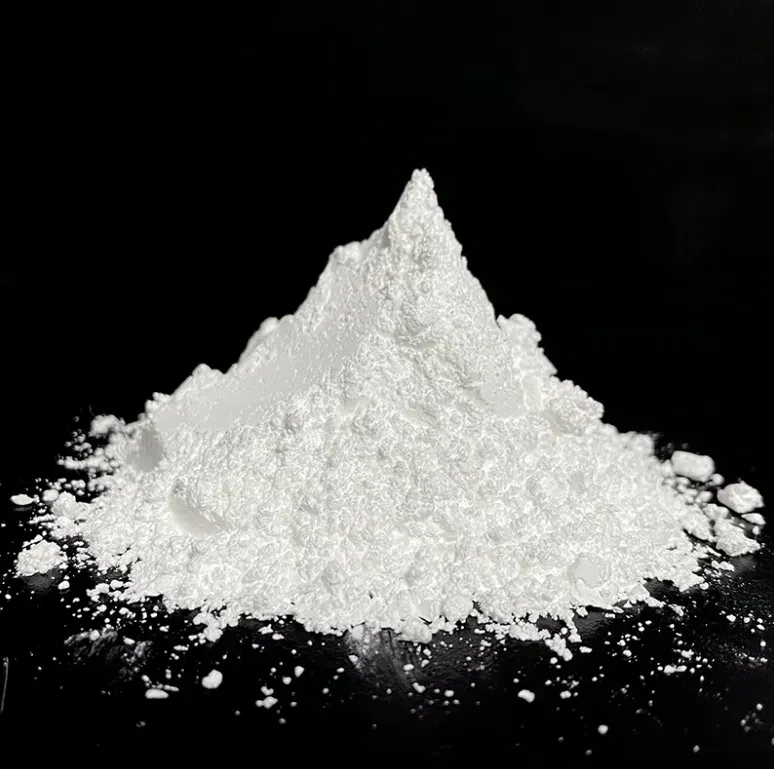
| form | prilled |
| pka | pKa (20°): 9.7 |
| color | off-white to yellow |
| Odor | characteristic odor |
| PH Range | 9.7 (10% aq soln) |
| PH | 11 (60g/l, H2O, 20℃) |
| Water Solubility | 76 g/L (25 ºC) |
| Merck | 143389 |
| BRN | 110354 |
| Stability: | Stable. Incompatible with acids, oxidizing agents. |
| LogP | 1.34 at 25℃ |
| CAS DataBase Reference | 1122-58-3(CAS DataBase Reference) |
| NIST Chemistry Reference | 4-Pyridinamine, N,N-dimethyl-(1122-58-3) |
| EPA Substance Registry System | 4-(Dimethylamino)pyridine (1122-58-3) |
Safety Information
| Hazard Codes | T,C,T+,Xn,F |
| Risk Statements | 25-34-24/25-36/37/38-27-36-24-20-61-40-23/24/25-67-66-21/22-11-36/37-22-19 |
| Safety Statements | 36/37/39-45-28A-26-28-36/37-53-27-22-16 |
| RIDADR | UN 2811 6.1/PG 2 |
| WGK Germany | 3 |
| RTECS | US8400000 |
| Autoignition Temperature | 420 °C |
| Hazard Note | Toxic/Corrosive |
| TSCA | T |
| HazardClass | 8 |
| PackingGroup | II |
| HS Code | 29333999 |
| Toxicity | LD50 orally in Rabbit: 140 mg/kg LD50 dermal Rabbit 90 mg/kg |