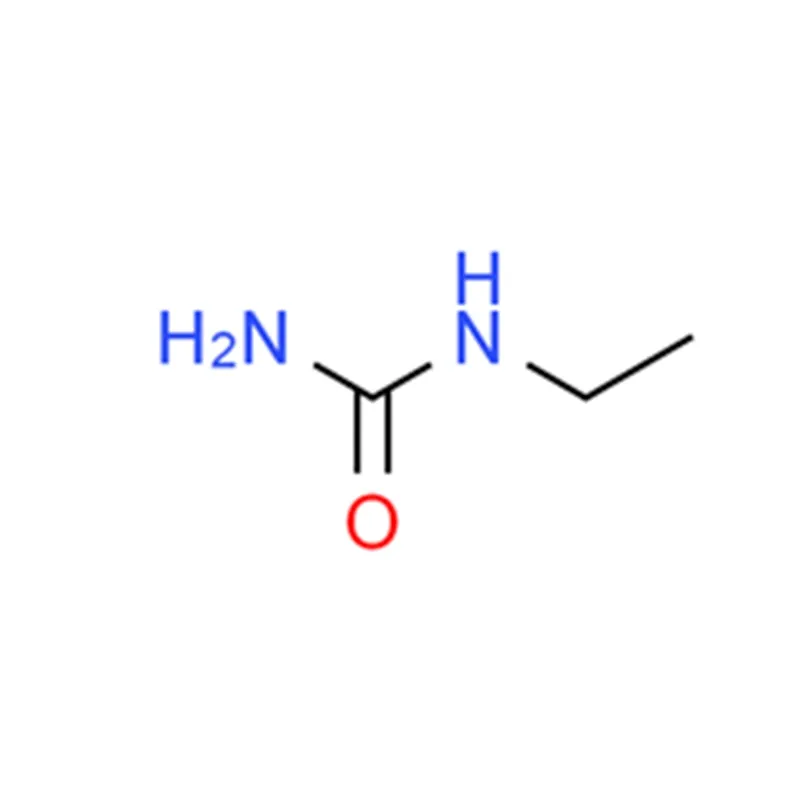
Products Description of Polyurethane CAS#9009-54-5
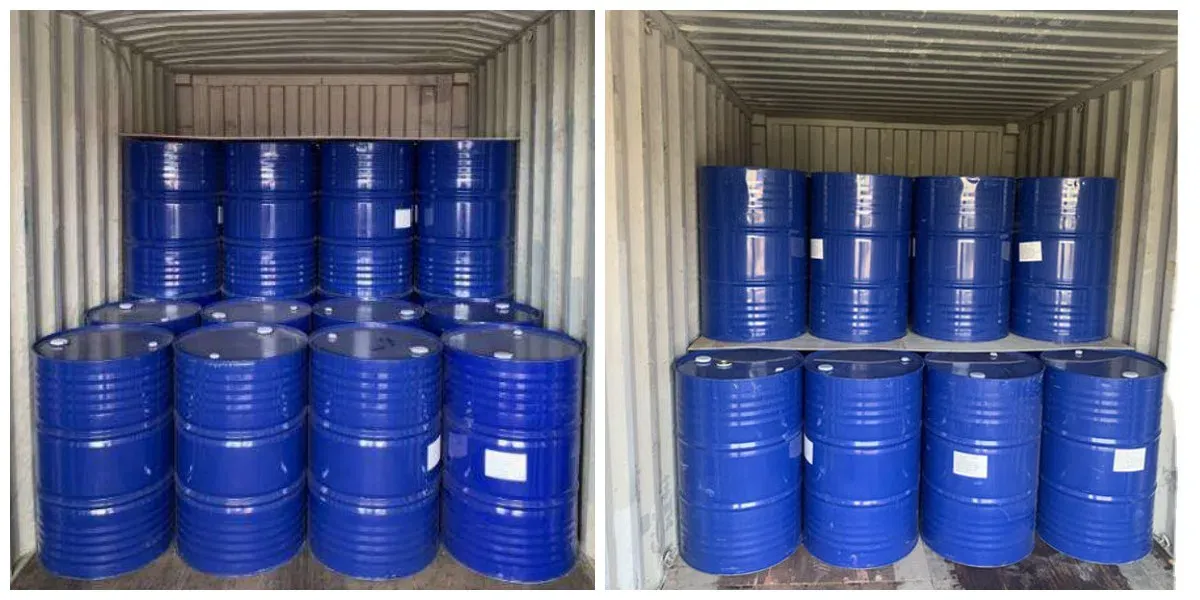
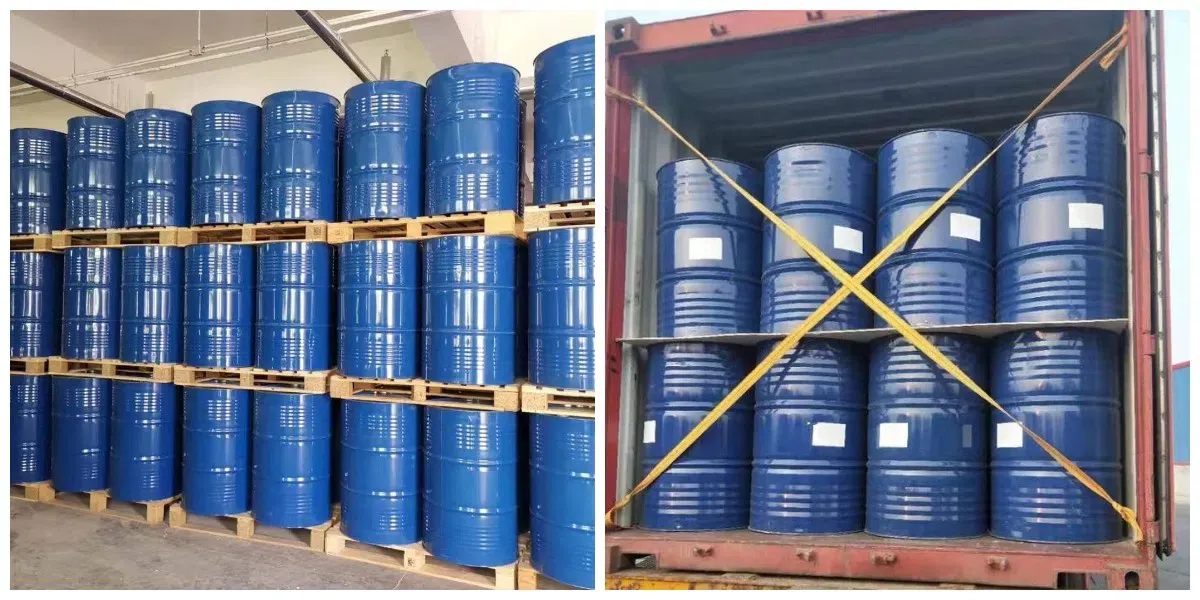
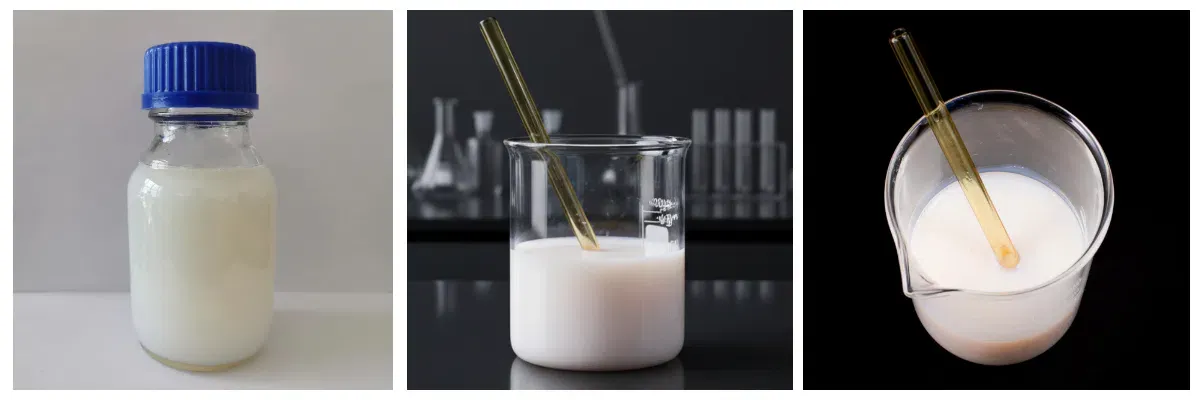
Polyurethane (PU) is a versatile polymeric material available in diverse forms including viscous prepolymer liquids, solid pellets, flexible foams, rigid blocks and molded elastomer parts; its natural color ranges from translucent, milky white to pale yellow or light brown, and it can be customized into various opaque or tinted hues with pigments. As for physical properties, it has a typical density of 1.2–1.3 g/cm³, featuring outstanding abrasion resistance, strong tensile strength, great toughness and flexible elasticity, with adjustable hardness spanning from soft sponge-like texture to rigid hard plastic, alongside reliable electrical insulation and decent shock absorption performance, and it is insoluble in water while soluble in organic solvents like xylene and styrene. Chemically, it is synthesized via the addition polymerization reaction between isocyanates and polyols, stable against dilute acids, weak alkalis, oils and greases, yet prone to degradation when exposed to strong acids, concentrated alkalis and potent polar organic solvents; aromatic polyurethane variants possess better chemical stability than aliphatic ones, and its molecular structure can be modified by adjusting raw material ratios and crosslinking degree to tailor its overall performance for different industrial scenarios.
Polyurethane Chemical Properties
| English Name | Polyurethane |
| English Synonyms | Polyisocyanurate resins;Polyurethanes, cellular;PU foam;The following companies react isocyanates or prep olymers with polyols to produce polyurethane foams. The list is incomplete.;POLYURETHANEOLIGOMERS;P OLYURETHANEVARNISH;POLYURETHANELACQUER;Polyurethane foam: (Urethane polymers) |
| CAS Number | 9009-54-5 |
| Molecular Formula | C3H8N2O |
| Molecular Weight | 0 |
| EINECS Number | 210-898-8 |
| bulk density | 0.08g/cm3 |
| form | foam |
| Stability: | Stable. Combustible. Incompatible with strong oxidizing agents. |
| InChI | InChI=1S/C3H8N2O/c1-2-5-3(4)6/h2H2,1H3,(H3,4,5,6) |
| InChIKey | RYECOJGRJDOGPP-UHFFFAOYSA-N |
| SMILES | N(CC)C(N)=O |
| CAS DataBase Reference | 9009-54-5 |
| IARC | 3 (Vol. 19, Sup 7) 1987 |
Product Application of Polyurethane CAS#9009-54-5
Classified as core industrial polymeric substances, polyurethane resins and foams boast remarkable tailorability during production. Manufacturers are able to process them into rigid foam, semi-rigid foam, soft flexible foam, and solid resin substrates on demand. Thanks to this customizable characteristic, polyurethane serves as an indispensable raw material for a huge array of commercial and industrial products. Its mainstream application scenarios span upholstered furniture, mattress and bedding articles, automobile sealing and shock-absorbing components, bonding adhesives, floor carpets, protective packaging, anti-corrosion surface coatings, alongside a great many other end commodities.
As a highly adaptable polymer material, polyurethane has found extensive adoption across diversified fields, and it can even be fabricated into medical prosthetic supplies including implantable bone fixation splints for clinical orthopedic treatment.This material earns widespread recognition in manufacturing sectors owing to its comprehensive superior properties. It features prominent resistance against grease erosion, ultraviolet light aging and corrosion from various organic solvents, coupled with exceptional mechanical robustness and bendable elasticity. From a chemical synthesis perspective, polyurethane polymers are generated via step-growth polyaddition polymerization, which takes place when diisocyanate monomers chemically react with polyhydroxy polyol compounds under appropriate reaction conditions. Beyond the above merits, polyurethane also delivers decent wear resistance, thermal insulation and sound insulation performance, which further broadens its applicable boundaries in construction, electronics and daily consumer goods industries.