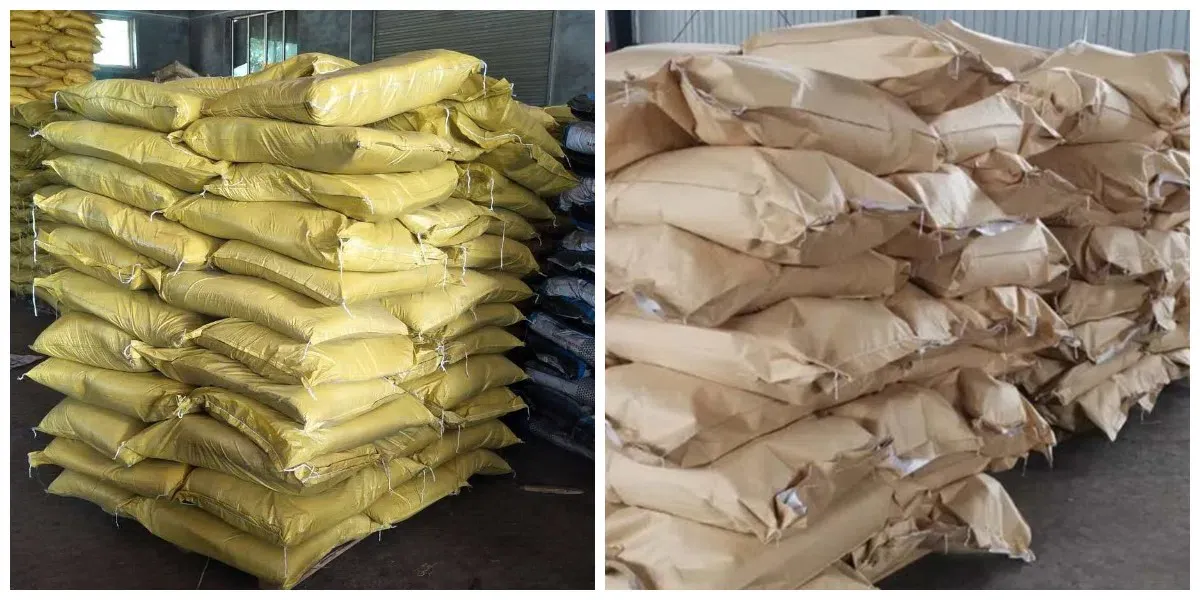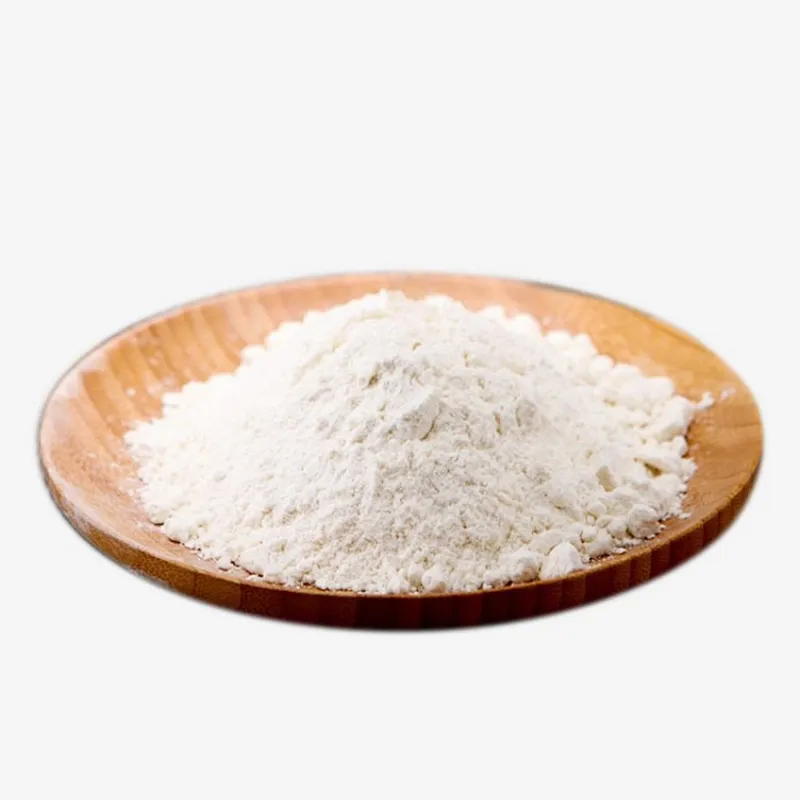
This product is supplied in two physical forms: brown powder and liquid variant, and it does not carry any strong or recognizable scent. Classified as a non-hazardous non-toxic substance, it can be deployed securely across a wide spectrum of industrial and commercial usage scenarios. This chemical compound demonstrates excellent solubility when mixed with water and alkaline aqueous solutions alike, allowing for convenient dosing and blending within diverse production workflows. On the contrary, an obvious chemical reaction will take place once it comes into contact with acidic substances, leading to the generation of solid precipitates. This unique chemical trait makes it an ideal choice for technical formulations and treatment processes that demand precise, adjustable precipitation effects.
Beyond the above features, this material delivers outstanding dispersion performance. It is capable of breaking up agglomerated particles efficiently and facilitating even, homogeneous distribution of solid components within liquid solutions and suspended systems. Benefiting from its comprehensive adaptability and favorable dissolution characteristics, this product has gained extensive adoption in numerous chemical manufacturing and industrial sectors. Typical application fields include municipal and industrial wastewater treatment, textile printing & finishing procedures, as well as functioning as a core dispersant ingredient inside solvent-based and waterborne coatings and architectural paints. Combined with its inherently stable chemical structure and low-risk safety attributes, the product gains extra competitive advantages for operation sites and production facilities that enforce stringent health, environmental and safety management standards.
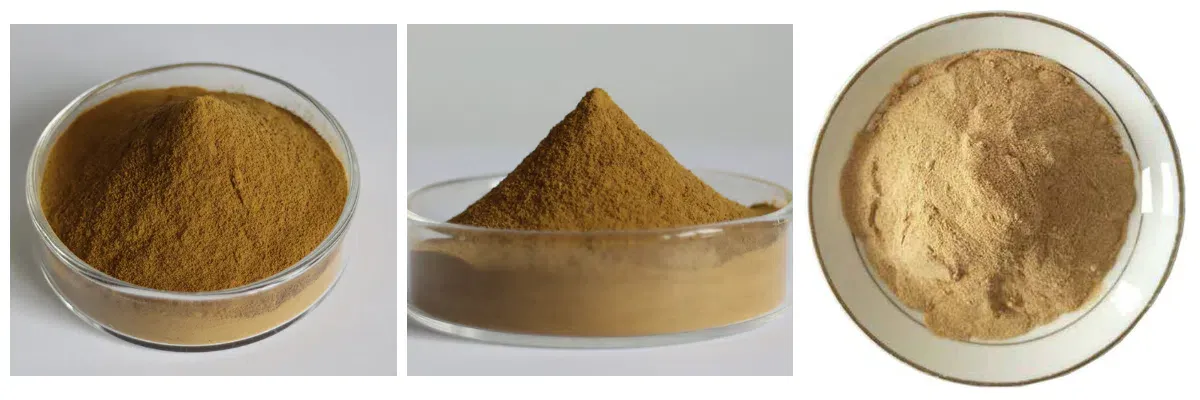
Sodium lignosulfonate Chemical Properties
| solubility | H2O: soluble |
| form | powder to crystal |
| color | Black |
| PH | 3.5 (10wt. %) |
| Odor | Slight characteristic odor |
| Water Solubility | H2O: soluble |
| EPA Substance Registry System | Sodium lignosulfonate (8061-51-6) |
| Safety Statements | 24/25 | |
| WGK Germany | 1 | |
| RTECS | OI6174000 | |
| HS Code | 3804.00.1000 | |
| Hazardous Substances Data | 8061-51-6(Hazardous Substances Data) | |
| Melting point | 370°C(decomposition) | |
| density | 2.306(16℃) | |
| RTECS | TB8528000 | |
| storage temp. | 2-8°C | |
| solubility | Practically insoluble in water and in ethanol (96 per cent). It dissolves in dilute hydrochloric acid and in dilute nitric acid. | |
| form | gel (aged) | |
| color | White | |
| PH | 7 (10g/l, H2O, 20°C) suspension | |
| Water Solubility | Sparingly soluble in water, practically insoluble in cold water. | |
| Merck | 13,1697 | |
| Solubility Product Constant (Ksp) | pKsp: 7 | |
| Stability: | Stable. Incompatible with strong oxidizing agents. | |
| InChIKey | FUFJGUQYACFECW-UHFFFAOYSA-L | |
| LogP | -2.148 (est) | |
| CAS DataBase Reference | 7757-93-9(CAS DataBase Reference) | |
| EPA Substance Registry System | Calcium hydrogen phosphate (7757-93-9) | |
Sodium lignosulfonate (CAS 8061-51-6) is a versatile anionic surfactant mainly used as a high-efficiency dispersant. It is widely added to concrete admixtures to reduce water consumption and improve workability. In pesticide, fertilizer and pigment industries, it disperses solid particles to prevent agglomeration. It also serves as a processing auxiliary in textile dyeing, mineral flotation, leather tanning and wastewater treatment, and can work as a precipitation regulator due to its special reaction property with acids.