Product Overview
Ammonium bicarbonate (CAS#1066-33-7), also known as acid ammonium carbonate, is a versatile inorganic compound widely used as a core reagent for industrial mass production and advanced laboratory research. When dissolved in aqueous solution, ammonium bicarbonate is volatile and gradually decomposes to release ammonia gas and carbon dioxide.
| Ammonium bicarbonate Chemical Properties |
| Melting point | 105 °C |
| Boiling point | 143.04°C (rough estimate) |
| density | 1,586 g/cm3 |
| vapor density | 2.7 (vs air) |
| vapor pressure | 67 hPa (20 °C) |
| refractive index | 1.4164 (estimate) |
| storage temp. | 2-8°C |
| solubility | H2O: 1 M at 20 °C, clear, colorless |
| form | Solid |
| color | White |
| Odor | faint ammonia odor |
| PH | 7.0-8.5 (25℃, 1M in H2O) |
| Water Solubility | 220 g/L (20 ºC) |
| λmax | λ: 260 nm Amax: ≤0.030 λ: 280 nm Amax: ≤0.020 |
| Merck | 14,497 |
| BRN | 4329606 |
| Stability: | Stable. Incompatible with strong acids, alkali metals. |
| Cosmetics Ingredients Functions | BUFFERING |
| Cosmetic Ingredient Review (CIR) | Ammonium bicarbonate (1066-33-7) |
| InChI | 1S/CH2O3.H3N/c2-1(3)4;/h(H2,2,3,4);1H3 |
| InChIKey | ATRRKUHOCOJYRX-UHFFFAOYSA-N |
| SMILES | N.OC(O)=O |
| LogP | -0.809 (est) |
| Dissociation constant | 6.49 at 20℃ |
| CAS DataBase Reference | 1066-33-7(CAS DataBase Reference) |
| EPA Substance Registry System | Ammonium bicarbonate (1066-33-7) |
| Safety Information |
| Hazard Codes | Xn,Xi |
| Risk Statements | 22-36/37/38 |
| Safety Statements | 22 |
| RIDADR | UN3077 |
| WGK Germany | 1 |
| RTECS | BO8600000 |
| TSCA | TSCA listed |
| HS Code | 2836 99 17 |
| HazardClass | 9 |
| Storage Class | 13 - Non Combustible Solids |
| Hazard Classifications | Acute Tox. 4 Oral |
| Hazardous Substances Data | 1066-33-7(Hazardous Substances Data) |
| Toxicity | LD50 orally in Rabbit: 1576 mg/kg |
This unique volatile property is its most prominent advantage in analytical chemistry. Unlike non-volatile salt buffers that leave residues after drying, it can fully dissipate after lyophilization. This feature makes ammonium bicarbonate an ideal buffer medium for lyophilization and matrix-assisted laser desorption/ionization (MALDI) workflows. Furthermore, it is a standard reagent applied for trypsin-driven in-gel protein digestion, as well as MALDI mass spectrometric protein identification and quantitative analysis.
Key Product Specifications
CAS Number: 1066-33-7
Chemical Formula: CH₅NO₃
Synonyms: Acid ammonium carbonate, Ammonium hydrogen carbonate
Available Purity Grades:
Industrial Grade: ≥99.5%
High Purity Research Grade: 99.995% metals basis
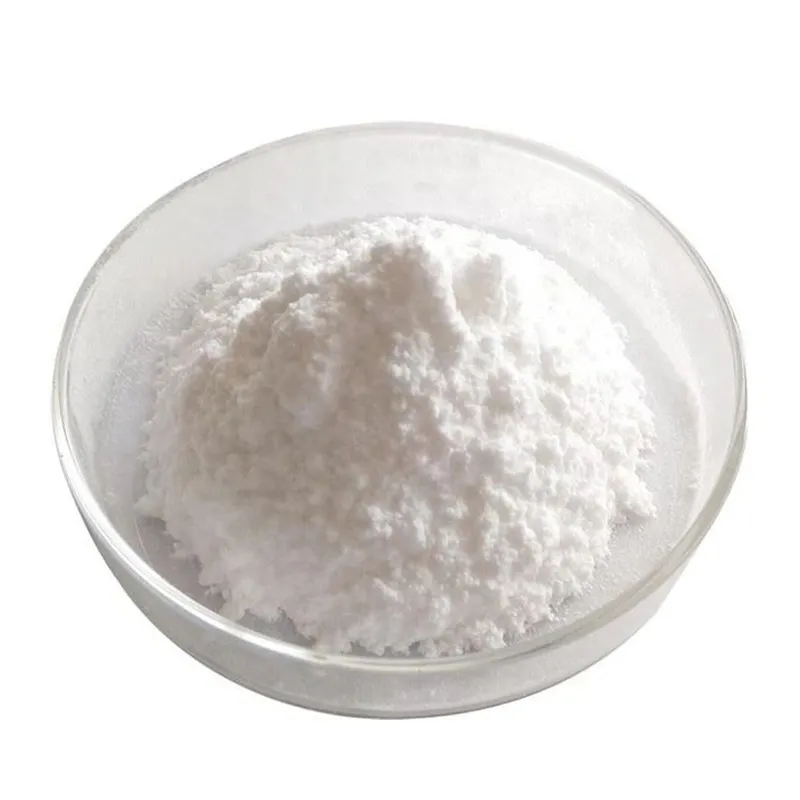
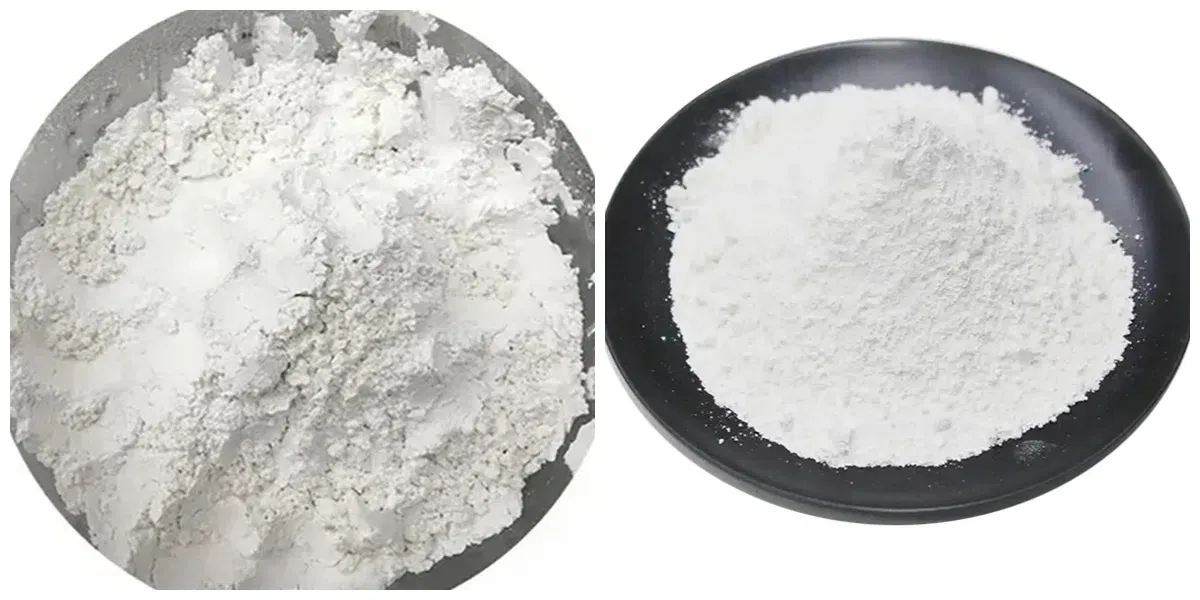
Appearance: Free-flowing white crystalline powder, no caking or visible foreign impurities
Moisture: Strictly controlled below specified limit
MOQ (Minimum Order Quantity): 1 FCL (Full Container Load)
Shelf Life: 12 months under recommended sealed storage conditions
Application Scenarios
Biochemical & Laboratory Research
Ammonium bicarbonate is the industry-standard buffer for proteomics laboratories worldwide. It maintains a mild pH environment to support trypsin activity during in-gel protein digestion. After sample lyophilization, the buffer fully volatilizes without salt residue, which eliminates background interference and greatly improves the accuracy and signal-to-noise ratio in MALDI mass spectrometry protein analysis. It is also widely used in sample pretreatment for biomolecule isolation, peptide extraction and biochemical separation experiments.
Food Processing Industry
It functions as a permitted food-grade leavening agent. When heated during baking, it decomposes and releases gas evenly, creating uniform porous texture for biscuits, crackers, pastries, puffed snacks and baked goods. It leaves minimal residual taste and meets food additive standards for qualified batches.
Agricultural Industry
It acts as a fast-acting nitrogen fertilizer. It can be directly applied to soil to supply nitrogen nutrients for crops and promote plant growth, commonly used in grain, vegetable and fruit planting.
Rubber & Plastic Manufacturing
Serves as a low-cost foaming agent for rubber, PVC and plastic products. Upon heating, it decomposes to generate gas to form foamed structures, widely used in foam rubber mats, plastic foaming parts and lightweight polymer materials.
Fine Chemical Synthesis
Used as a raw material for the production of other ammonium salts, inorganic chemical intermediates, wastewater pH adjustment, and gas purification treatment.
Packaging & Transportation
Packaging Options
Standard bulk packing: 25kg woven bags with inner PE lining to prevent moisture penetration.
Customized packaging: 1kg / 5kg / 25kg kraft paper drums for high-purity lab grade available upon request.
All packaging materials are anti-moisture and sealed to avoid product decomposition and leakage.
Logistics & Shipment
Our standard shipment term is full container load (FCL). We can arrange sea freight to major global ports, and provide one-stop export service including export customs declaration, commodity inspection and cargo insurance.
Important Transport & Storage Notes
Store products in cool, dry, shaded and well-ventilated warehouses.
Strictly separate from strong acids, oxidants and corrosive chemicals.
Keep away from direct sunlight, high temperature and humid environment. High temperature and moisture will accelerate decomposition.
Packages must remain sealed during transit. Avoid rough handling to prevent bag rupture and material loss.
Quality Control & After-sales Service
Pre-shipment Quality Control
Every batch undergoes full laboratory inspection before delivery. We provide a batch-specific COA (Certificate of Analysis) covering purity, heavy metal content, moisture, insoluble matter and impurity indicators. MSDS (Material Safety Data Sheet) will be supplied upon request, containing hazard classification, handling guidance and emergency response instructions.
Document Support
We can prepare a complete set of export documents: commercial invoice, packing list, bill of lading, certificate of origin, COA, MSDS. We also issue FCO, proforma invoice and LOI for order negotiation.
Shipment Tracking
Once the vessel departs, we will send all shipping documents promptly and continuously update logistics status. Our team will notify you of estimated arrival time and remind you of receiving preparation.
After-sales Support
Technical consultation: Our technical team provides professional guidance on product dissolution, buffer preparation, storage methods and application parameters for biochemical experiments.
Quality dispute handling: If confirmed quality issues arise after goods arrival supported by third-party inspection reports, we will actively negotiate reasonable solutions such as compensation or re-shipment according to contract terms.
Long-term technical follow-up: We share product storage precautions and seasonal quality risk reminders for long-term cooperative customers.
Customer Cases
We export ammonium bicarbonate to biochemical research institutions, food processing factories, agrochemical distributors and fine chemical traders across Southeast Asia, the Middle East and other regions.
Proteomics & Mass Spectrometry Labs: We supply 99.995% metals basis high-purity ammonium bicarbonate for protein digestion and MALDI-MS analysis, with strict heavy metal control to guarantee reliable experimental results.
Food & Baking Manufacturers: Stable bulk supply of ≥99.5% food-compliant grade, consistent batch quality and stable pricing for continuous production.
Agricultural & Rubber Foaming Factories: Large-volume industrial grade FCL shipments for fertilizer and plastic foaming production.
We have rich export customs clearance experience for this commodity to Singapore, Malaysia, UAE, Pakistan and many other destinations, familiar with local customs inspection requirements for inorganic chemicals.
FAQ
Q1: What purity grades of ammonium bicarbonate can you supply?
A: We provide two main grades. ≥99.5% industrial grade is suitable for food foaming, agriculture and rubber foaming. The 99.995% metals basis high-purity grade is specially produced for proteomics research, protein digestion and MALDI mass spectrometry analysis, with ultra-low heavy metal impurities. Prices differ significantly between these two grades.
Q2: What is your MOQ? Can I order small trial quantity?
A: Our standard MOQ is 1 FCL for bulk industrial orders. For high-purity lab grade, small trial orders can be discussed subject to our production schedule.
Q3: Do you hold export license for ammonium bicarbonate? Can you ship to my country?
A: Yes, we hold complete export qualification documents. We can handle all export formalities and customs declaration for most countries. You just need to advise your destination port so we can check local import requirements in advance.
Q4: What documents can you provide for customs clearance?
A: We can supply commercial invoice, packing list, bill of lading, certificate of origin, batch COA and MSDS. For pre-order negotiation, FCO, proforma invoice and LOI are available.
Q5: How long can ammonium bicarbonate be stored?
A: The shelf life is 12 months when kept sealed under cool and dry conditions. Once opened, use it quickly. Exposure to heat and humidity will speed up decomposition and reduce purity.
Q6: Is ammonium bicarbonate dangerous during handling?
A: It is an irritant. When handling, wear gloves and protective masks, avoid inhalation of dust and direct contact with eyes and skin. Refer to the MSDS for full safety operation instructions.
Q7: What are the common reasons for price differences among suppliers?
A: Price gaps mainly come from purity grade, heavy metal control level, batch stability and packaging quality. Some low-price quotations refer to standard industrial grade, which cannot meet strict requirements for mass spectrometry laboratory analysis. Please confirm the purity specification before comparing quotations.