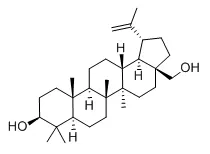
Betulin (CAS#473-98-3)
Sterol regulatory element-binding protein 2 (SREBP-2) controls cholesterol synthesis through activating transcription of HMG-CoA reductase and other cholesterol-synthesizing enzymes. When sterol concentration inside cells is high, SREBP combines with SCAP and Insig and remains on the endoplasmic reticulum (ER) membrane as a glycosylated precursor. Once cholesterol becomes scarce, this precursor is cleaved into active SREBP-2, which enters the nucleus to boost expression of genes related to cholesterol uptake and synthesis.
Betulin is a pentacyclic triterpene isolated from birch bark and serves as the precursor of betulinic acid. It blocks SREBP-dependent cholesterol and fatty acid synthesis by facilitating SCAP–Insig interaction, which inhibits the activation and release of SREBP-2 from the ER. Research shows that daily oral betulin at 15–30 mg/kg reduces lipid profiles and improves insulin sensitivity in mice on a Western-style diet. In LDLR-deficient atherosclerotic model mice, 30 mg/kg/day betulin diminishes atherosclerotic plaque volume and enhances plaque stability. In addition, betulin at 2.5–5 μg/ml combined with cholesterol produces anticancer effects via inducing apoptosis in Jurkat cells, A549 lung carcinoma cells and HeLa cervical cancer cells.
| Betulin Chemical Properties |
| Melting point | 256-257 °C(lit.) |
| alpha | D15 +20° (c = 2 in pyridine) |
| Boiling point | 493.26°C (rough estimate) |
| density | 0.9882 (rough estimate) |
| refractive index | 1.5045 (estimate) |
| storage temp. | 2-8°C |
| solubility | Chloroform (Slightly), Methanol (Slightly, Heated) |
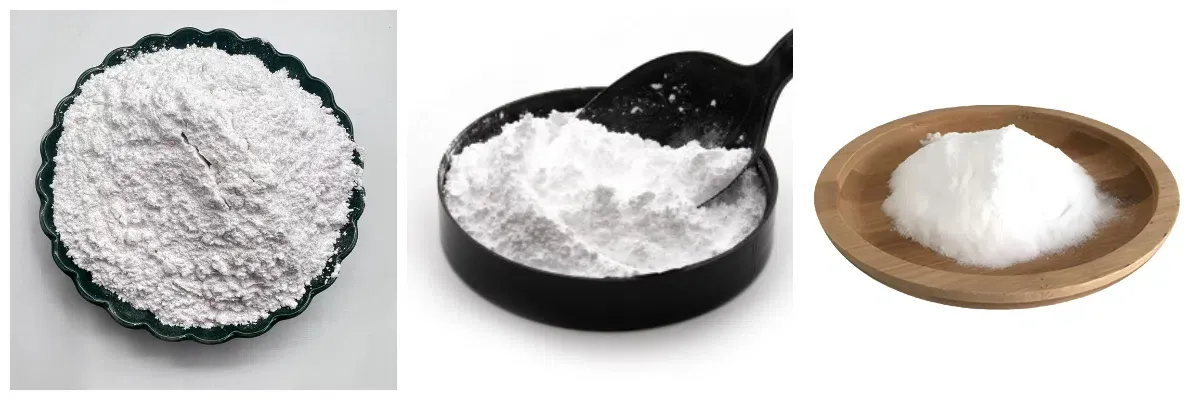
| form | Off-white powder |
| pka | 15.10±0.10(Predicted) |
| color | Pale Brown to Beige |
| Optical Rotation | +2015 (c 6, pyridine) |
| Merck | 14,1189 |
| Stability: | Hygroscopic |
| Major Application | food and beverages |
| Cosmetics Ingredients Functions | SKIN CONDITIONING |
| InChIKey | FVWJYYTZTCVBKE-ROUWMTJPSA-N |
| SMILES | [H][C@]12CC[C@]3([H])[C@@]4(C)CC[C@H](O)C(C)(C)[C@]4([H])CC[C@@]3(C)[C@]1(C)CC[C@@]5(CO)CC[C@@H](C(C)=C)[C@]25[H] |
| LogP | 8.607 (est) |
| CAS DataBase Reference | 473-98-3(CAS DataBase Reference) |
| NIST Chemistry Reference | Betulin(473-98-3) |
| Safety Information |
| Hazard Codes | Xn,Xi |
| Risk Statements | 36/37/38-20/21/22-68/20/21/22-68 |
| Safety Statements | 36/37-36-26 |
| WGK Germany | 3 |
| RTECS | OK5755000 |
| HS Code | 29181985 |
| Storage Class | 11 - Combustible Solids |
| Hazard Classifications | STOT SE 2 |
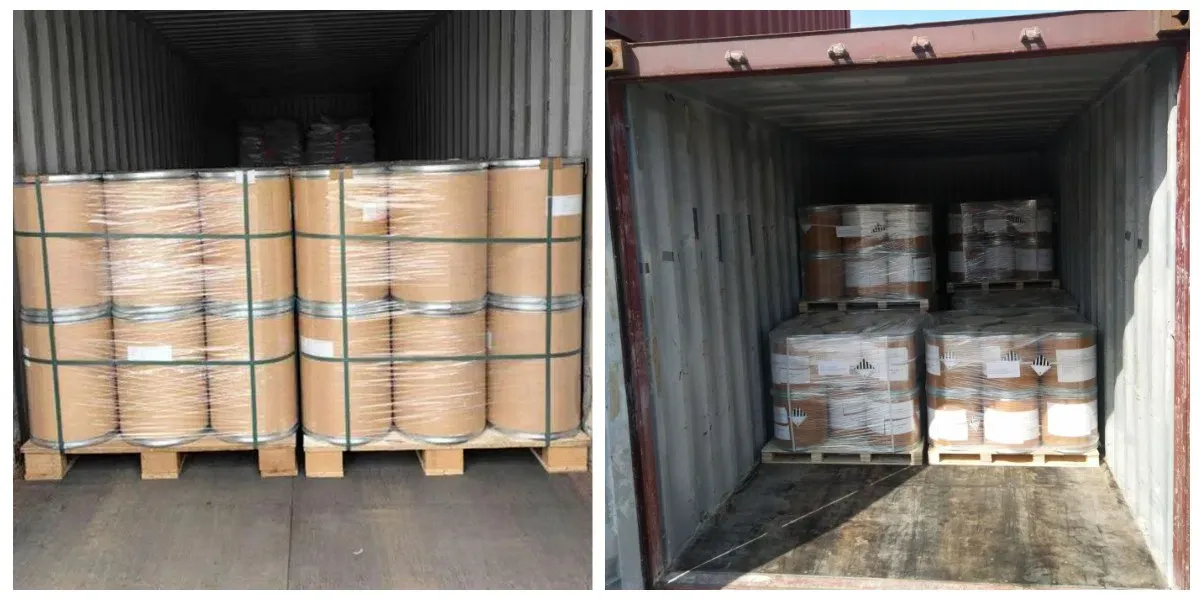
Product Application of Betulin CAS#473-98-3
Birch bark extract exhibits anti-irritant and antibacterial activity and delivers promising effects against acne. It is widely applied in sunburn care items, soothing lotions and aftershave formulas. The associated birch oil provides astringent action and is favored for therapeutic use, especially for acne and eczema treatment. Historically in folk medicine, birch bark extract was added to bathwater to relieve skin eruptions.
Through destructive distillation of the white epidermal layer of birch bark, birch tar oil (Oleum rusci / dagget) can be obtained. It is a viscous, asphalt-like brownish-black liquid with a sharp balsamic scent. High contents of methyl salicylate, creosol and guaiacol are found within this oil, whose chemical composition is highly comparable to wintergreen oil.