Neutral Red, CAS# 553‑24‑2
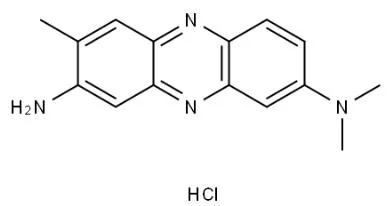
Neutral Red is a hydrochloride salt formed when the free‑base form of neutral red reacts with one equivalent of hydrochloric acid. Functioning as a reliable pH‑sensitive color‑change reagent, this substance displays distinct colour transition from red to yellow across the pH range of 6.8‑8.0.
This versatile compound serves multiple practical laboratory purposes. It is commonly utilized as biological dye staining agent, classic acid‑base indicator, as well as a dual‑colour visual indicator for titration and sample‑pH monitoring. Its chemical structure corresponds to the cationic neutral red(1+) form, delivering stable colour‑response performance under routine experimental conditions.
Neutral Red Chemical Properties |
Melting point | 290 °C (dec.) (lit.) |
Boiling point | 441.31°C (rough estimate) |
bulk density | 350-500kg/m3 |
density | 1.1590 (rough estimate) |
refractive index | 1.6110 (estimate) |
storage temp. | Store at +5°C to +30°C. |
solubility | H2O: soluble10mg/mL |
pka | 6.7, 7.4(at 25℃) |
form | Solid |
Colour Index | 50040 |
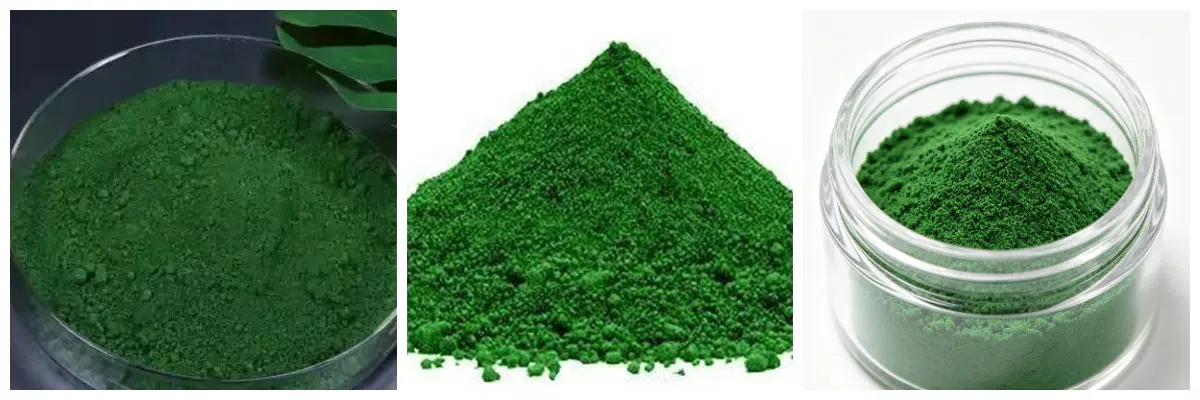
color | Very dark green |
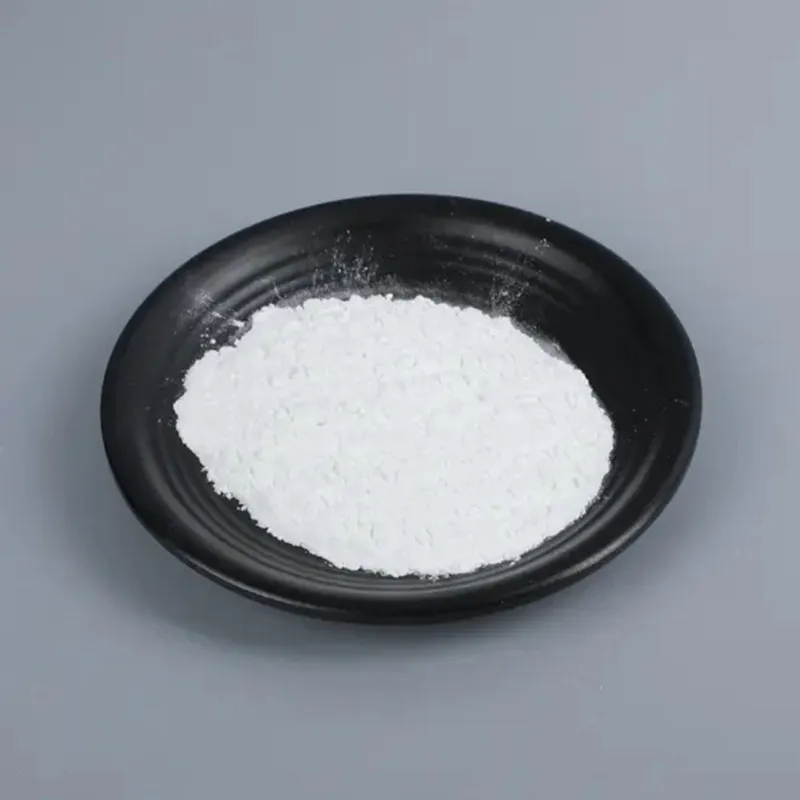
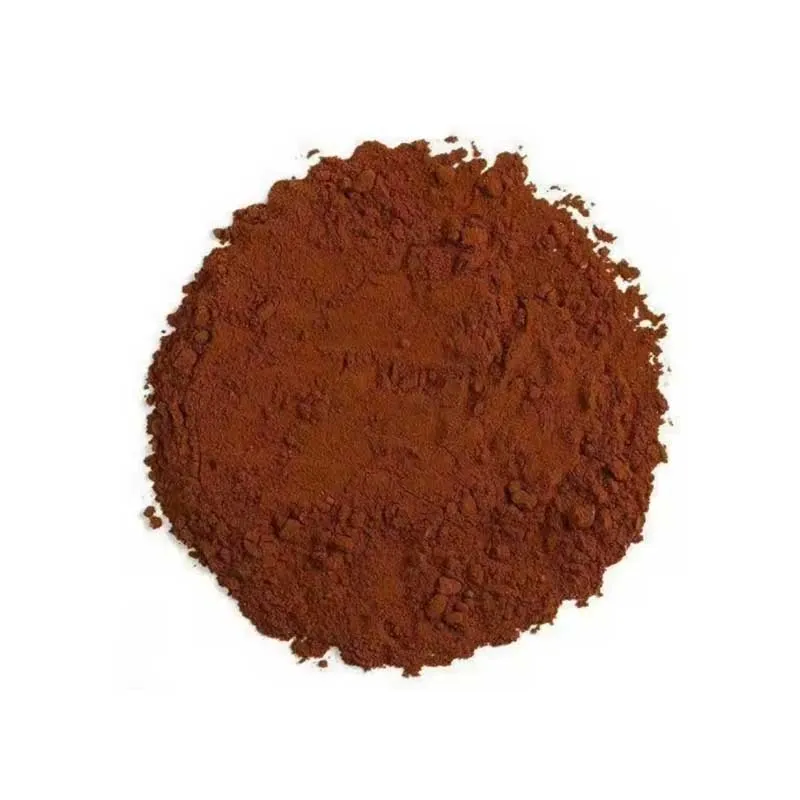
Appearance | Solid Powder |
Odor | Odorless |
PH | 3.1 (10g/l, H2O, 20℃) |
PH Range | 6.8(red)-8(yellow) |
Water Solubility | 50 g/L |
λmax | 540nm, 533nm, 544nm, 529nm, 454nm |
Merck | 14,6488 |
BRN | 3918740 |
Stability: | Stable. Incompatible with strong oxidizing agents. |
Major Application | Fuel cell power generation system, liquid crystal displays, solor cells, sensors, thermochromic materials, coloring wood, detergents, assessment of tobacco smoke, cosmetics, detect bacterial infections, multidrug resistance inhibitors, treatment of burns, endodontic, diabetes, obesity, cancer, age-related macular degeneration, viral diseases |
Biological Applications | Detecting pathogens,bacterial infections; treating age-related macular degeneration,burns,cancer,diabetes,obesity,fungal infections,viral diseases |
InChI | 1S/C15H16N4.ClH/c1-9-6-13-15(8-11(9)16)18-14-7-10(19(2)3)4-5-12(14)17-13;/h4-8H,16H2,1-3H3;1H |
InChIKey | PGSADBUBUOPOJS-UHFFFAOYSA-N |
SMILES | Cl.CN(C)c1ccc2nc3cc(C)c(N)cc3nc2c1 |
CAS DataBase Reference | 553-24-2(CAS DataBase Reference) |
EPA Substance Registry System | Neutral Red (553-24-2) |
Safety Information |
Hazard Codes | Xn,Xi |
Risk Statements | 68-36/37/38 |
Safety Statements | 36/37-37/39-36-26-24/25 |
WGK Germany | 3 |
RTECS | SG1400000 |
TSCA | TSCA listed |
HS Code | 32041300 |
Storage Class | 11 - Combustible Solids |
Toxicity | LD50 intraperitoneal in mouse: 432mg/kg |
This compound acts as a sensitive pH indicator with a visible colour transition range from red to yellow at pH 6.8‑8.0, also known as Basic Red 5.
It is a classic histological dye widely adopted for staining cell nuclei in biological tissue sections. Besides its function as an acid‑base indicator, it is a key additive for microbial culture media to achieve phenotypic differentiation of bacterial strains. A typical application is MacConkey agar, where Neutral Red is formulated together with lactose. When bacteria ferment lactose and produce lactic acid, local medium acidification will trigger the colour‑changing response of this dye. Consequently, lactose‑fermenting bacterial colonies will develop a distinct red colour, which can be easily distinguished against the pale‑toned colonies generated by non‑lactose‑fermenting strains.
Beyond microbiological agar applications, Neutral Red is well‑established for cell‑viability assay workflows. Living cells can take up and bind this dye, and this characteristic property supports qualitative and quantitative testing to evaluate cell survival status in laboratory research.
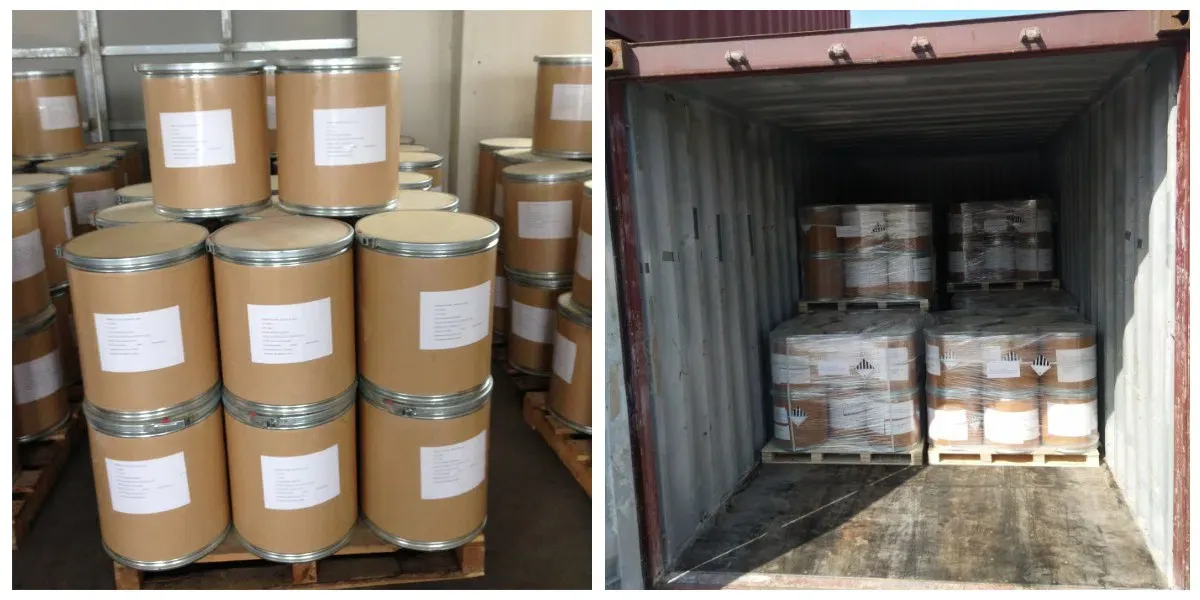
Lead time for shipment
Items in stock: ready for dispatch within 2‑3 working days
Goods from new production batch: delivery lead time 7‑10 working days
Previous item: Fluralaner CAS#864731‑61‑3