Terbinafine, commonly known by the brand name Lamisil, is a high-efficiency second-generation allylamine antifungal compound with superior pharmacological performance compared to traditional naphthifine derivatives. It features an extremely potent in vitro antifungal activity, which is 10 to 100 times stronger than that of conventional analogues, laying a solid foundation for its outstanding clinical and industrial application value.
Distinct from most mainstream antifungal agents including griseofulvin, ketoconazole, and itraconazole that exert only fungistatic effects to inhibit fungal proliferation, Terbinafine delivers thorough fungicidal performance that directly destroys fungal structures. This core advantage greatly shortens the overall treatment cycle, significantly reduces the risk of fungal recurrence, and achieves far more stable and reliable therapeutic effects than common oral and topical antifungal products.
In terms of functional mechanism, Terbinafine acts as a highly selective non-competitive inhibitor of squalene epoxidase, a key enzyme in fungal metabolism. It effectively blocks the synthesis of ergosterol — an indispensable structural component of fungal cell membranes. The interruption of ergosterol synthesis damages fungal cell membrane integrity, disrupts material metabolism and energy circulation of fungal cells, and ultimately leads to fungal inactivation and death, realizing efficient and targeted bacteriostasis and sterilization.
With excellent lipophilic properties, Terbinafine can quickly penetrate and accumulate in the stratum corneum of the skin, subcutaneous sebum, and hair follicle tissues, forming a long-lasting protective and inhibitory layer at the fungal infection site. It maintains stable effective concentration in target tissues for a long time, avoiding frequent drug administration and improving application convenience. In practical application, twice-daily (b.i.d.) dosing provides slightly higher and more stable cure rates than single daily dosing, ensuring optimal treatment outcomes.
Widely recognized for its broad-spectrum activity, high efficacy, low recurrence rate and stable performance, Terbinafine is a core raw material for the preparation of various high-end antifungal oral drugs, topical creams, sprays and pharmaceutical intermediates. It is widely used in the treatment of dermatophyte infections, tinea pedis, tinea corporis, onychomycosis and other superficial fungal diseases, serving as a preferred raw material for modern high-efficiency antifungal pharmaceutical manufacturing.
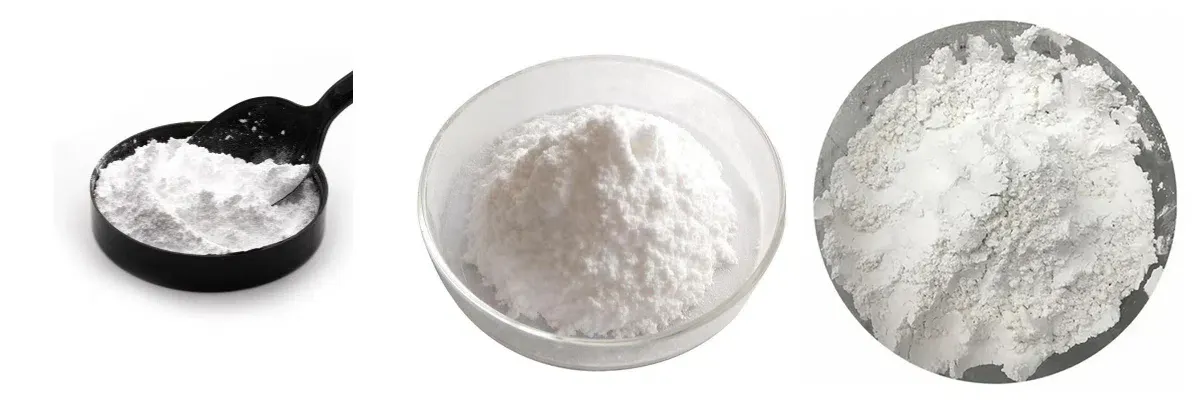
| Terbinafine Chemical Properties |
| Melting point | 203-205 °C |
| Boiling point | 417.9±33.0 °C(Predicted) |
| density | 1.007±0.06 g/cm3(Predicted) |
| vapor pressure | 0Pa at 25℃ |
| storage temp. | 2-8°C |
| solubility | soluble in Methanol |
| pka | 6.92±0.50(Predicted) |
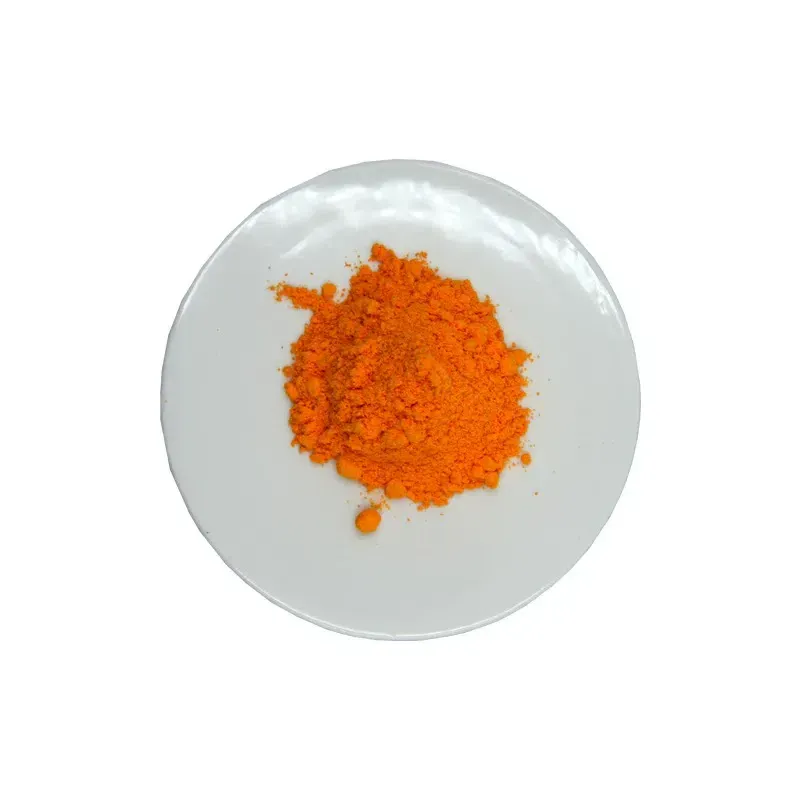
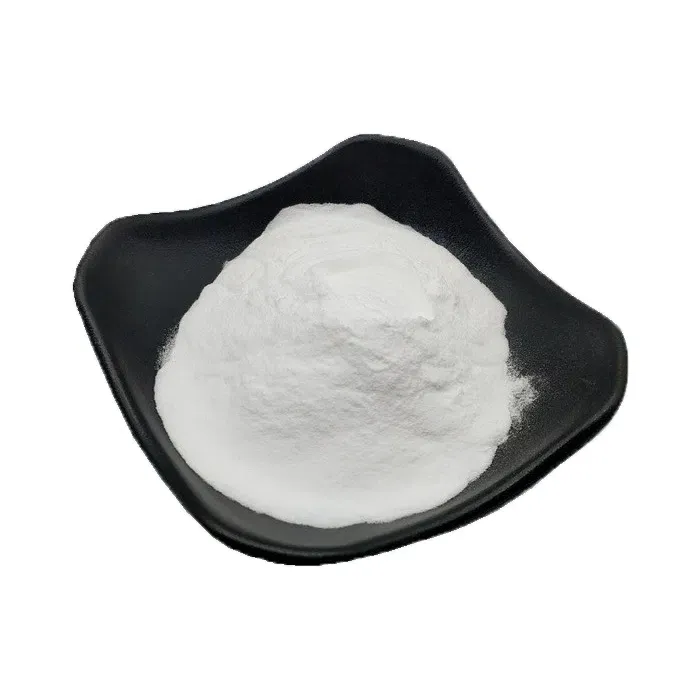
| form | powder to crystal |
| color | White to Light yellow |
| LogP | 3.3 at 37℃ and pH7 |
| CAS DataBase Reference | 91161-71-6(CAS DataBase Reference) |
| Safety Information |
| Hazard Codes | Xi |
| Risk Statements | 36/37/38 |
| Safety Statements | 26-36 |
| HS Code | 2921450090 |