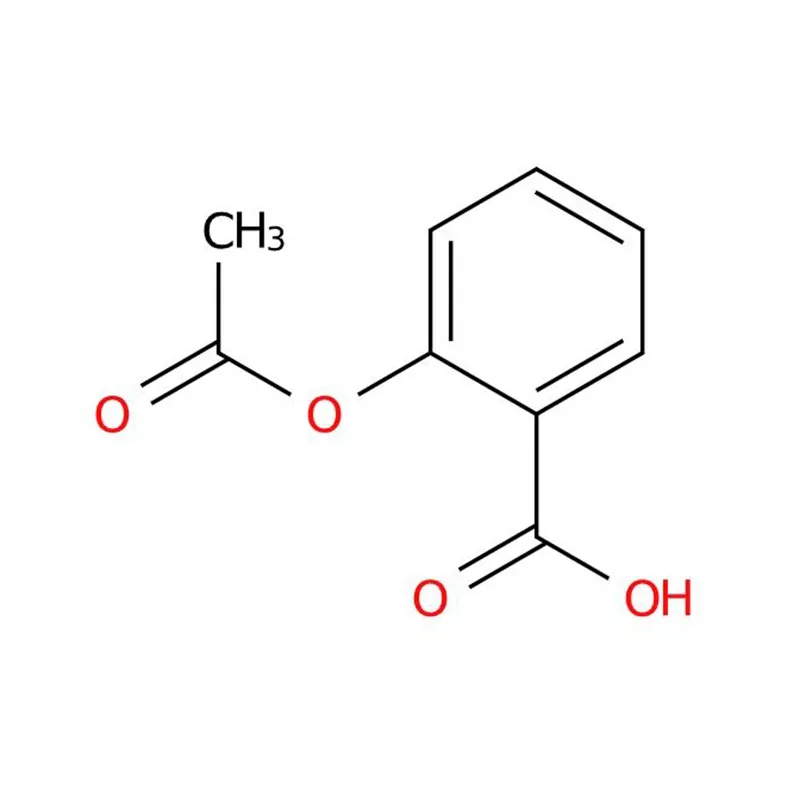
Aspirin, also known chemically as acetylsalicylic acid, belongs to the category of nonsteroidal anti-inflammatory drugs (NSAIDs). It was first put into clinical use mainly for alleviating pain and suppressing inflammatory responses.
In follow-up pharmacological studies, it was discovered that this ingredient can restrain platelet aggregation and prevent blood clot formation, hence achieving prominent anti-thrombotic effects.
With continuous in-depth medical research, more therapeutic values of aspirin have been explored and validated. It is clinically proven to reduce the risk of death caused by myocardial infarction and stroke, delivering reliable protection for cardiovascular health. Besides, long-term standardized intake is verified to help reduce the incidence of colorectal cancer, greatly enriching its application scope in disease prevention and treatment.
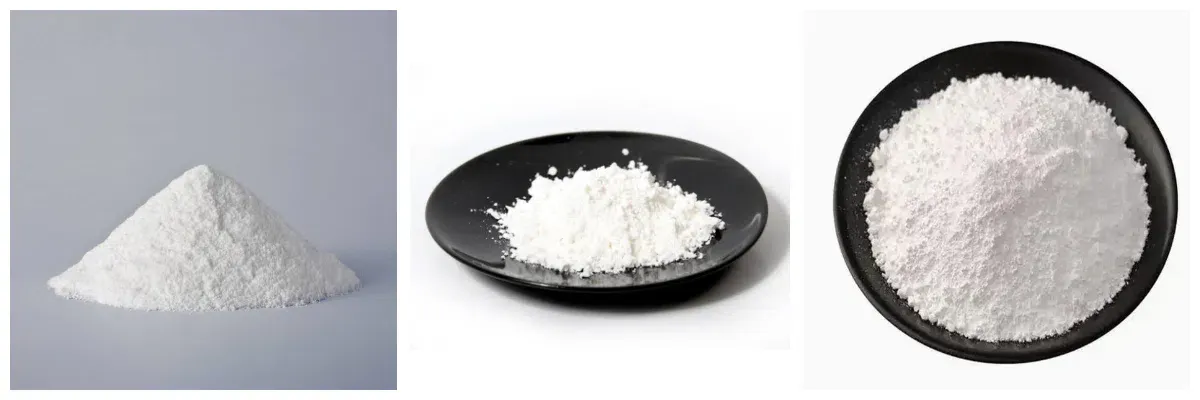
Basic Information
Chemical Name: Acetylsalicylic Acid
Common Name: Aspirin
CAS No.: 50-78-2
Grade: Pharmaceutical Grade / USP / BP / EP / CP
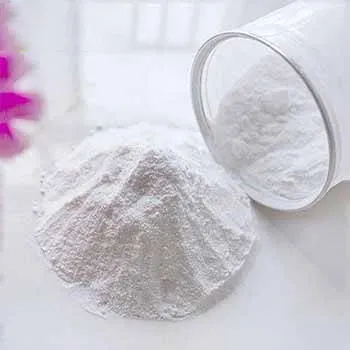
Appearance: White crystalline powder
Solubility: Slightly soluble in water, freely soluble in ethanol
Storage: Sealed, dry and cool environment, away from moisture
| Melting point | 134-136 °C (lit.) |
| Boiling point | 272.96°C (rough estimate) |
| density | 1.35 |
| refractive index | 1.4500 (estimate) |
| Fp | 250 °C |
| storage temp. | 2-8°C |
| solubility | H2O: 10 mg/mL at 37 °C |
| form | crystalline |
| color | white |
| pka | 3.5(at 25℃) |
| biological source | synthetic |
| Water Solubility | 3.3 g/L (20 ºC) |
| ε(extinction coefficient) | 190 at 298nm in aqueous base at 1mM |
| 409 at 231nm in aqueous base at 1mM | |
| 466 at 230nm in aqueous acid at 1mM | |
| 68 at 278nm in aqueous acid at 1mM | |
| Merck | 14851 |
| BRN | 779271 |
| Exposure limits | ACGIH: TWA 5 mg/m3 |
| NIOSH: TWA 5 mg/m3 | |
| BCS Class | 3 |
| Stability: | Stable. Keep dry. Incompatible with strong oxidizing agents, strong bases, strong acids, various other compounds such as iodides, iron salts, quinine salts, etc. |
| InChIKey | BSYNRYMUTXBXSQ-UHFFFAOYSA-N |
| LogP | 1.19 |
| CAS DataBase Reference | 50-78-2(CAS DataBase Reference) |
| NIST Chemistry Reference | Benzoic acid, 2-(acetyloxy)-(50-78-2) |
| EPA Substance Registry System | Aspirin (50-78-2) |
| Safety Information | |
| Hazard Codes | Xn |
| Risk Statements | 22-36/37/38 |
| Safety Statements | 26-36/37/39 |
| OEB | B |
| OEL | TWA: 5 mg/m3 |
| RIDADR | UN 1851 |
| WGK Germany | 1 |
| RTECS | VO0700000 |
| TSCA | Yes |
| HazardClass | 6.1 |
| PackingGroup | III |
| HS Code | 29182210 |
| Hazardous Substances Data | 50-78-2(Hazardous Substances Data) |
| Toxicity | LD50 orally in mice, rats: 1.1, 1.5 g/kg (Hart) |
Our Advantages
High purity & stable batch consistency, each batch attached with formal COA, HPLC test report and SDS.
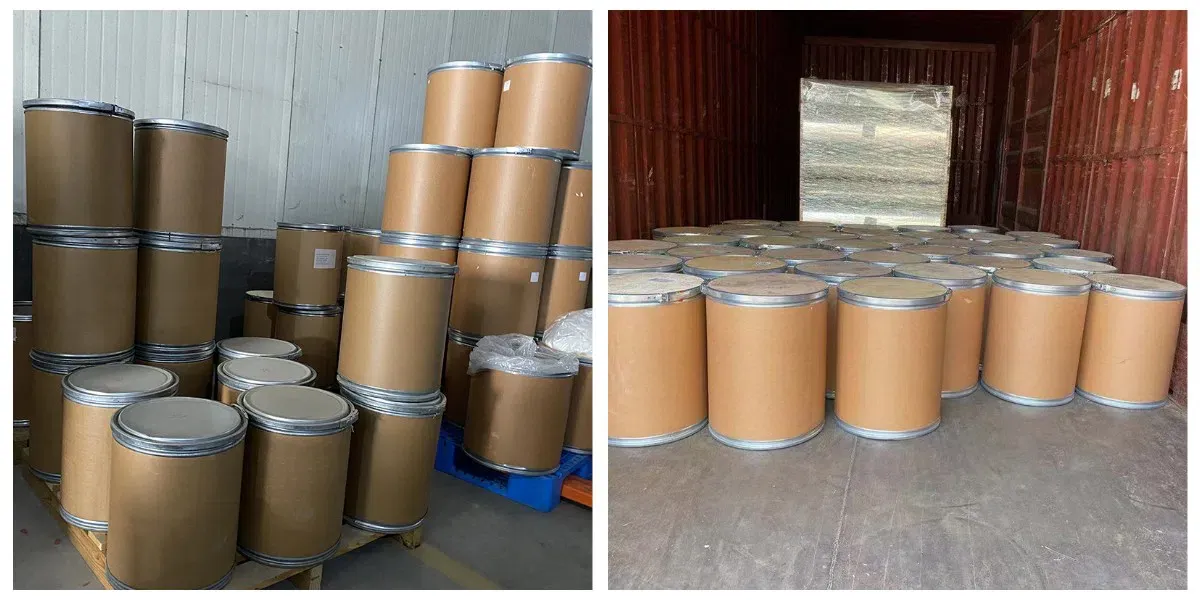
Flexible packaging: 25kg drum, 1kg/5kg small trial package, customized labeling supported.
Fast production & stable supply chain to support long-term framework order cooperation.
Complete export documents, capable of customs clearance and international logistics guidance.