![N-[3-(Trimethoxysilyl)propyl]ethylenediamine CAS#1760-24-3](https://tianjinxinming.cdn.aihuazhi.cn/54/73/3_af4f8a3c0b.webp)
Product Details
Products Description of N-[3-(Trimethoxysilyl)propyl]ethylenediamine (CAS# 1760-24-3)
N-(2-aminoethyl)-3-aminopropyltrimethoxysilane is a highly versatile and efficient silane coupling agent with broad application potential. Its core functionality lies in its ability to establish a strong bond between organic polymers and inorganic materials, making it an indispensable component in various industrial processes.
Primarily, it serves as an effective glass fiber finishing agent, enhancing the adhesion between glass fibers and organic resin matrices. Additionally, it functions as a key crosslinking and curing agent for silicone rubber and silicone resin systems, significantly improving their mechanical strength, durability, and thermal stability.
Beyond these core applications, the product is well-suited for textile finishing treatments, where it imparts desirable surface properties to fabrics. It can also be formulated into amino-modified silicone oils, further expanding its utility in the formulation of high-performance silicone-based materials.
![N-[3-(Trimethoxysilyl)propyl]ethylenediamine CAS#1760-24-3](https://tianjinxinming.cdn.aihuazhi.cn/d2a97bcb38a926f696e090b3205e7227_115c527f7a.webp)
Product Application of N-[3-(Trimethoxysilyl)propyl]ethylenediamine (CAS# 1760-24-3)
Its primary application lies in establishing a strong chemical bond between organic polymers and inorganic materials, which in turn significantly enhances the target polymer’s physical and mechanical properties, electrical performance, water resistance, and aging resistance. The compatible polymers cover a wide range, including thermosetting resins such as epoxy, phenolic, polyurethane, melamine, and nitrile phenolic resins; hot-melt resins like polystyrene, polyvinyl chloride, and polyamide; as well as elastomers including polysulfide rubber and polyurethane rubber.
It is mainly used to optimize the performance of resin laminates, with notable effects on epoxy, phenolic, melamine, and furan resin-based laminates. Additionally, it delivers excellent improvement effects on the performance of polypropylene, polyethylene, polyacrylate, silicone, polyamide, polycarbonate, and polyvinyl cyanide materials.
Moreover, it can serve as a glass fiber finishing agent and is widely applied to silicon-containing materials such as glass beads, precipitated silica, talc, mica, clay, and fly ash. As a high-performance coupling agent, it is extensively utilized in industries including rubber, plastics, glass fiber, coatings, adhesives, and sealants, playing a key role in enhancing product quality and performance across these sectors.
![N-[3-(Trimethoxysilyl)propyl]ethylenediamine CAS#1760-24-3](https://tianjinxinming.cdn.aihuazhi.cn/09ca7e9cd1c3ce6b37575ff988a0826a_d15d8591e5.webp)
N-[3-(Trimethoxysilyl)propyl]ethylenediamine Chemical Properties
| Melting point | 0°C |
| Boiling point | 146 °C15 mm Hg(lit.) |
| Density | 1.028 g/mL at 25 °C(lit.) |
| Vapor pressure | 1.5 hPa (20 °C) |
| Refractive index | n20/D 1.444(lit.) |
| Fp | 220 °F |
| Storage temp. | Store below +30°C. |
| Solubility | Miscible with toluene. |
| Form | Liquid |
| Pka | 10.11±0.19(Predicted) |
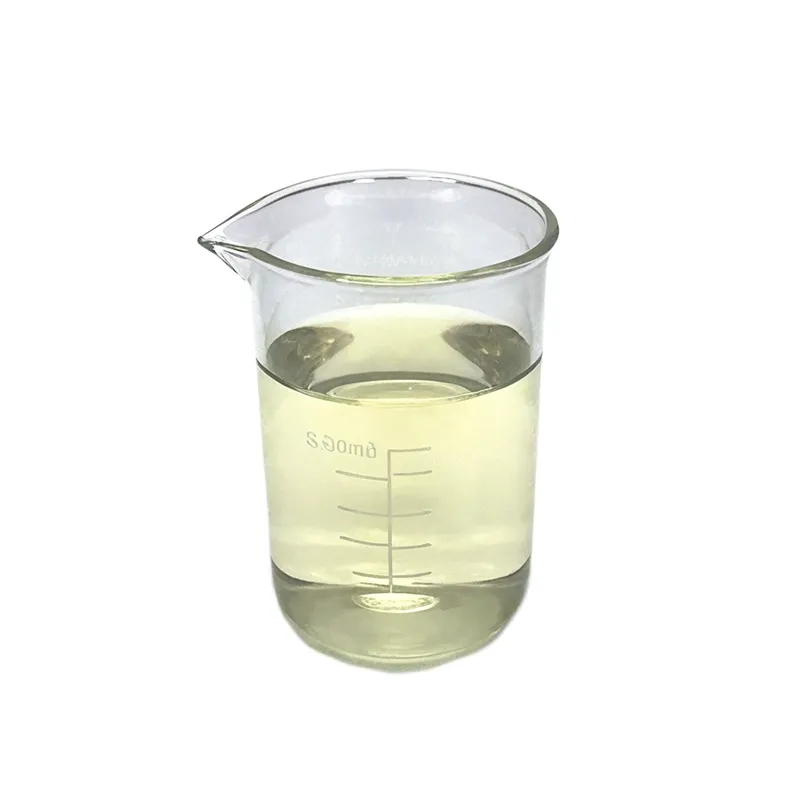
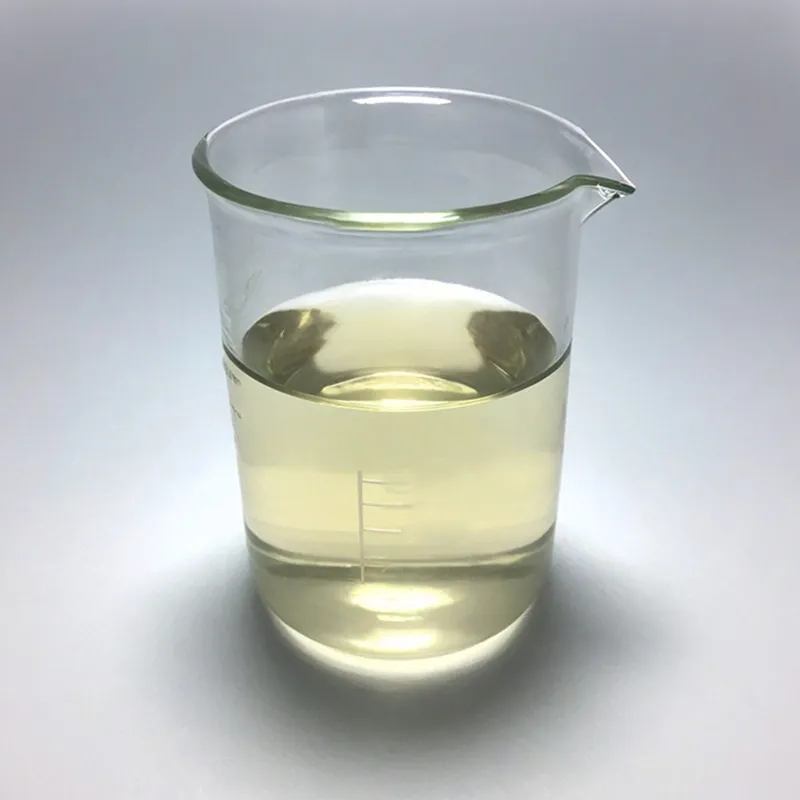
| Color | Clear colorless to light yellow |
| Specific Gravity | 1.01 |
| PH | 10 (10g/l, H2O, 20℃) |
| Water Solubility | REACTS |
| Sensitive | Air & Moisture Sensitive |
| Hydrolytic Sensitivity | 7: reacts slowly with moisture/water |
| BRN | 636230 |
| InChIKey | PHQOGHDTIVQXHL-UHFFFAOYSA-N |
| LogP | -4--0.82 at 20℃ |
| CAS DataBase Reference | 1760-24-3(CAS DataBase Reference) |
| NIST Chemistry Reference | N-(2-Aminoethyl-3-aminopropyl)trimethoxysilane(1760-24-3) |
| EPA Substance Registry System | 1,2-Ethanediamine, N1-[3-(trimethoxysilyl)propyl]- (1760-24-3) |
Safety Information
| Hazard Codes | Xn,Xi |
| Risk Statements | 38-41-43-52/53-42/43-37/38 |
| Safety Statements | 26-39-61-37/39-24-36/37/39-23 |
| RIDADR | UN 3267 8/PG 2 |
| WGK Germany | 3 |
| RTECS | KV7400000 |
| F | 1月10日 |
| Autoignition Temperature | 300 °C |
| TSCA | Yes |
| HazardClass | 8 |
| PackingGroup | III |
| HS Code | 29310095 |
| Toxicity | LD50 orally in Rabbit: 2413 mg/kg LD50 dermal Rat > 2000 mg/kg |