ctivated Carbon CAS#64365-11-3
Activated carbon is an amorphous carbon material, produced by carbonizing wood or other organic raw materials under oxygen‑free conditions. Further high‑temperature activation treatment removes adsorbed volatile substances and develops abundant pore structures. It is widely applied for gas adsorption and impurity removal from liquid systems.
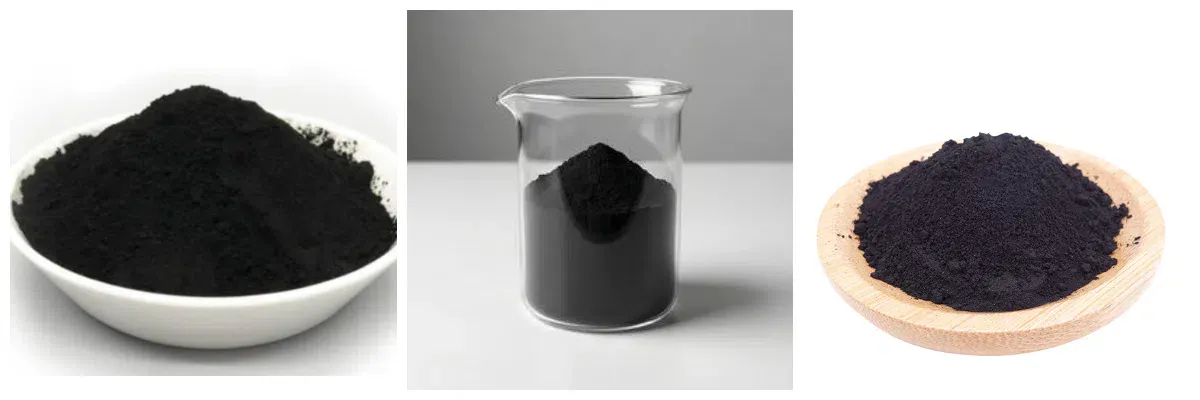
Activated carbon Chemical Properties |
solubility | Practically insoluble in all usual solvents |
form | powder |
Dielectric constant | 12.0(Ambient) |
Safety Information |
Risk Statements | 36/37/38 |
Safety Statements | 22-24/25 |
RIDADR | 1362 |
WGK Germany | 3 |
HazardClass | 4.2 |
PackingGroup | III |
Toxicity | Charcoal that, after pyrolysis during manufacture, has been subjected to steam or air at high temperature, thus making it an efficacious absorber of substances. |
Product Application of Activated Carbon CAS#64365‑11‑3
Activated carbons are internally porous microcrystalline, non‑graphitic forms of carbon. The activated carbons possess large surface area (~1000 m²/g) and pore volumes which make them useful for applications in energy storage devices, catalysis, and for removal of impurities from gases and liquids. Our activated carbon has been modified with Bis(2‑ethylhexyl)phosphate and is well suited for metal ion removal from water.
Product Basic Information
Basic Identifiers
Product Name: Activated Carbon
Synonyms: Activated carbon, plant nutshell; Activated carbon for sugar; Honeycomb activated carbon
CAS: 64365‑11‑3
MF: C
EINECS: 264‑846‑4
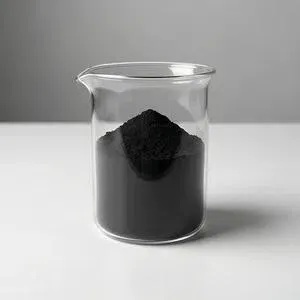
Appearance: Black fine powder or granular solid
MOQ (Minimum Order Quantity): 1 FCL (Full Container Load)
Chemical & Physical Properties
Raw Material: Plant nutshell (coconut shell, walnut shell etc.)
Specific Surface Area: Up to 1000‑1200 m²/g
Iodine Value: 800‑1100 mg/g (customizable)
Methylene Blue Adsorption: 120‑180 mg/g
Moisture: ≤10%
Ash Content: ≤5%
PH Value: 6‑10 (adjustable for food‑grade grade)
Particle Size: 100‑400 mesh for powder type; multiple mesh sizes for granular type
Storage temp: Store in cool, dry, fire‑proof warehouse; sealed storage, away from strong oxidants and open flame
Stability: Chemically stable under normal conditions; combustible; avoid contact with powerful oxidizing substances
Production Preparation Method
Plant nutshell activated carbon is manufactured by two core stages: carbonization and high‑temperature physical activation. Nutshell raw materials are first carbonized under oxygen‑limited high‑temperature environment to form preliminary carbonized material. Steam or flue gas is then introduced for activation treatment to develop abundant micropore and mesopore structures.
For modified activated carbon for heavy‑metal removal, base activated carbon undergoes surface modification with Bis(2‑ethylhexyl)phosphate. After modification, materials go through washing, filtering and drying procedures. Final products can be graded into food‑grade and industrial‑grade via fine screening and impurity control.
Detailed Application Scenarios
Food & Beverage Industry
Sugar decolorization is one of its classic applications. It removes pigment, colloidal impurities and peculiar smell during sugar‑making processing. It is also applied for decolorizing syrup, honey, wine, beverage and edible oil. Food‑grade activated carbon can adsorb trace harmful by‑products and improve product clarity and flavor.
Water Treatment Industry
It is widely used for drinking water deep purification to eliminate residual chlorine, odor, organic pollutants and partial heavy‑metal ions. Modified carbon treated with Bis(2‑ethylhexyl)phosphate delivers enhanced adsorption performance for heavy‑metal ions in industrial wastewater. It works for municipal sewage, electroplating wastewater and mineral processing wastewater to reduce metal ion concentration in effluent.
Gas‑Phase Adsorption & Environmental Protection
It adsorbs VOCs, peculiar smell, harmful volatile gas in factory waste gas. Suitable for solvent recovery, workshop deodorization, air‑purification equipment and exhaust‑gas treatment systems. Honeycomb‑shaped activated carbon variant is adopted for large‑volume flue‑gas purification projects.
Catalysis & Energy Storage
Thanks to huge specific surface area and developed pore structure, it serves as catalyst carrier for multiple chemical synthesis reactions. It is also used as electrode material precursor for super‑capacitors and other energy‑storage devices.
Pharmaceutical & Fine Chemical Industry
Used for decolorization and impurity removal of pharmaceutical intermediate solutions, biological reagent liquid purification. It can adsorb macromolecular pigment and colloidal impurities without introducing extra harmful impurities.
Upstream & Downstream Product Information
Upstream Raw Materials
Plant nutshell raw materials (coconut shell, walnut shell etc.), high‑temperature steam, Bis(2‑ethylhexyl)phosphate (for modified grade), process water.
Downstream Derivatives
Honeycomb activated carbon filter element, water‑treatment filter media, industrial waste‑gas adsorption module, carbon‑based catalyst carrier, electrode raw material for energy‑storage components.
Safety & Handling Information
Activated carbon is low‑hazard substance, but fine powder may generate dust during operation.
Skin contact: Rinse skin with clean water.
Eye contact: Flush eyes with plenty of running water for several minutes.
Inhalation: Move to fresh‑air environment if dust is inhaled.
Ingestion: Drink adequate clean water; seek medical advice if large‑volume intake occurs.
Fire risk: Solid carbon is combustible. Keep away from open fire and strong oxidizing agents during storage and transportation. Dust accumulation may raise dust‑explosion risk; maintain ventilation in workshop.
Personal suggestion: Wear dust‑proof mask and protective goggles during operation.
Packaging & Transportation
Available Packaging Options
Powder activated carbon: 25 kg woven bag with inner PE liner; 500 kg / 1000 kg jumbo bag for bulk shipment
Granular activated carbon: 25 kg kraft woven bag or ton‑bag
Honeycomb activated carbon: Custom carton or wooden case packaging
Lab trial sample: 500 g / 1 kg sealed plastic bag, sample service available. Custom packaging negotiable for special requirements.
Delivery Cycle
Spot inventory order: 2‑3 working days
New customized production batch: 7‑10 working days
Full container sea shipment: Subject to container booking schedule.
Transport Requirement
Belongs to ordinary general chemical goods, non‑dangerous cargo. Keep packages sealed, avoid dampness, high temperature and open flame. Do not transport together with strong oxidants. We can provide MSDS, batch‑by‑batch COA together with goods.
After‑sales Service Support
Document service: Provide COA, MSDS, technical datasheet for each batch free of charge.
Technical support: Our technical team provides pore‑structure selection reference, dosage suggestion and compatibility consultation within 24 working hours.
Quality complaint handling: If confirmed quality defects exist upon receipt of goods, solutions including re‑delivery, goods exchange or partial refund can be offered. Customers need to provide photos, videos and order information within 7 days after receiving goods. Damages caused by improper storage, misuse or secondary processing are not covered by replacement service, yet technical guidance will still be supplied.
Sample service: Small test samples can be supplied for lab evaluation before bulk purchasing.
Customer Application Cases
Case 1: Sugar‑processing enterprise (food‑grade powdered nutshell activated carbon)
A sugar‑manufacturing plant adopts our food‑grade nutshell activated carbon for syrup decolorization. It effectively removes brown pigment and colloidal impurities, improving the transparency of finished sugar, and meets food‑safety index requirements.
Case 2: Electroplating wastewater treatment factory (Bis(2‑ethylhexyl)phosphate modified activated carbon)
Our modified activated carbon is applied for heavy‑metal ion removal of electroplating wastewater. It achieves stable heavy‑metal adsorption effect and helps the wastewater meet discharge standards.
Case 3: Environmental‑protection equipment manufacturer (honeycomb activated carbon)
Honeycomb activated carbon is supplied for industrial waste‑gas VOCs‑removal equipment. It possesses stable gas‑phase adsorption performance and long service cycle for continuous‑running exhaust‑gas projects.
FAQ Frequently Asked Questions
Q1: What is the difference between powdered activated carbon and granular activated carbon?
A: Powder‑type activated carbon features fine particle size, fast adsorption speed, mainly used for liquid‑phase decolorization and purification. Granular activated carbon owns better permeability, mostly applied for water‑filtering equipment and gas‑phase adsorption.
Q2: What is modified activated carbon? What is it used for?
A: Modified activated carbon refers to base carbon treated with Bis(2‑ethylhexyl)phosphate or other modifying agents. Its surface functional groups are adjusted to strengthen selective adsorption capacity for heavy‑metal ions in water.
Q3: Can activated carbon be regenerated for repeated use?
A: Granular activated carbon can be regenerated by high‑temperature thermal‑regeneration process after adsorption saturation. Powder‑type activated carbon is generally disposable.
Q4: What certificates can you offer?
A: Batch‑wise COA and MSDS can be provided. Food‑grade products can meet relevant food‑additive standards; customized indexes can be produced according to customer specifications.
Q5: What is the shelf‑life of activated carbon?
A: Under sealed, cool‑dry storage condition, shelf‑life is 24 months. Once opened, please finish usage as soon as possible to avoid absorbing moisture and impurities in air which will reduce adsorption performance.
Factory & Equipment Show
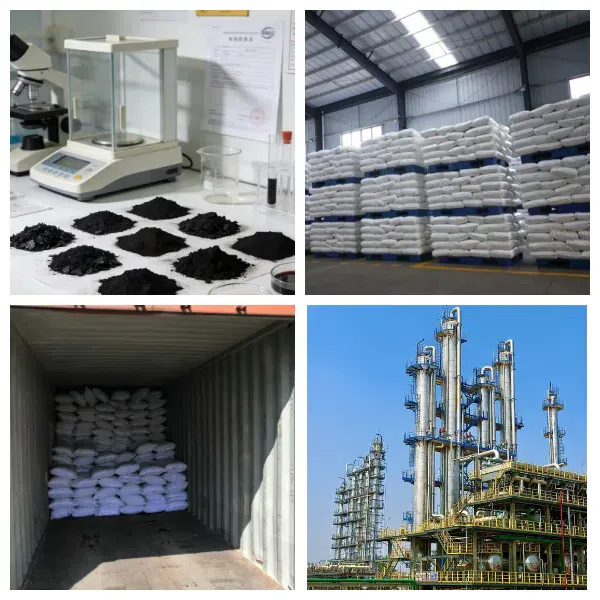
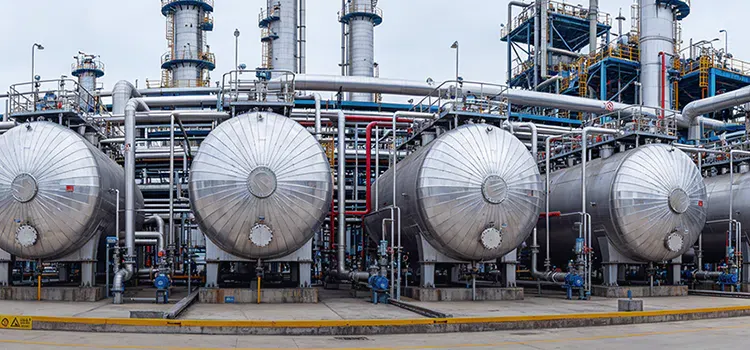
Our production workshop is equipped with carbonization furnaces, high‑temperature activation furnaces, surface‑modification reaction units, crushing‑screening systems and drying equipment. Strict lab sampling and finished‑product inspection are carried out before goods delivery, to guarantee stable batch‑to‑batch performance.
Fast delivery time
Inventory 2‑3 working days New production 7‑10 working days