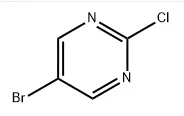
5-Bromo-2-chloropyrimidine CAS#32779-36-5
5-Bromo-2-chloropyrimidine is a halogenated pyrimidine analogue containing chloro and bromo substituents at positions 2 and 5 of the pyrimidine ring structure. The compound is used as a critical pharmaceutical intermediate in the preparation of macitentan, an endothelin receptor antagonist drug for the treatment of pulmonary hypertension. Its two distinct halogen leaving groups enable selective nucleophilic substitution reactions, offering great flexibility for further structural modification during synthetic routes. It is also documented as Macitentan Impurity 27 and Macitentan Intermediate 5 in relevant technical literature, widely adopted by fine chemical and pharma synthesis teams for process development and commercial production.
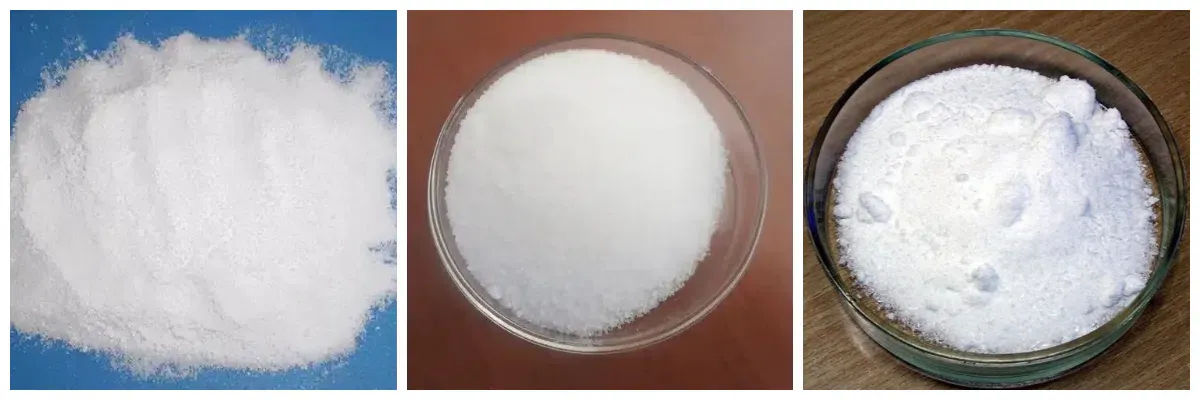
| 5-Bromo-2-chloropyrimidine Chemical Properties |
| Melting point | 73-79 °C (lit.) |
| Boiling point | 95°C 15mm |
| density | 1.859±0.06 g/cm3(Predicted) |
| Fp | 95°C/15mm |
| storage temp. | Keep in dark place,Sealed in dry,Room Temperature |
| solubility | soluble in Methanol |
| pka | -2.84±0.22(Predicted) |
| form | Crystalline Powder |
| color | Off-white to beige |
| Water Solubility | insoluble |
| BRN | 507955 |
| Stability: | Hygroscopic |
| InChI | InChI=1S/C4H2BrClN2/c5-3-1-7-4(6)8-2-3/h1-2H |
| InChIKey | XPGIBDJXEVAVTO-UHFFFAOYSA-N |
| SMILES | C1(Cl)=NC=C(Br)C=N1 |
| CAS DataBase Reference | 32779-36-5(CAS DataBase Reference) |
| Safety Information |
| Hazard Codes | Xi |
| Risk Statements | 36/37/38 |
| Safety Statements | 26-36/39-37/39-36 |
| RIDADR | UN 3335 |
| WGK Germany | 3 |
| HazardClass | IRRITANT |
| HS Code | 29335990 |
5-Bromo-2-chloropyrimidine | CAS#32779-36-5
H2: Product Overview
5-Bromo-2-chloropyrimidine is a difunctional halogenated pyrimidine building block with orthogonal reactivity of C2-Cl and C5-Br. The two halogen atoms show distinct reaction selectivity, supporting sequential nucleophilic substitution and transition-metal catalyzed cross-coupling. It is widely used in early-stage drug discovery, CRO synthesis and heterocyclic chemistry research for constructing pyrimidine-based active skeletons.
H2: Product Application
H3: Kinase Inhibitor & Small-Molecule Drug Synthesis
It serves as a core pharmaceutical intermediate for the synthesis of various inhibitor candidates. Chemists take advantage of the selective reaction difference between bromine and chlorine to introduce amine, aryl and heteroaryl groups step by step, which is critical for structure-activity relationship (SAR) study of kinase inhibitors and receptor antagonists. It is also a verified starting material for the synthesis of macitentan, an endothelin receptor antagonist for pulmonary hypertension treatment.
H3: Selective Cross-Coupling Chemistry
This substrate is well known for cross-coupling reactions of indium organometallics with 2,5-dihalopyrimidines, applied in the total synthesis of natural marine alkaloid Hyrtinadine A. Besides indium-mediated coupling, it is frequently used in Suzuki-Miyaura, Stille and Buchwald-Hartwig reactions. Normally C5-Br reacts preferentially in palladium-catalyzed coupling, while C2-Cl remains reserved for later SNAr modification to achieve multi-site derivatizationACS Public....
H3: Heterocyclic Building Block for Medicinal Chemistry Library
It is a standard monomer for building pyrimidine compound libraries. Researchers rapidly generate diversified pyrimidine derivatives for high-throughput bioactivity screening, covering anti-tumor, anti-inflammatory and CNS target screening programs.
H3: Life Science & Chemical Biology Research
Applied in probe molecule synthesis for chemical biology. Pyrimidine scaffolds are common bioisosteres; derivatives made from this material can act as molecular probes to bind target proteins and assist target verification.
H3: Agrochemical Lead Compound R&D
The pyrimidine ring is a privileged skeleton in agrochemicals. 5-Bromo-2-chloropyrimidine is adopted to synthesize new fungicide and insecticide lead structures, used for modification and activity evaluation in crop protection laboratories.
H2: Product Specifications
CAS No.: 32779-36-5
Molecular Formula: C₄H₂BrClN₂
Molecular Weight: 193.43
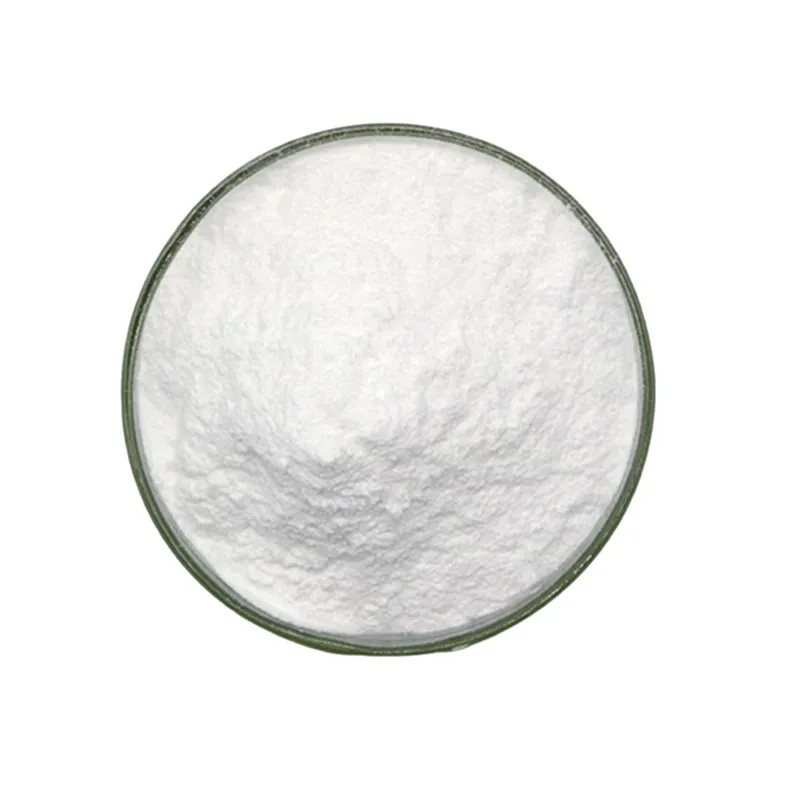
Appearance: White to off-white crystalline powder
Purity: ≥97% GC / HPLC; custom grade 98%, 99% available
Melting Point: 73–79 ℃
Boiling Point: 95 ℃ @15 mmHg
Solubility: Soluble in DCM, THF, dioxane, methanol; slightly soluble in water
Storage Condition: Sealed, dry, dark environment
Shelf Life: 12 months under proper storage
H2: Packaging & Transportation
H3: Available Packing Options
Lab small packing: 5g, 10g, 25g, 100g, 500g amber glass bottle
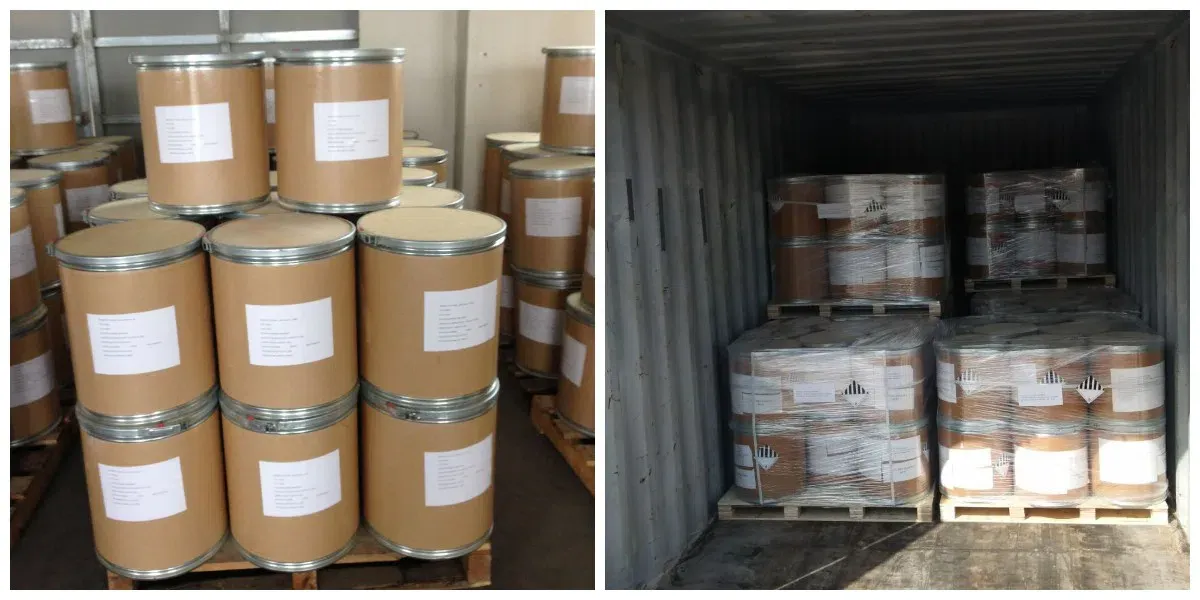
Bulk packing: 1kg, 5kg, 25kg aluminium foil bag / HDPE drum with inner double bag
Custom packing: Special packing for GLP research or export requirement is acceptable
All packages are labelled with GHS hazard label, batch number, CAS and production date.
H3: Transport Guidance
This product is an organic halogen solid. It is classified as non-dangerous goods for sea and land shipment in most regions. For air shipment, local airline regulations need to be confirmed in advance. During transit, keep away from strong oxidants, strong acid and moisture; avoid heavy extrusion and package breakage. We can provide full set of customs documents: COA, MSDS, packing list, commercial invoice.
H3: Storage Requirement
Store in cool, dry and dark warehouse. Keep container tightly closed. Moisture and prolonged light exposure may trigger hydrolysis and reduce purity. Separate from food, feed and incompatible chemicals.
H2: Lead Time & Inventory Schedule
H3: In-Stock Order
Goods ready in warehouse: 2–3 working days after payment confirmation.
H3: New Production Order
Out-of-stock items or custom purity batches: 7–10 working days for synthesis, purification and QC release.
H3: Large Bulk Order
Orders above 100kg will be scheduled separately; we will confirm production timeline and reserve capacity in advance.
H2: Quality Control & Supporting Documents
Routine batch test: GC/HPLC purity, melting point, appearance.
Standard free documents: COA, MSDS.
Optional extra testing: NMR, moisture, heavy metal, residue on ignition.
Third-party inspection: SGS or CCIC pre-shipment inspection can be arranged as requested. Every batch keeps complete testing record and batch traceability.
H2: After-sales Service
Quality recheck: If quality deviation matches the complaint evidence against the issued COA, we support sample review, rework or replacement solution.
Technical support: Our chemist team offers support on reaction selection, handling precaution and solvent compatibility.
Shipment tracking: Logistics update and tracking number will be sent once cargo departs.
Long-term cooperation: Stable contract price and priority inventory reservation for regular clients.
H2: Customer Case Reference
H3: University Organic Chemistry Lab
Small batch recurring supply for methodology research. Customers use it to develop new selective coupling protocols and publish papers. Stable batch consistency reduces repeated condition optimization.
H3: CRO & Drug Discovery Company
Used for parallel synthesis of inhibitor libraries. We provide small aliquot packing and strict batch traceability to fit GLP research requirements.
H3: Fine Chemical Intermediate Manufacturer
Bulk supply for downstream pyrimidine intermediate production. Flexible packing and fixed-cycle delivery plan help their production scheduling.
H2: FAQ
H3: Q1: Can I get a free sample?
A: Small evaluation sample is available; freight cost will be borne by the buyer.
H3: Q2: Which halogen reacts first in coupling?
A: Generally, C5-Br prefers palladium-catalyzed cross-coupling; C2-Cl is more suitable for nucleophilic aromatic substitution. This site selectivity makes it ideal for stepwise modification.
H3: Q3: What is the MOQ?
A: Lab grade MOQ starts from 5g; bulk order MOQ is 25kg.
H3: Q4: Can you quote under CIF / DDP terms?
A: Yes, we support EXW, FOB, CIF, DAP and DDP quotation for most destination countries.
H3: Q5: Will it degrade easily during storage?
A: It is stable if kept sealed away from light and moisture. Long-term exposure to humid air will cause hydrolysis and reduce purity.
H2: Related Product Navigation
Previous item: Ammonium ferric citrate CAS#1185-57-5