Products Description of CETEARYL ALCOHOL CAS#8005-44-5
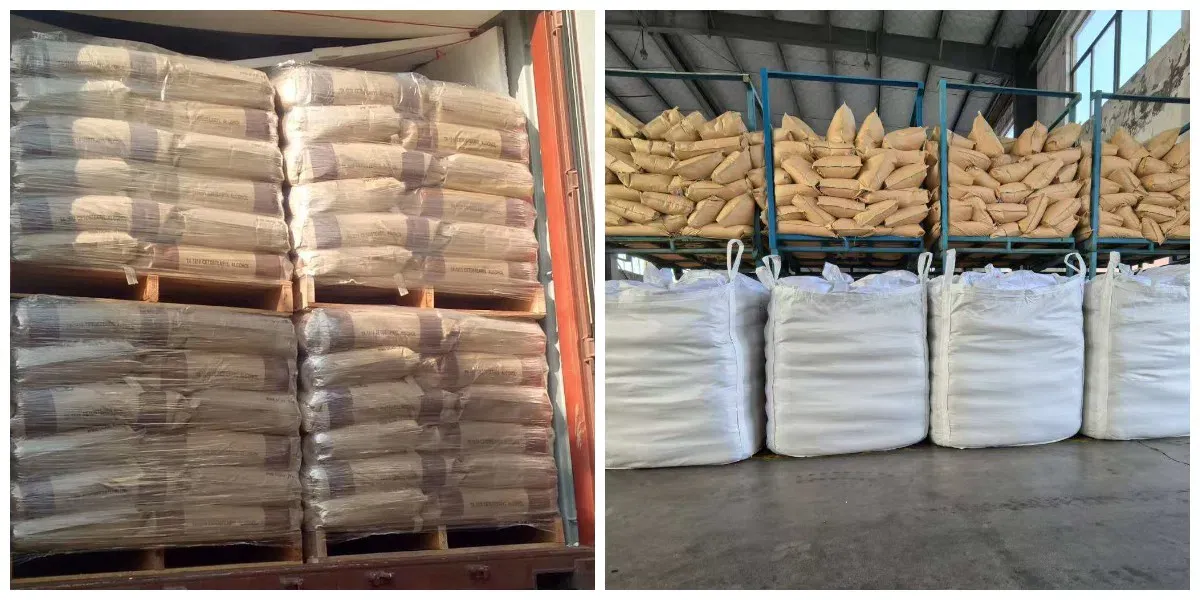
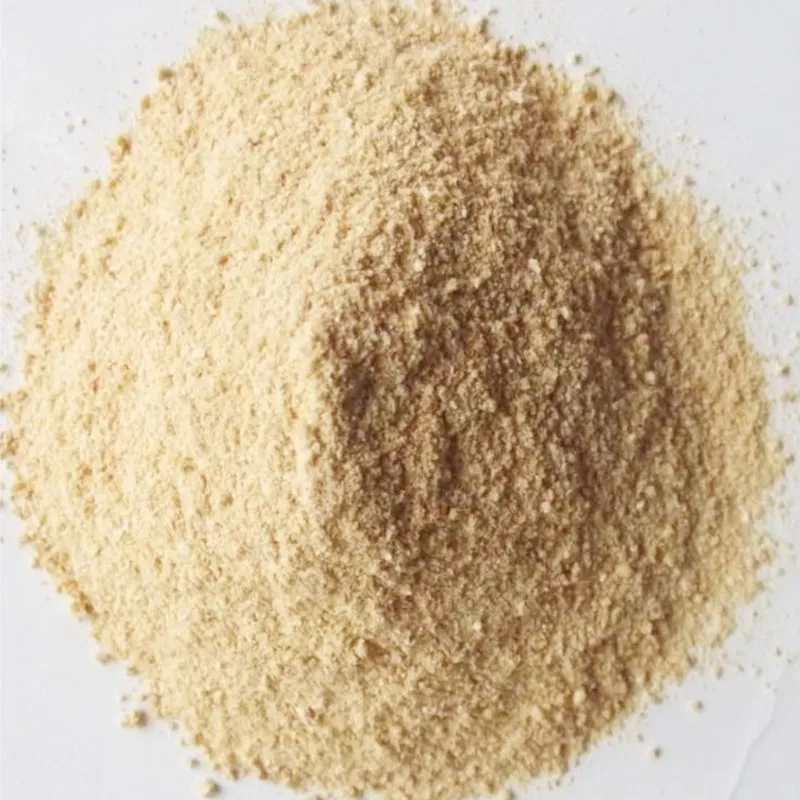
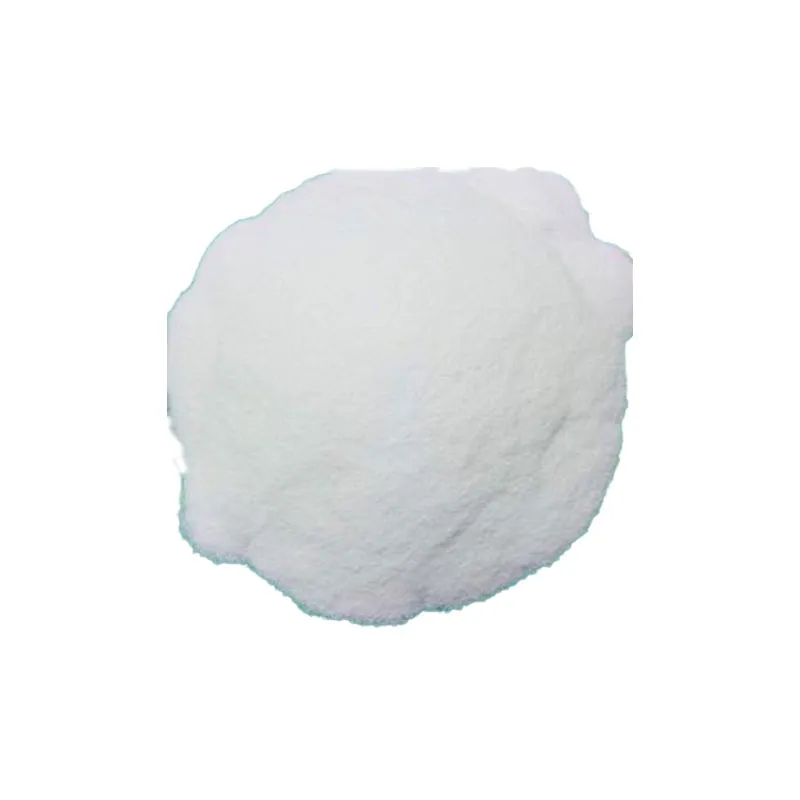
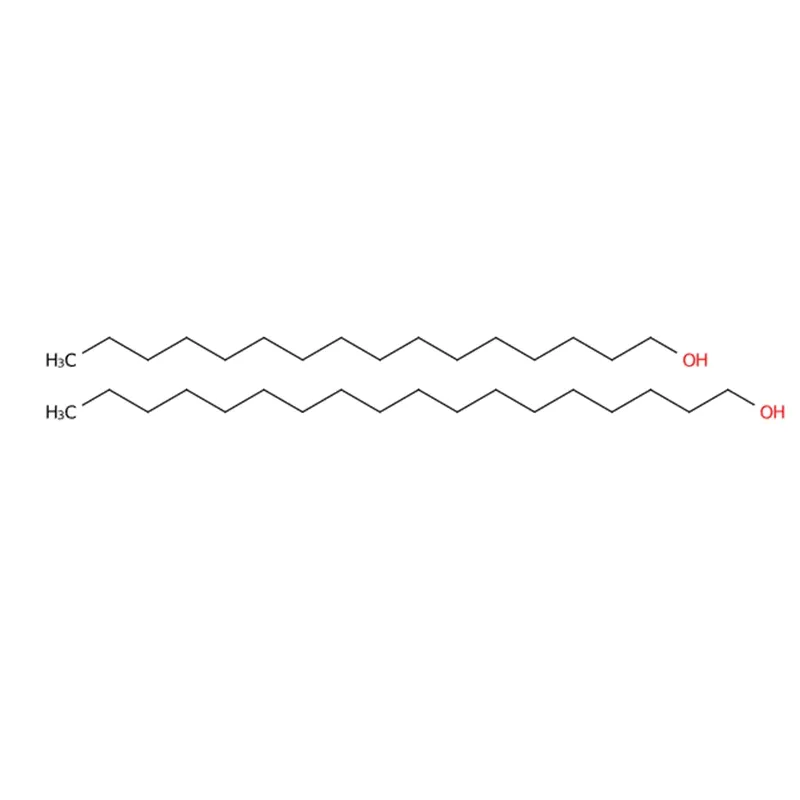
Cetearyl alcohol is a compound mixture of cetyl alcohol and stearyl alcohol, mainly produced by hydrogenation of plant-based fatty oils. It appears as neat white flakes, particles or solid blocks with faint fatty odor, indicating high purity and consistent quality between different batches. When heated to its melting point, it transforms into clear and homogeneous oily liquid that can blend perfectly with mineral oil, plant oils and other lipophilic ingredients for oil-phase preparation.
This material dissolves freely in ethanol and other organic solvents for flexible formula design, while it is nearly insoluble in water. Incorporated into emulsified formulas, it effectively strengthens structural stability, avoids delamination and separation, and endows finished goods with better water resistance. It serves as a common emollient, thickener and auxiliary emulsifier in facial creams, body lotions, hair conditioners and sunscreen products. It is also widely adopted as an ointment base in topical pharmaceuticals, as well as a lubricant and softening additive in textile, plastic and coating industries.
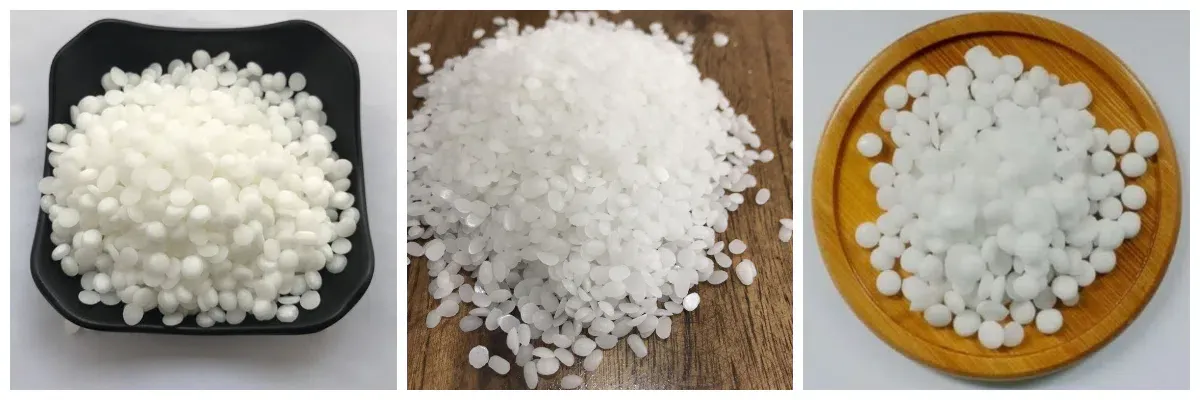
CETEARYL ALCOHOL Chemical Properties
| English Name | CETEARYL ALCOHOL |
| English Synonyms | LANETTE AOK;CETYL ALCOHOL - STEARYL ALCOHOL;CETYLSTEARYL ALCOHOL;hexadecan-1-ol,octadecan1-ol;CETOSTEARYL ALCOHOL;C16-C18 n-Hexadecyl-stearyl alcohol (mixed);CETOSTEARYLALCOHOL,NF;DEH YQUARTD |
| CAS Number | 8005-44-5 |
| Molecular Formula | C16H340 |
| Molecular Weight | 242.440002441406 |
| EINECS Number | 267-008-6 |
| Solubility | Soluble in ethanol (95%), ether, and oil; practically insoluble in water. |
| InChI | InChI=1S/C18H38O.C16H34O/c1-2-3-4-5-6-7-8-9-10-11-12-13-14-15-16-17-18-19;1-2-3-4-5-6-7-8-9-10-11-12-13-14-15-16-17/h19H,2-18H2,1H3;17H,2-16H2,1H3 |
| InChIKey | UBHWBODXJBSFLH-UHFFFAOYSA-N |
| SMILES | C(O)CCCCCCCCCCCCCCC.C(O)CCCCCCCCCCCCCCCCC |
| CAS DataBase Reference | 8005-44-5(CAS DataBase Reference) |
Product Application of CETEARYL ALCOHOL CAS#8005-44-5
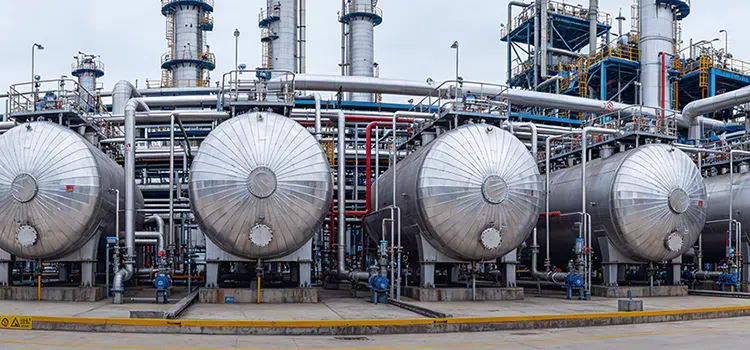
Raw coconut oil undergoes continuous hydrogenation reaction with copper-chromium catalyst to synthesize mixed fatty alcohols ranging from C8 to C18 carbon chains. Meanwhile, the glycerin contained in coconut oil will be converted into isopropanol and water via hydrogenation reaction.The crude mixed fatty alcohol is processed via atmospheric distillation to strip off residual water and isopropanol. Afterwards, vacuum rectification is carried out to fractionate the mixture into three groups: C8-C10, C12-C14 and C16-C18 fatty alcohols. We can supply complete MSDS, safety specification documents as well as detailed information on upstream raw materials and downstream derivative products of cetearyl alcohol.