Basic Properties
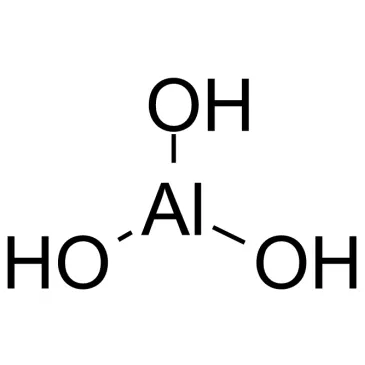
Formula: Al(OH)₃
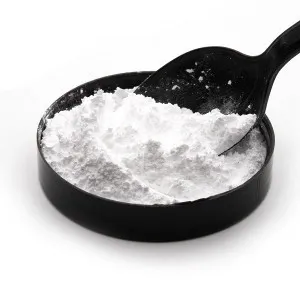
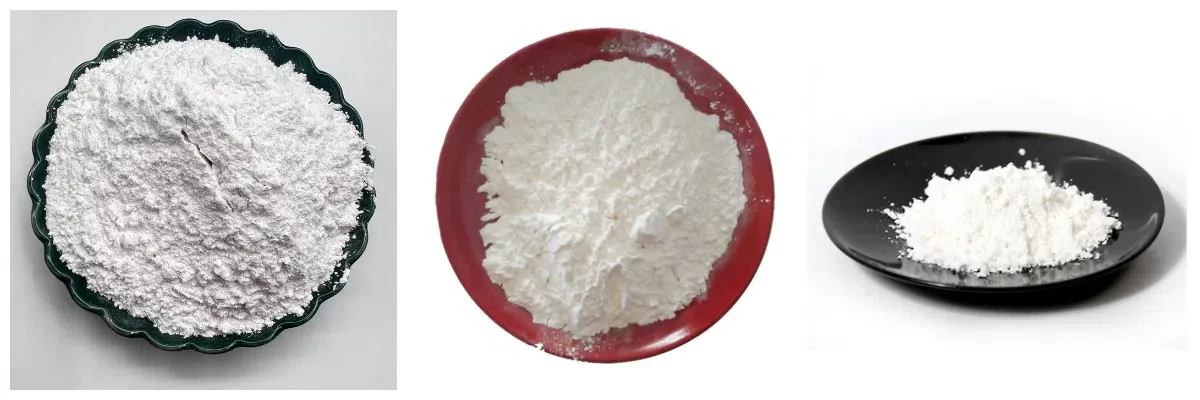
White crystalline powder, insoluble in water but soluble in acid and alkali, belonging to amphoteric hydroxide. It will dehydrate into alumina when heated, which makes it a key feedstock for alumina manufacturing.
Amphoteric Chemical Traits
It neutralizes acids to form aluminum salts and water, and reacts with strong bases to produce aluminate solutions. Though also named aluminic acid (H₃AlO₃) for its weak acidity, its real alkaline product is( [Al(OH)₄]⁻), so it is generally recognized as HAlO₂·H₂O .
Physical Index & High-Temperature Application
Mohs hardness: 2.5~3.5
Solubility in water (20℃): <0.1 mg/mL.
Calcination above 200℃ enables controlled dehydration into γ-Al₂O₃, the primary starting material for electrolytic aluminum production via Hall-Héroult technique.
Advanced Technical Parameters
| Property | Technical Specification |
| BET Surface Area | 3-40 m²/g (adjustable via precipitation) |
| Oil Absorption | 45-65 mL/100g |
| Dielectric Constant | 6.5-7.2 (1 MHz) |
| Decomposition Temp | 180°C (onset), 300°C (complete) |
| Particle Morphology | Hexagonal platelets (1-80 μm), spherical nanoforms |
Industrial Application & Technical Advantages
1. High-Grade Flame Retardant Material
It absorbs massive heat via endothermic decomposition with a heat absorption value of 1.17 kJ/g and releases water vapor during decomposition, cutting smoke emission by over 60%.
When added into EVA cable materials with a filling proportion of 60%~65%, the finished composite material can reach UL 94 V-0 top flame retardant standard.
2. Pharmaceutical Field Core Material
Antacid raw material: Effectively neutralize gastric hydrochloric acid, produce little excess gas, and stabilize the system pH value within 6.5~7.5.
Vaccine adjuvant: Trigger the activation of NLRP3 inflammasome pathway to boost antigen delivery efficiency and immune response effect.
3. Ceramic Production & Catalyst Industry
Catalyst support: With purity exceeding 99.8%, it serves as ideal carrier material for hydrodesulfurization reaction catalysts.
High-performance ceramics: Acts as key precursor to fabricate transparent alumina products, whose straight-line light transmittance exceeds 80% under 640 nm wavelength.
4. Eco Environmental Pollution Treatment
Fluoride ion adsorption: Maximum adsorption capacity hits 15 mg per gram under pH 5.5 working condition.
Acid wastewater disposal: Neutralize sulfuric acid in acid mine wastewater synchronously, and realize sedimentation separation of heavy metal pollutants.
Packaging Solutions
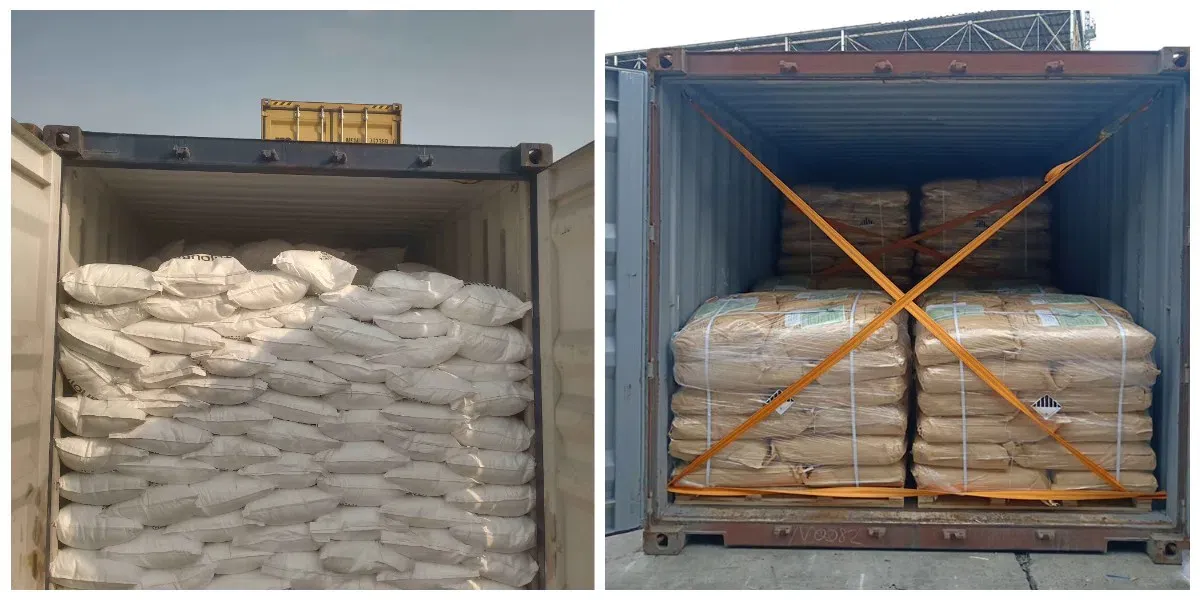
We offer flexible packaging options tailored to different order volumes and transportation needs, ensuring product integrity during transit:
Small Batch Packaging: Triple-layer kraft paper bags with a net weight of 25kg per bag, featuring strong tear resistance and moisture-proof performance to prevent product contamination.
Bulk Packaging: Polyethylene-lined bulk bags (FIBC) with a loading capacity of 1,000kg per bag, suitable for large-scale industrial procurement, reducing packaging and transportation costs.
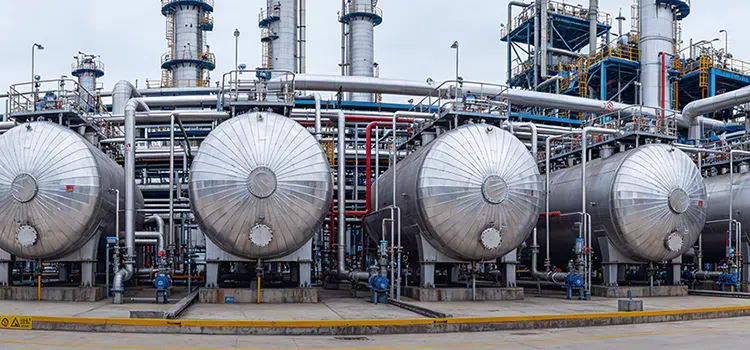
Large-Scale Liquid Transportation: ISO tank containers, ideal for bulk liquid products, ensuring safe, sealed and efficient long-distance transportation.
Storage Requirements & Shelf Life
To maintain product performance stability, strict adherence to the following storage conditions is required:
The product has a shelf life of 24 months when stored in a dry, well-ventilated environment with a temperature below 30°C and relative humidity (RH) less than 50%. It is critical to avoid direct exposure to carbon dioxide (CO₂) during storage, as this may affect the product's chemical properties and application effects.
Handling & Safety Specifications
We strictly comply with international transportation safety standards to ensure the safety of the entire logistics chain:
IMDG Classification: Classified as Class 9 IMDG (Miscellaneous Dangerous Goods), which is not restricted for transportation, simplifying customs clearance and transportation procedures.
Dust Explosion Risk: Rated as dust explosion class St-1, with a maximum rate of pressure rise (Kst) less than 200 bar·m/s, indicating a low dust explosion risk. Proper ventilation and dust control measures should be taken during loading, unloading and handling to ensure operational safety.