Products Description of Eucalyptus Oil CAS#8000-48-4
Eucalyptus oil ranks as one of the most versatile and commonly applied natural essential oils across global industries. As confectionery products such as hard candies and chewing gum gain larger market demand worldwide, this oil has become a preferred food-grade flavor additive. Its unique crisp, minty and cooling taste can effectively neutralize odd odors and bring a long-lasting refreshing sensation in the mouth, which greatly enriches the taste layer of food products. Meanwhile, its pure, bright and invigorating aromatic note is highly favored by fragrance manufacturers, making it a classic base material for developing various compound essences.
This natural essential oil also enjoys broad application prospects within the daily chemical field. It is a classic functional ingredient added into toothpaste, mouthwash and breath fresheners to eliminate oral odor and inhibit harmful bacteria inside the mouth. Moreover, it is widely incorporated into household disinfectants, multi-purpose cleaners and air fresheners for deodorization and sterilization, and it is also frequently adopted in perfume and aromatherapy formulas to create natural, clean-scented works.Furthermore, eucalyptus oil possesses prominent antibacterial, anti-inflammatory and antiviral activity. In pharmaceutical production, it is often formulated into throat lozenges, cough syrups and external rubbing ointments, specially targeting symptoms triggered by upper respiratory tract infections such as nasal congestion, sore throat and persistent cough, effectively relieving respiratory discomfort and assisting physical recovery.
Eucalyptus oil Chemical Properties
| Boiling point | 200 °C |
| Density | 0.909 g/mL at 25 °C |
| Refractive index | n20/D 1.46 |
| FEMA | 2466 | EUCALYPTUS OIL (EUCALYPTUS GLOBULUS LABILLE) |
| Fp | 135 °F |
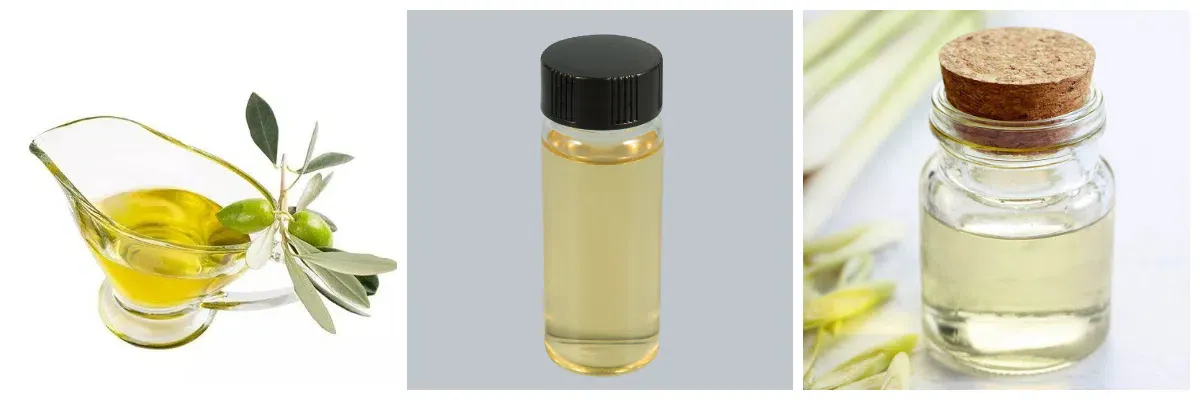
| Form | Liquid |
| Color | Colourless to pale yellow |
| Odor | at 100.00 %. eucalyptus |
| Odor Type | herbal |
| Dielectric constant | 4.84 |
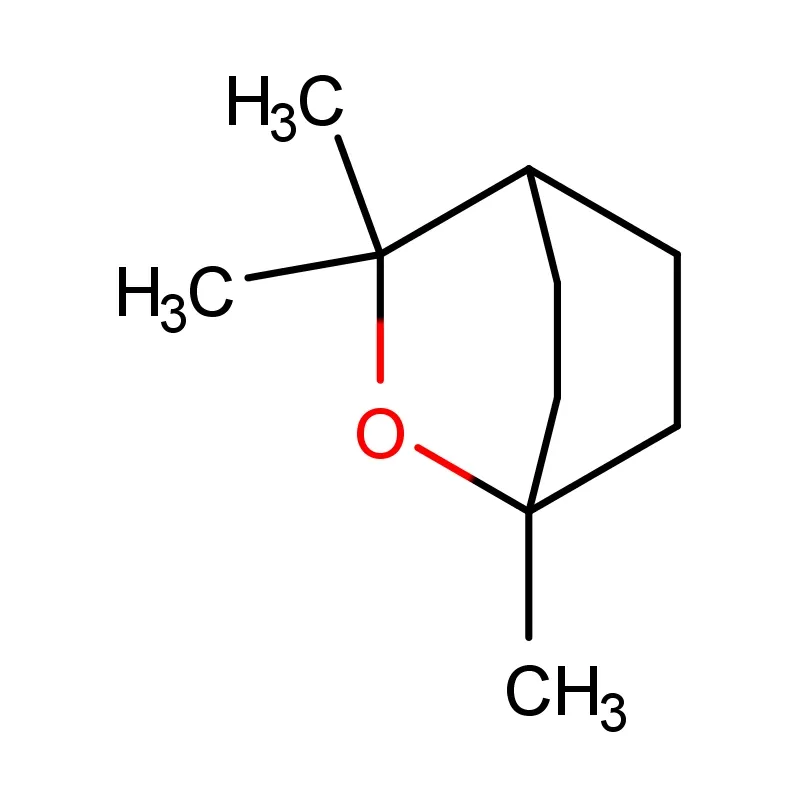
| InChI | InChI=1S/C10H18O/c1-9(2)8-4-6-10(3,11-9)7-5-8/h8H,4-7H2,1-3H3 |
| InChIKey | WEEGYLXZBRQIMU-UHFFFAOYSA-N |
| SMILES | C12(C)CCC(CC1)C(C)(C)O2 |
| CAS DataBase Reference | 8000-48-4(CAS DataBase Reference) |
| EPA Substance Registry System | Eucalyptus oil (8000-48-4) |
| Hazard Codes | Xi |
| Risk Statements | 10-38 |
| Safety Statements | 16-26-36 |
| RIDADR | UN 1993 3/PG 3 |
| WGK Germany | 2 |
| RTECS | LE2530000 |
| HazardClass | 3.2 |
| PackingGroup | III |
| HS Code | 33012960 |
| Toxicity | The acute oral LD50 value of eucalyptol was reported as 2480 mg/kg in the rat (Jenner, Hagan, Taylor, Cook & Fitzhugh, 1964). The acute dermal LD50 in rabbits exceeded 5 g/kg (Moreno, 1973). |
Product Application of Eucalyptus Oil CAS#8000-48-4
Serving as a potent antibacterial raw material, eucalyptus oil enjoys broad usage within the pharmaceutical field to mitigate respiratory tract infections and associated ailments. It acts as a key functional ingredient in nasal rinses and sinus sprays, and is regularly incorporated into cough syrups and topical ointments to unclog airways and relieve labored breathing.
Besides medicinal use, this essential oil is a staple material in aromatherapy thanks to its uplifting and revitalizing aroma. It is capable of soothing cutaneous inflammation and easing discomfort caused by rheumatism. Ideal for body massage, spa hydrotherapy and athletic massage care, it works well to soothe sore muscles and dispel physical tiredness. What’s more, eucalyptus oil can be added into pesticide and insect repellent formulas for pest repelling purposes.