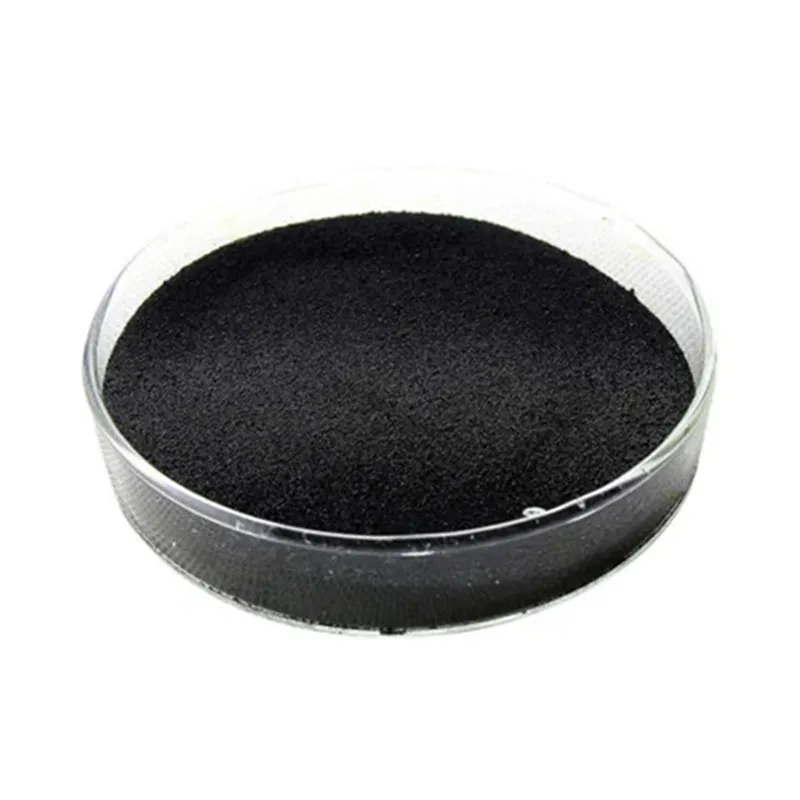
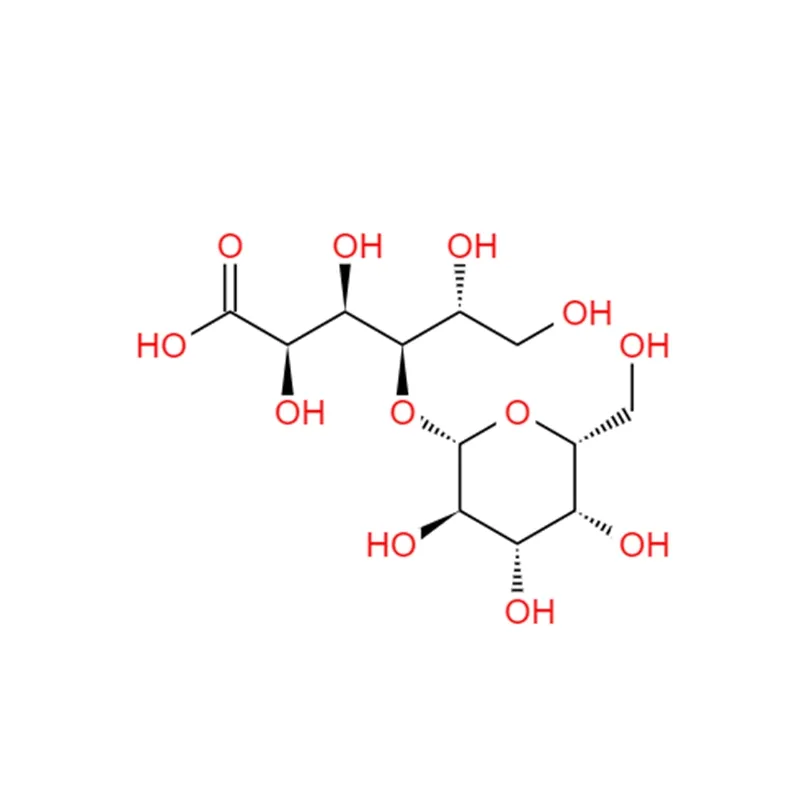
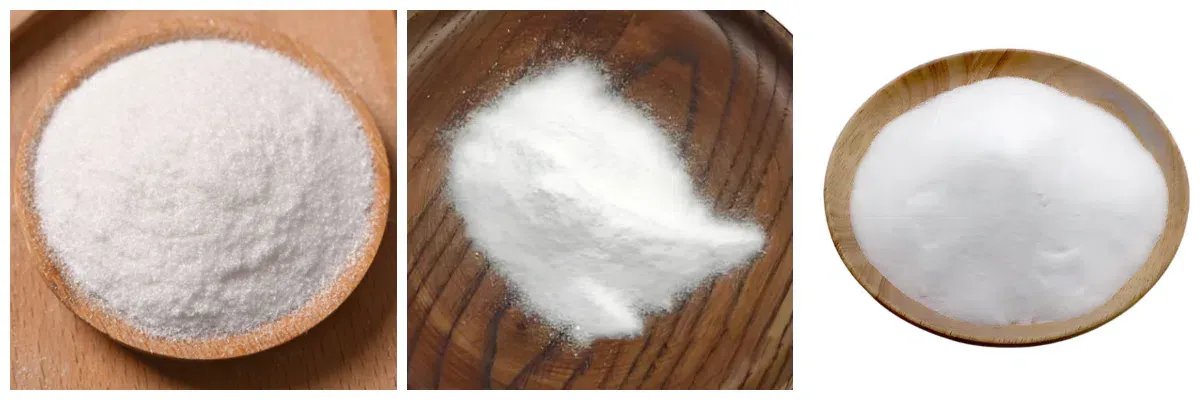
Lactobionic acid, with CAS number 96-82-2 and molecular formula C₁₂H₂₂O₁₂, appears as white or faint off-white fine crystalline powder that is odorless, slightly sour-tasting and notably hygroscopic. In terms of physicochemical properties, it dissolves readily in water with a solubility of 10 grams per 100 milliliters under ambient temperature while hardly dissolving in ethanol, acetone and other organic solvents; its molecular structure contains abundant hydroxyl groups and a carboxyl group, endowing it with powerful metal chelating capacity to restrain formula oxidation and discoloration, as well as prominent moisturizing ability to lock surface moisture effectively. As a third-generation polyhydroxy acid, it features mild acidity far less irritating than traditional alpha-hydroxy acids such as glycolic acid, capable of gently exfoliating aged keratin and regulating pH value, and it boasts favorable stability under sealed and dry storage conditions along with outstanding biocompatibility that allows easy metabolism in human bodies without toxic accumulation.
Widely applied across multiple sectors, it is a prevalent ingredient in cosmetics and personal care items including essences, facial masks and toothpaste for brightening skin tone, diminishing fine lines, sustaining hydration and extending product shelf life via chelation; in the pharmaceutical field, it acts as a core material for liver-targeted drug delivery systems, a multifunctional excipient for injections, ointments and syrups, and a key component in organ preservation liquids to alleviate oxidative injury to isolated organs; approved by the FDA and EU food authorities as a safe food additive, it serves as an acidity regulator, flavor modifier and antioxidant in beverages, baked goods and canned food to prevent lipid rancidity and lengthen shelf life with a mild palatable sour flavor; additionally, it is utilized in fine chemicals, semiconductor precision cleaning and biological culture medium preparation for removing micro metal impurities and supporting biochemical research.
Parameters
| Melting point | 113-118 °C(lit.) |
| alpha | 22.8 º (c=10, H2O) |
| Boiling point | 410.75°C (rough estimate) |
| density | 1.4662 (rough estimate) |
| refractive index | 26 ° (C=8.8, H2O) |
| storage temp. | Inert atmosphere,Room Temperature |
| solubility | 10 g/100 mL |
| pka | 3.28±0.35(Predicted) |
| form | Powder |
| color | White to Off-white |
| optical activity | [α]20/D +25°, c = 10 in H2O |
| biological source | synthetic |
| Water Solubility | 10 g/100 mL |
| Merck | 5342 |
| BRN | 95054 |
| LogP | -3.848 (est) |
| CAS DataBase Reference | 96-82-2(CAS DataBase Reference) |
Safety Information
| Hazard Codes | Xi |
| Risk Statements | 36/37/38 |
| Safety Statements | 24/25-36-26 |
| WGK Germany | 1 |
| HS Code | 29400000 |