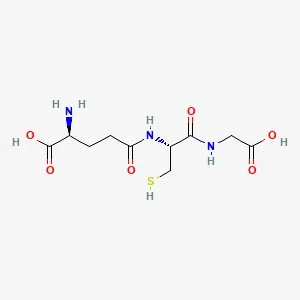
Glutathione CAS#70-18-8 Description
Composed of glutamic acid, cysteine and glycine connected by peptide bonds, glutathione is an essential cellular tripeptide thiol that fights oxidative stress. It was discovered in 1921, with its chemical structure confirmed in 1930, and is known as a multi-functional anti-ageing natural antioxidant.
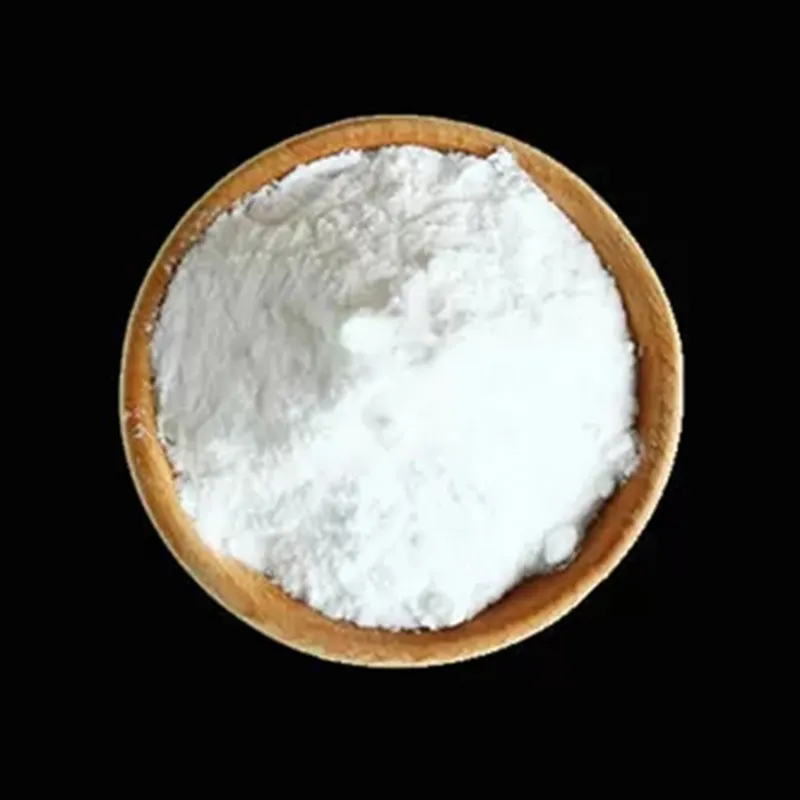
It occurs as colorless, transparent elongated crystals, soluble in water, dilute alcohol, liquid ammonia and DMF, insoluble in ethanol, ether and acetone. Solid glutathione is stable, but its aqueous solution oxidizes quickly in air to form oxidized glutathione.
It naturally exists in yeast, wheat germ, animal liver, blood and common produce including tomatoes, pineapples and cucumbers. Wheat germ and animal liver contain the highest content at 100–1000 mg/100g.
Key functions include antioxidation, free radical scavenging, detoxification, immunity enhancement, anti-ageing, anti-cancer and anti-radiation effects. It aids white blood cell sterilization, stabilizes vitamins C & E, and reduces stroke and cataract risks. It also binds carcinogens and promotes their excretion via urine.
Melting point | 192-195 °C (dec.) (lit.) |
-16.5 º (c=2, H2O) | |
Boiling point | 754.5±60.0 °C(Predicted) |
density | 1.4482 (rough estimate) |
refractive index | -17 ° (C=2, H2O) |
storage temp. | 2-8°C |
solubility | H2O: 50 mg/mL |
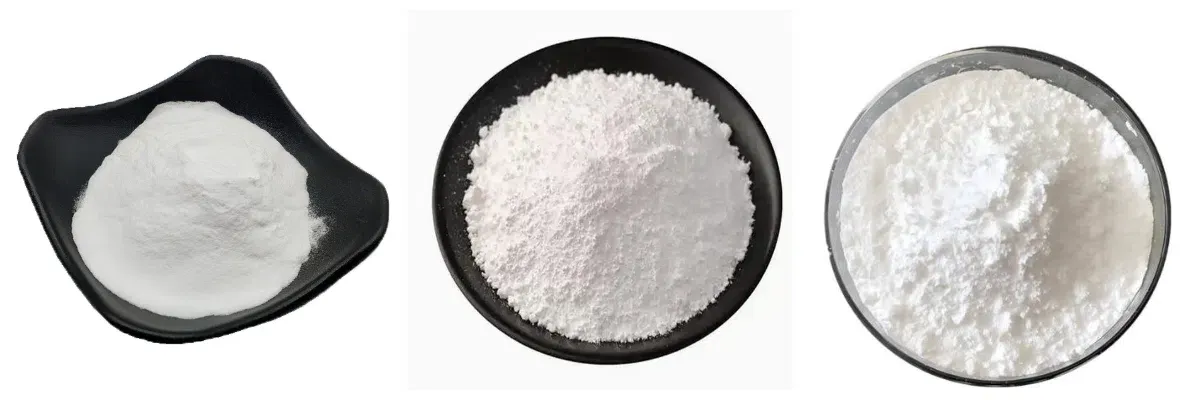
form | powder |
pka | pK1 2.12; pK2 3.53; pK3 8.66; pK4 9.12(at 25℃) |
color | White |
PH | 3 (10g/l, H2O, 20°C) |
Odor | Odorless |
Water Solubility | soluble |
Merck | 14,4475 |
BRN | 1729812 |
Sequence | H-γ-Glu-Cys-Gly-OH |
Stability: | Stable. Incompatible with strong oxidizing agents. |
InChIKey | RWSXRVCMGQZWBV-WDSKDSINSA-N |
LogP | -1.645 (est) |
CAS DataBase Reference | 70-18-8(CAS DataBase Reference) |
EPA Substance Registry System | Glutathione (70-18-8) |
Product Applications of Glutathione (CAS#70-18-8)
As a vital endogenous antioxidant naturally produced inside organisms, glutathione undertakes a critical regulatory role in neutralizing reactive oxygen species generated throughout cell metabolism and respiratory burst reactions.
The enzyme glutathione-S-transferase facilitates glutathione to bind with exogenous foreign substances, leukotrienes, and various electrophilic compounds to generate glutathione thioether conjugates. Additionally, glutathione is capable of forming disulfide linkages with cysteine sites on protein molecules.
Via the above biochemical pathways, glutathione may exert a contradictory impact that diminishes the therapeutic efficacy of certain anti-cancer medications.
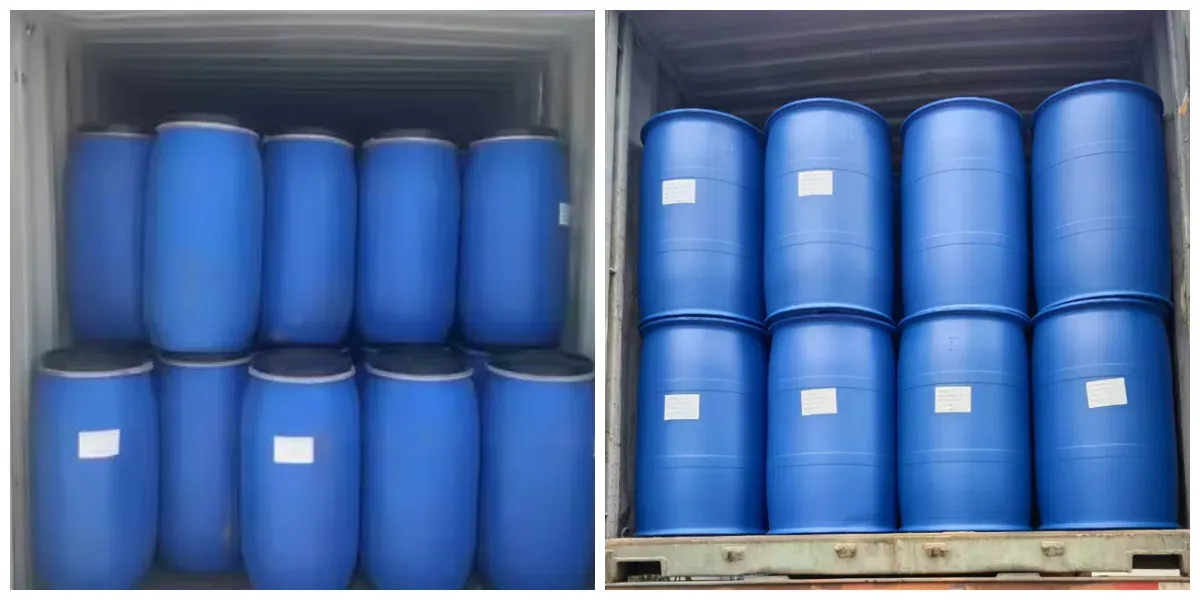
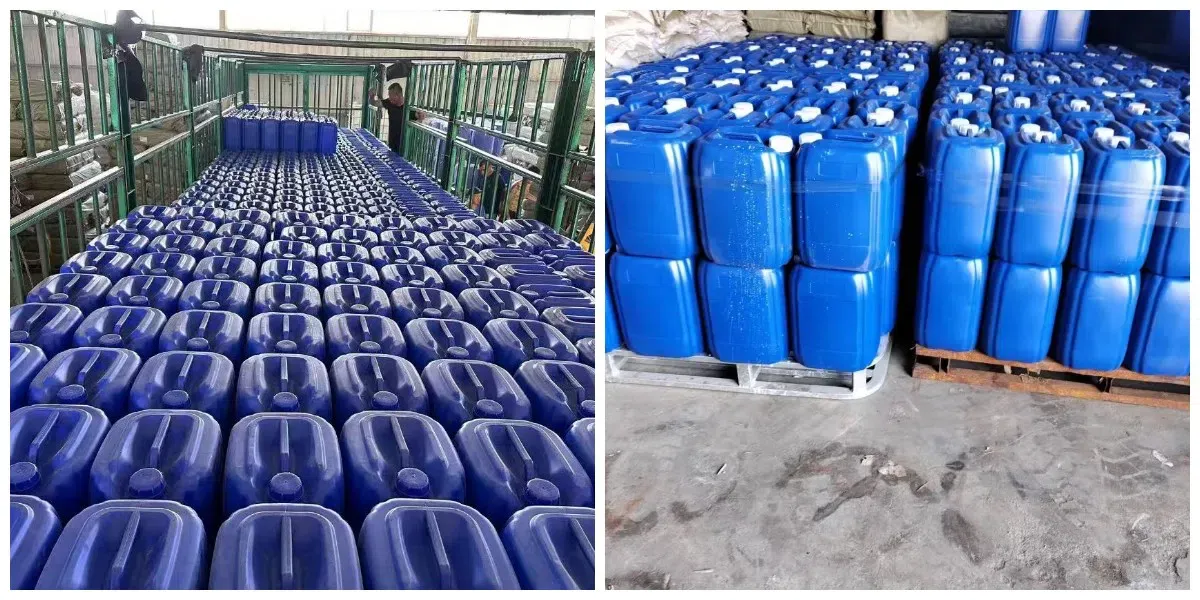
Production & Shipping Lead Time
In-stock standard grades: Goods can be arranged for shipment within 2 to 3 working days after order confirmation
Custom newly manufactured batches: The full production cycle takes 7 to 10 working days upon receipt of your formal order