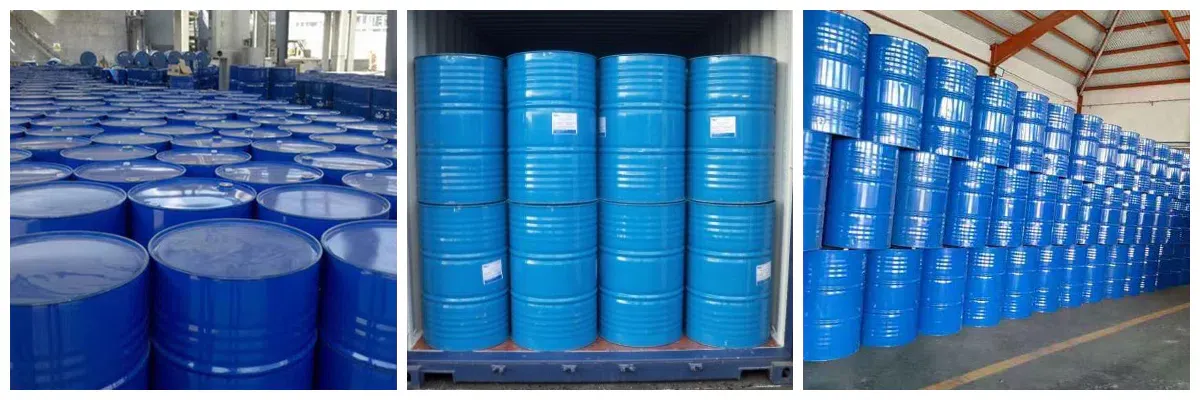
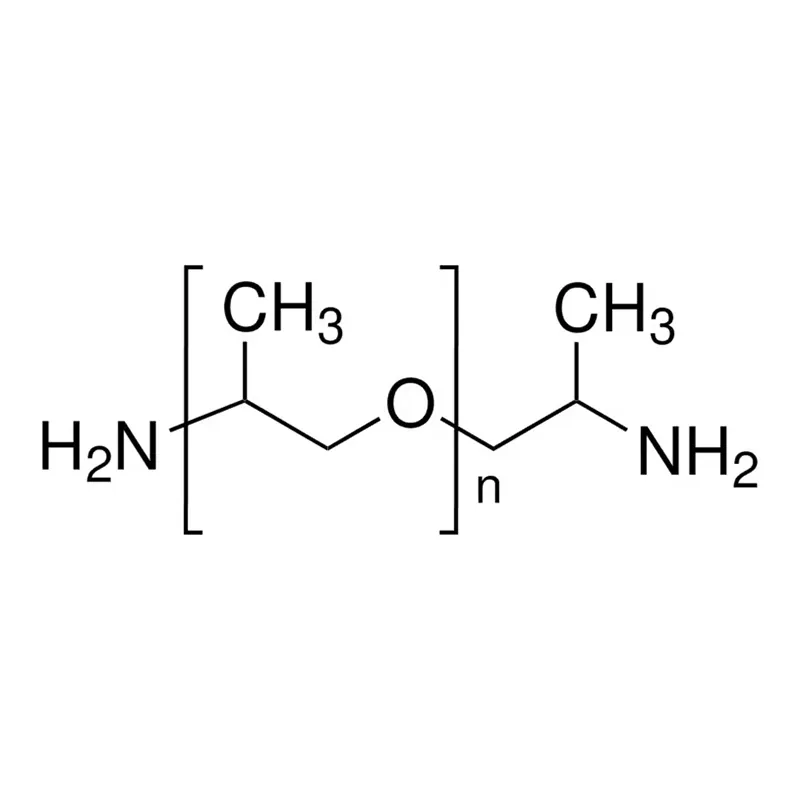
Amine-Terminated Polyether, generally shortened to ATPE, represents a special class of polyether polymer materials constructed around a bendable polyether molecular backbone. Both termini of its long molecular chain are grafted with reactive primary or secondary amino groups, which form the core reactive sites of the entire molecule.
Distinct from ordinary conventional polyether products that only contain ether linkages inside the molecular structure, ATPE integrates flexible chain segments and highly active terminal amino structures at the same time. The inherently supple polyether main chain can greatly lower system viscosity during blending and molding, improve intermolecular compatibility with resin substrates and auxiliary additives, and effectively endow finished products with outstanding toughness and anti-cracking ability. Meanwhile, the hydrogen atoms connected to the terminal amino groups possess exceptionally strong chemical reactivity, enabling rapid cross-linking and chain extension reactions under mild reaction conditions without needing harsh high-temperature or strong catalytic environments.Benefiting from this unique molecular design, ATPE outperforms traditional polyether counterparts in product molding efficiency, final material mechanical properties and long-term service stability. When participating in chemical crosslinking reactions, its amino functional groups can stably bond with isocyanates, epoxy groups and other reactive components, significantly optimizing tensile strength, wear resistance, weather resistance and anti-hydrolysis performance of a broad range of newly synthesized composite materials.
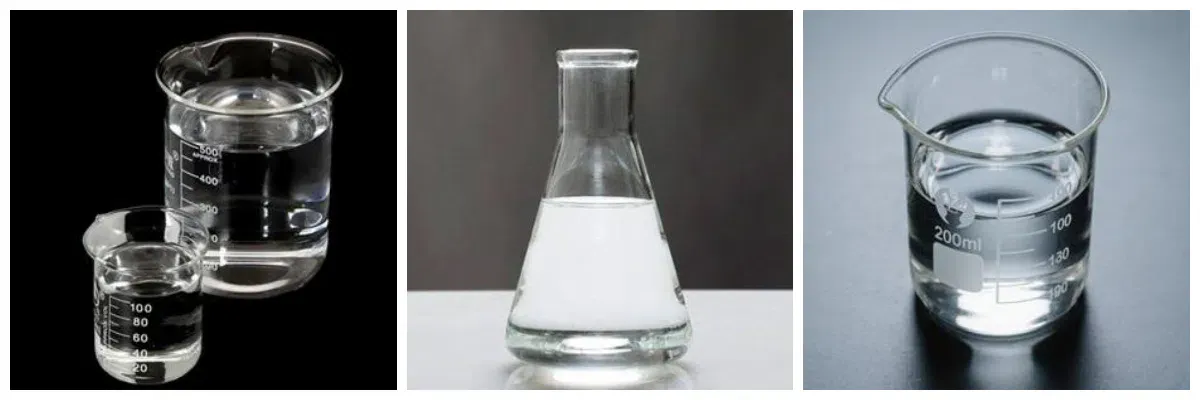
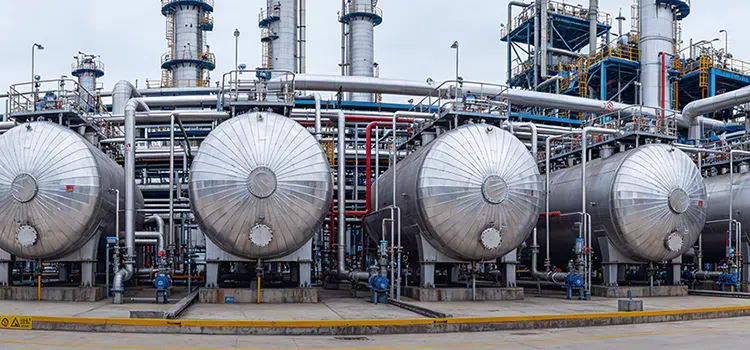
This series of substances has been widely adopted in mainstream industrial production processes. Typical usage scenarios include polyurethane reaction injection molding for automotive parts and hardware components, polyurea spray anti-corrosion and waterproof construction for infrastructure projects, acting as low-viscosity curing agents for epoxy flooring and anti-corrosion coatings, as well as being compounded into high-efficiency gasoline detergent additives to remove engine carbon deposits and reduce fuel system blockages.Thanks to its adjustable molecular weight range, controllable reaction speed and excellent formula compatibility, ATPE can be tailored to meet differentiated technical indicators in different production lines. Such comprehensive and flexible functional characteristics make it an indispensable key raw material in numerous manufacturing industries that put forward strict customized requirements on material elasticity, bonding performance and environmental durability.
Poly(propylene glycol) bis(2-aminopropyl ether) Chemical Properties
| Melting point | -29 °C |
| Boiling point | 232℃[at 101 325 Pa] |
| density | 0.997 g/mL at 25 °C |
| vapor pressure | 90Pa at 20℃ |
| refractive index | n20/D 1.452 |
| RTECS | TR3702500 |
| Fp | >230 °F |
| pka | 9.3[at 20 ℃] |
| form | Liquid |
| color | Light yellow |
| Odor | Amine-like odor |
| Water Solubility | 100g/L at 20℃ |
| LogP | 1.34 at 25℃ |
| EPA Substance Registry System | Polypropylene glycol bis(aminopropyl) ether (9046-10-0) |
Safety Information
| Hazard Codes | C,Xi |
| Risk Statements | 34-21/22-41-37/38-52/53-22 |
| Safety Statements | 26-39-45-36/37/39-61 |
| RIDADR | UN 2922 8/PG 3 |
| WGK Germany | 3 |
| F | 10-23 |
| TSCA | Yes |
| HazardClass | 8 |
| PackingGroup | II |
| Toxicity | LD50 oral in rat: 242mg/kg |