Polyisobutylene (CAS: 9003-27-4) Product Introduction
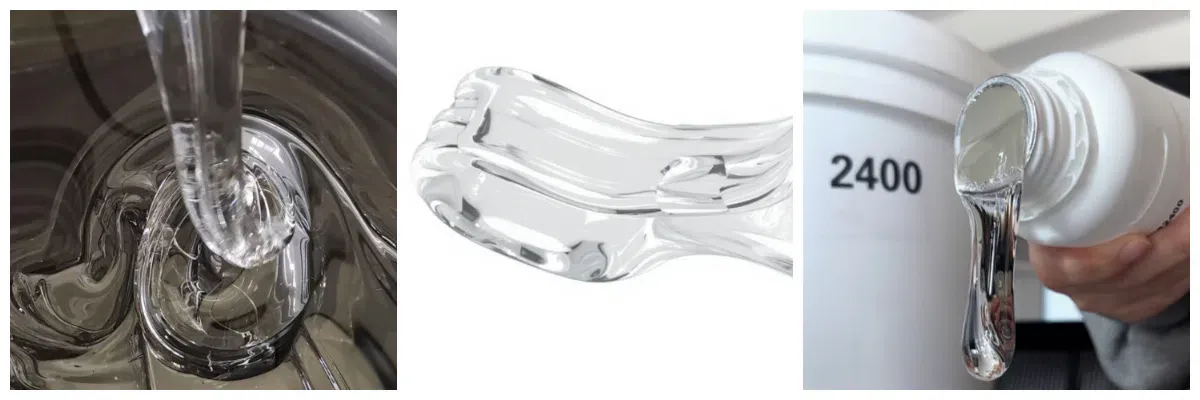
PIB is a non-toxic saturated linear polymer presenting as water-white viscous liquid or semi-solid. Thanks to its ultra-low glass transition temperature, it maintains excellent elasticity and flexibility in cold conditions, while its stable molecular structure grants outstanding resistance against chemical erosion and ageing.
Customizable molecular weight enables flexible viscosity control ranging from 5 to 4,700 cSt (100°C). Higher-viscosity grades feature stronger tack and cohesive force for bonding scenarios.
Physical Properties
Form: Liquid / semi-solid (varies by molecular weight)
Color: Water-white to faint pale yellow
Odor: Almost odorless with subtle intrinsic scent
Viscosity: 5–4700 cSt @ 100°C, grade-dependent
Density: ~0.92 g/mL (25°C)
Solubility: Dissolves in mineral oils, hydrocarbon solvents and carbon disulfide; partially soluble in high-molecular alcohols and esters; insoluble in water, short-chain alcohols, ketones and acetic acid.
Application Range
Lubrication systems: Two-stroke oil, gear lubricants, grease, hydraulic oil, metalworking fluid
Adhesives: Pressure-sensitive adhesives, hot melt adhesives
Sealants: Automotive, tire and architectural sealing products
Stretch packaging films: Reinforces tear resistance, food-contact acceptable
Electrical insulation: Hydrophobic, non-conductive protective insulation
Food & personal care: Food-safe grade for chewing gum base production
Melting point
54-56 °C
Boiling point
300 °C
Density
0.92 g/mL at 25 °C (lit.)
Tg
-61
Tg
-62
Tg
-64
Tg
-75
Refractive index
n20/D 1.51
Fp
>212
Fp
>482
Form
slab/chunk
Stability
Stability Combustible. Incompatible with strong oxidizing agents.
InChI
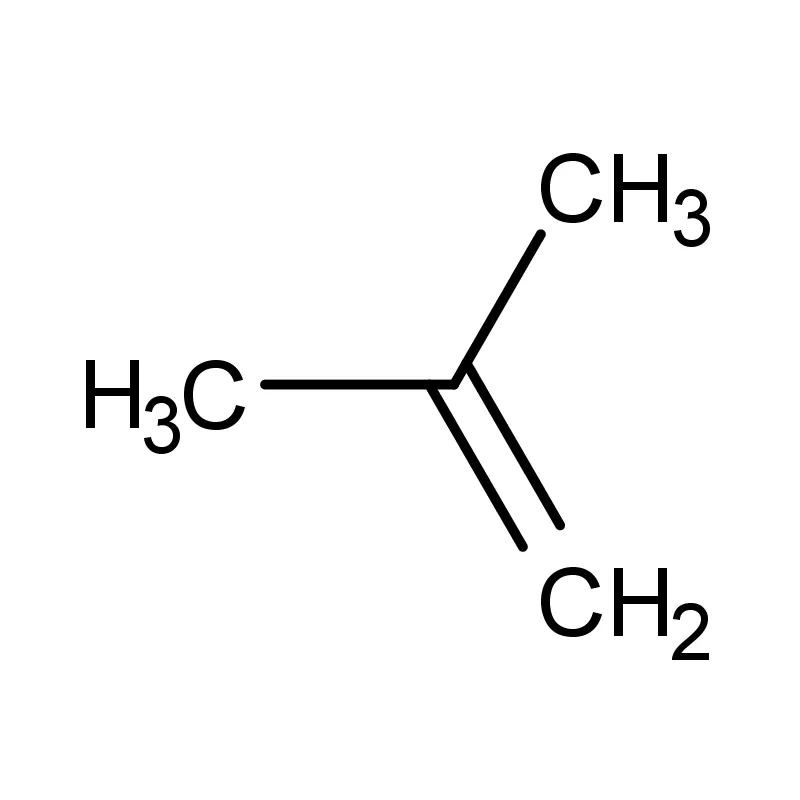
InChI=1S/C4H8/c1-4(2)3/h1H2,2-3H3
InChIKey
VQTUBCCKSQIDNK-UHFFFAOYSA-N
SMILES
C=C(C)C
EPA Substance Registry System
Polyisobutylene (9003-27-4)
Safety & Handling
PIB is non-toxic, yet basic protective measures are required. Keep sealed in cool dry storage, separate from high heat and strong oxidants. Wear gloves and safety goggles during operation.
Shelf Life
36 months under proper storage conditions.
Core Strengths
Superior tack and adjustable viscosity
Great resistance to heat, chemical corrosion and UV oxidation
Fully hydrophobic, low electrical conductivity
Stable in storage: no volatilization, curing or solidification
A multi-purpose polymer with reliable durability for various industrial environments.
Previous: 1-Ethyl-2-pyrrolidone CAS#2687-91-4
Next: Zinc phosphate CAS#7779-90-0