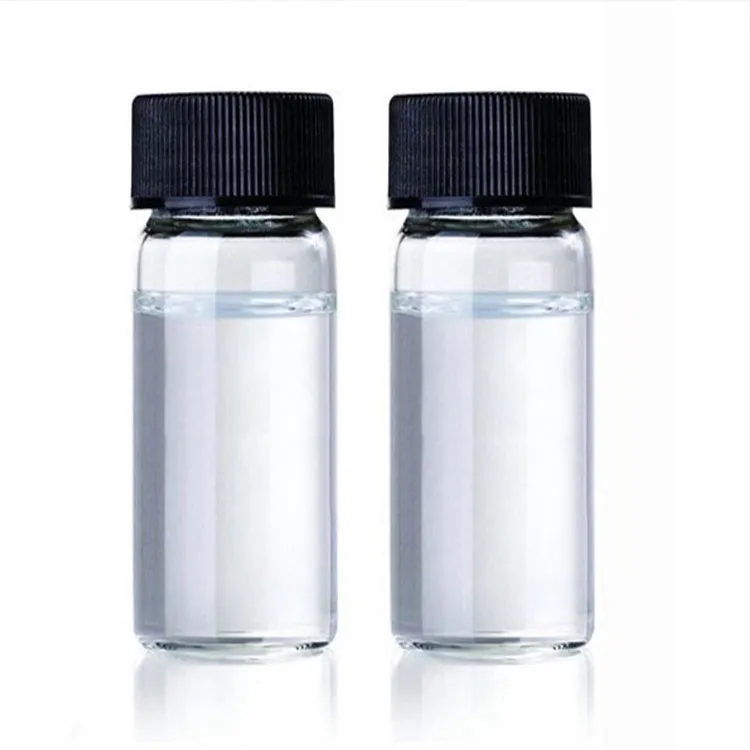
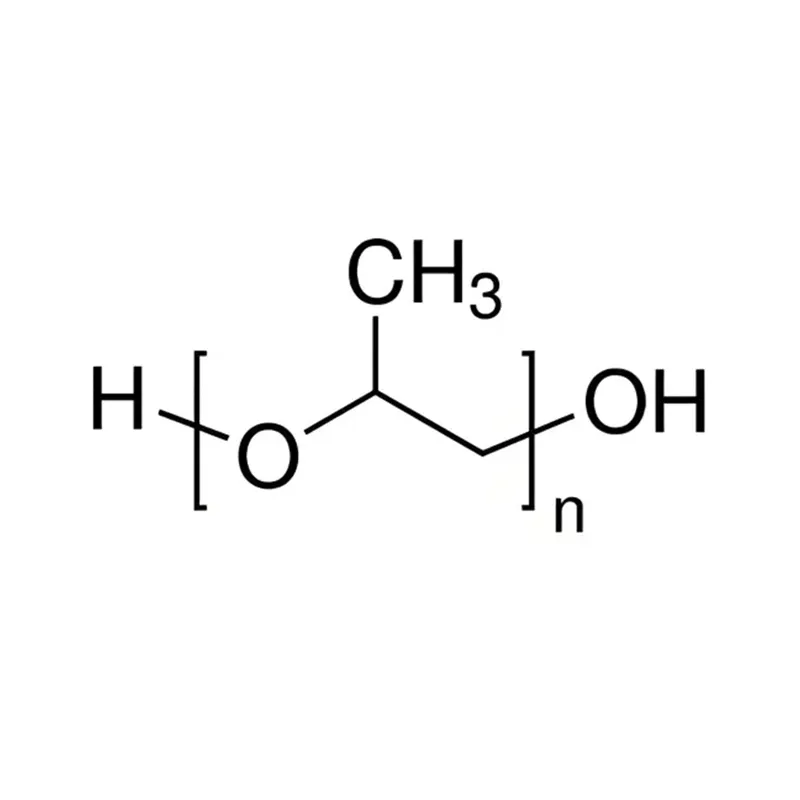
Polypropylene Glycol (PPG) belongs to the polyether polymer family with outstanding physicochemical properties. It is normally a colorless to pale yellow transparent viscous liquid. Featuring non-volatile and non-corrosive characteristics, PPG enables safe operation and long-term stable performance, supporting extensive application in diverse industrial fields.
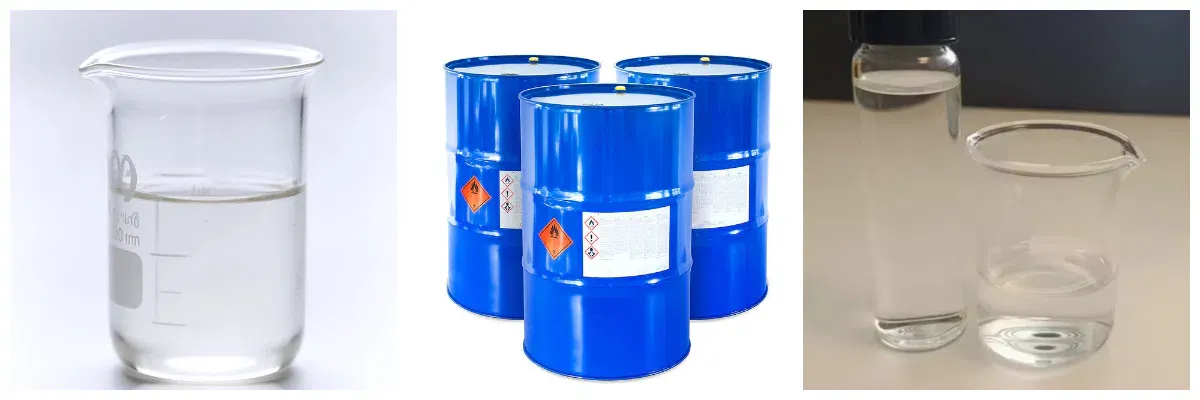
Polypropylene glycol Chemical Properties
| Melting point | -40 °C |
| Boiling point | >300 °C |
| Density | 1.01 g/mL at 20 °C |
| Vapor density | >1 (vs air) |
| Pour Point | -26 |
| Pour Point | -45 |
| Vapor pressure | <0.01 mm Hg ( 20 °C) |
| Refractive index | n20/D 1.451 |
| Fp | 230 °C |
| Storage temp | Storage temp. 2-8°C |
| Solubility | H2O: <0.01 % (w/w) at 25 °C |
| Form | Viscous Liquid |
| Specific Gravity | 1.005 |
| Color | White to light gray |
| Water Solubility | PRACTICALLY INSOLUBLE |
| FreezingPoint | -25 |
| FreezingPoint | -40 |
| Stability | Stable. Substances to be avoided include strong oxidizing agents. |
| LogP | 0.01 at 25℃ |
| NIST Chemistry Reference | Polypropylene glycol 425(25322-69-4) |
| EPA Substance Registry System | Polypropylene glycol (25322-69-4) |
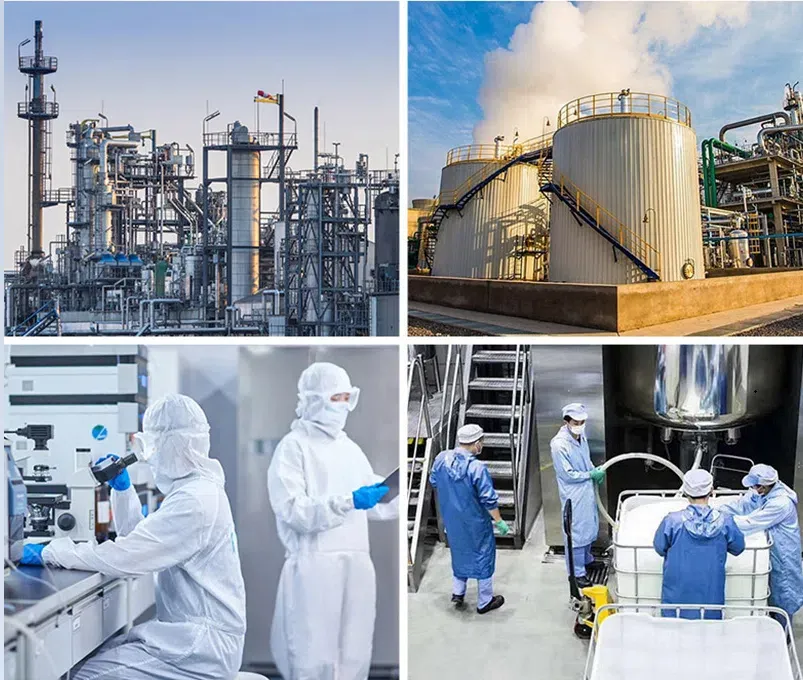
Product Usage
Benefiting from diversified functional characteristics, Polypropylene Glycol (PPG) finds broad applications in industrial, food and pharmaceutical sectors. It delivers lubrication, solubilization, defoaming and skin moisturizing effects, and its performance can be flexibly tuned by adjusting molecular weight. With remarkable compatibility with various systems, it readily satisfies functional requirements of numerous formulations.