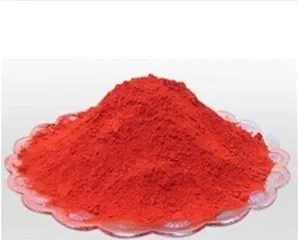
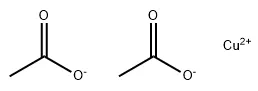
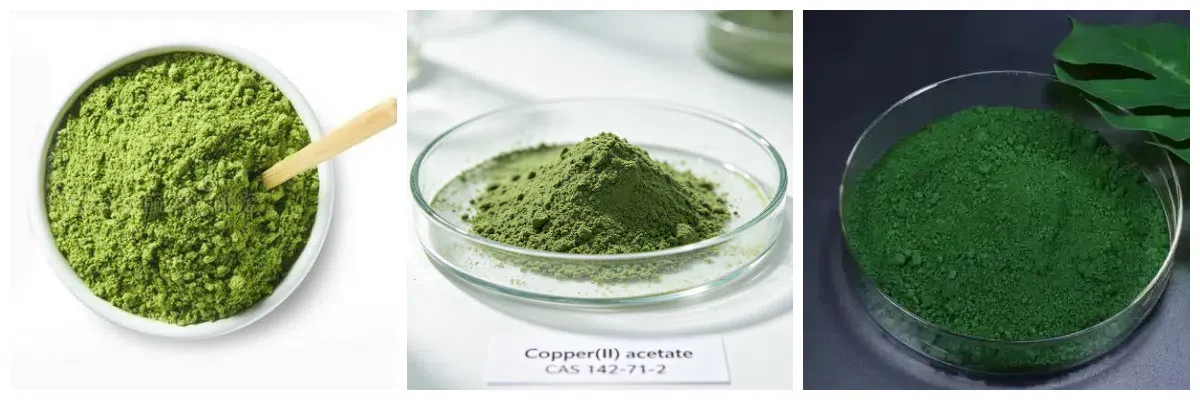
Copper(II) acetate (CAS: 142-71-2), also widely known as cupric acetate, is a high-purity copper salt commonly used in fine chemical and industrial manufacturing. It is classified into anhydrous and hydrated types for commercial supply, with obvious differences in appearance between the two specifications.
Anhydrous Copper(II) acetate presents a stable dark green crystalline powder state, while the hydrated version shows a soft bluish-green tone. With a long-term application history, copper acetate derivatives were originally used in ancient times as traditional fungicides and natural green pigments, featuring good coloring performance and antibacterial effects.
In modern industrial production, it has become a core synthetic reagent and auxiliary material, widely applied in the preparation of various inorganic and organic chemical products. In addition, consistent with the characteristic properties of copper-based compounds, copper acetate will produce a distinct blue-green glow during flame burning, which can be used for rapid chemical identification and experimental detection.
|
Copper(II) acetate Chemical Properties |
Melting point | 115°C |
density | 1.92 at 21.9℃ |
vapor density | 6.9 (vs air) |
vapor pressure | 0.002Pa at 25℃ |
storage temp. | Inert atmosphere,Room Temperature |
solubility | |
form | Powder |
color | Green to blue |
Flame Color | Green |
Water Solubility | Soluble in water and alcohol. Slightly soluble in ether and glycerol. |
Sensitive | Hygroscopic |
Merck | 14,2624 |
BRN | 3595638 |
Exposure limits | ACGIH: TWA 1 mg/m3 |
Stability: | hygroscopic |
Cosmetics Ingredients Functions | SKIN CONDITIONING |
InChI | 1S/2C2H4O2.Cu/c2*1-2(3)4;/h2*1H3,(H,3,4);/q;;+2/p-2 |
InChIKey | OPQARKPSCNTWTJ-UHFFFAOYSA-L |
SMILES | CC(=O)O[Cu]OC(C)=O |
LogP | -0.285 (est) |
Surface tension | 72mN/m at 1.01-1.08g/L and 21.2-21.6℃ |
Dissociation constant | 4.69-4.89 |
CAS DataBase Reference | 142-71-2(CAS DataBase Reference) |
EPA Substance Registry System | Cupric acetate (142-71-2) |
Safety Information |
Hazard Codes | Xn,N |
Risk Statements | 22-36/37/38-50/53 |
Safety Statements | 26-60-61-37/39-29 |
RIDADR | UN 3077 9/PG 3 |
WGK Germany | 3 |
RTECS | AG3480000 |
F | 3-10 |
TSCA | TSCA listed |
HazardClass | 9 |
HS Code | 29152990 |
Storage Class | 8B - Non-combustible corrosive hazardous materials |
Hazard Classifications | Acute Tox. 4 Oral |
Hazardous Substances Data | 142-71-2(Hazardous Substances Data) |
Toxicity | mouse,LD50,intraperitoneal,2500ug/kg (2.5mg/kg),Biochemical Pharmacology. Vol. 30, Pg. 771, 1981. |
Copper(II) acetate is widely deployed as a catalyst and oxidizing agent within organic synthesis processes.
It can facilitate the coupling reaction of two terminal alkynes to synthesize 1,3-diyne. This chemical transformation takes place through copper(I) acetylide intermediates. Subsequently, these intermediates are oxidized by copper(II) acetate to generate acetylide radicals.
Moreover, copper(II) acetate can be applied in the preparation of ynamines, a type of terminal alkyne carrying amine functional groups.
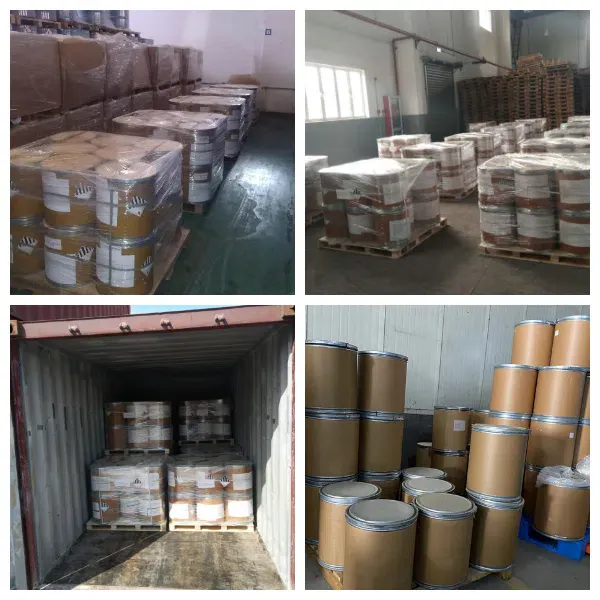
Delivery Schedule
In-stock goods: Shipment within 2–3 working days
Newly manufactured batches: Production and delivery within 7–10 working days
Previous Item: Dihydromyricetin CAS#27200-12-0