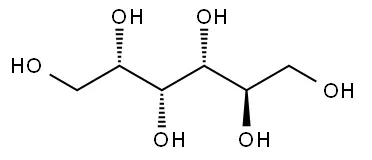
Sorbitol CAS#50‑70‑4
Sorbitol is a hexahydric alcohol naturally found in rose hips and rowan berries. It can be synthesized via the reduction of glucose. Sorbitol serves as a raw material for manufacturing vitamin C and surfactants. It is also applied in pharmaceutical preparations and used as a sweetener, especially in diabetic‑oriented food products. It is an isomer of mannitol.
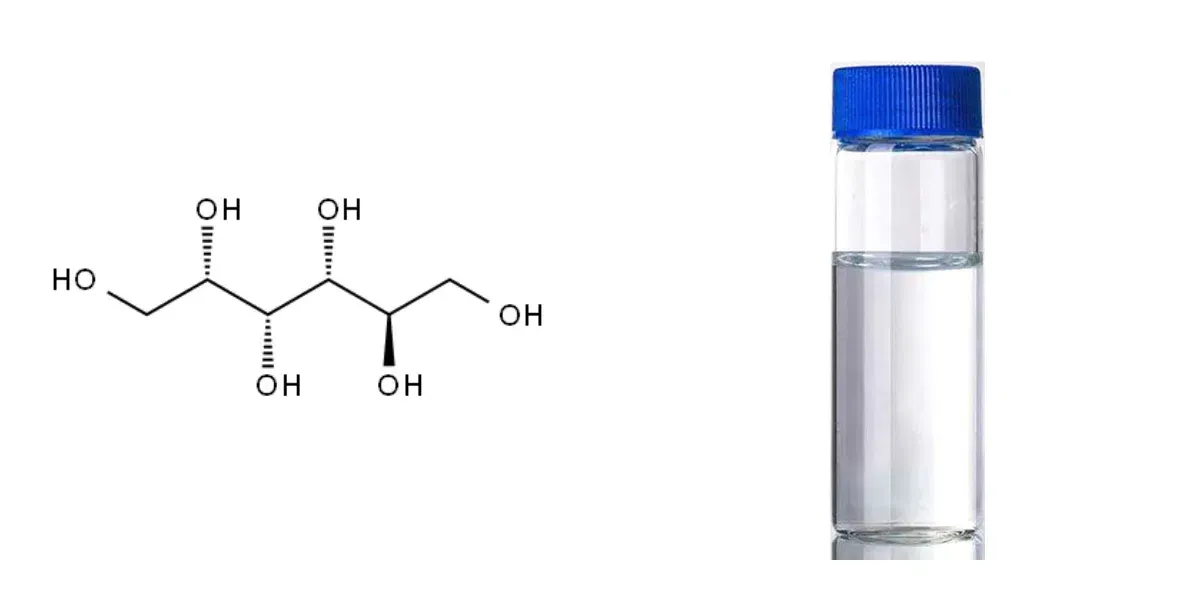
Sorbitol Chemical Properties |
Melting point | 98-100 °C (lit.) |
alpha | 4 º (per eur. pharm.) |
Boiling point | bp760 105° |
bulk density | 450kg/m3 |
density | 1.28 g/mL at 25 °C |
vapor density | <1 (vs air) |
vapor pressure | <0.1 mm Hg ( 25 °C) |
refractive index | n |
FEMA | 3029 | D-SORBITOL |
Fp | >100°C |
storage temp. | room temp |
solubility | Very soluble in water, slightly soluble in ethanol |
pka | pKa (17.5°): 13.6 |
form | liquid |
color | White |
Specific Gravity | 1.28 |
PH | 5.0-7.0 (25℃, 1M in H2O) |
PH Range | 5 - 7 at 182 g/l at 25 °C |
Odor | Odorless |
Odor Type | caramellic |
Optical Rotation | [α]20/D 1.5±0.3°, c = 10% in H2O |
Water Solubility | SOLUBLE |
λmax | λ: 260 nm Amax: 0.04 |
Sensitive | Hygroscopic |
Merck | 14,8725 |
BRN | 1721899 |
Dielectric constant | 33.5(27℃) |
Stability: | Stable. Avoid strong oxidizing agents. Protect from moisture. |
Cosmetics Ingredients Functions | PERFUMING |
InChIKey | FBPFZTCFMRRESA-JGWLITMVSA-N |
LogP | -4.67 |
CAS DataBase Reference | 50-70-4(CAS DataBase Reference) |
NIST Chemistry Reference | Sorbitol(50-70-4) |
EPA Substance Registry System | Sorbitol (50-70-4) |
Safety Information |
Hazard Codes | Xi |
Risk Statements | 36/37/38 |
Safety Statements | 8-36-26-24/25 |
WGK Germany | 2 |
RTECS | LZ4290000 |
F | 3 |
Autoignition Temperature | 420 °C |
TSCA | Yes |
HS Code | 29054491 |
Hazardous Substances Data | 50-70-4(Hazardous Substances Data) |
Toxicity | LD50 orally in Rabbit: 15900 mg/kg |
Product Application of Sorbitol CAS#50‑70‑4
Sorbitol is a humectant that is a polyol (polyhydric alcohol) produced by hydrogenation of glucose with good solubility in water and poor solubility in oil. It is approximately 60% as sweet as sugar, and has a caloric value of 2.6 kcal/g. It is highly hygroscopic and has a pleasant, sweet taste. It maintains moistness in shredded coconut, pet foods, and candy. In sugarless frozen desserts, it depresses the freezing point, adds solids, and contributes some sweetness. It is used in low‑calorie beverages to provide body and taste. It is used in dietary foods such as sugarless candy, chewing gum, and ice cream. It is also used as a crystallization modifier in soft sugar‑based confections.
Product Basic Information
Basic Identifiers
Product Name: Sorbitol
Synonyms: D‑Glucitol, D‑Sorbitol, Sorbitol liquid, Crystalline sorbitol
CAS: 50‑70‑4
MF: C₆H₁₄O₆
MW: 182.17
EINECS: 200‑061‑5
Chemical & Physical Properties
Appearance: White odourless crystalline powder or colourless clear syrupy liquid
Melting point: 93‑97℃ (hydrate); 110℃ (anhydrous)
Density: 1.489 g/cm³ (20℃, crystal form)
Solubility: Freely soluble in water, slightly soluble in hot ethanol; insoluble in ether, benzene and mineral oils
Refractive index: 1.3477 (10% aqueous solution)
Flash point: >100℃
Storage temp: Store in cool, dry and well‑ventilated place, avoid direct sunlight and moisture
Stability: Chemically stable under normal conditions, resistant to acid and alkali; hardly causes Maillard browning reaction with protein or amino‑acid substances
Production Preparation Method
Sorbitol is industrially manufactured by catalytic hydrogenation of D‑glucose (derived from corn starch or potato starch hydrolysate) under high temperature and high pressure with nickel‑based catalyst. Glucose aldehyde group is reduced to hydroxyl group to generate crude sorbitol solution. The crude solution is decolorized, ion‑exchange purified, concentrated. It can be supplied as 70% aqueous liquid directly, or further crystallized, centrifuged and dried to obtain solid crystalline sorbitol powder. Different grades (food grade, pharmaceutical grade, industrial grade) are separated by fine‑tuning purification procedure.
Detailed Application Scenarios
Food & Beverage Industry
Besides low‑calorie confectionery, chewing gum and sugar‑free frozen desserts, sorbitol acts as anti‑cariogenic sweetener because oral bacteria cannot easily ferment it. It retains soft texture of bakery products and prevents surface drying and cracking. It serves as humectant for preserved fruits, nut snacks and shredded coconut. In pet food, it improves palatability and keeps product moisture balance. It can also function as freezing‑point depressant and anti‑crystallization agent for jam and jelly systems.
Personal Care & Cosmetics Industry
It is widely used in toothpaste formula at dosage 25‑30 % as humectant, preventing toothpaste paste hardening and tube blocking, improving taste and lubricity. In skin creams, lotions and facial masks, it replaces partial glycerol to deliver mild moisturising effect, improving spreadability of emulsion system. It is raw material for producing sorbitan ester surfactants (Span / Tween series), which are popular emulsifiers with low skin irritation for cosmetic formulations.
Pharmaceutical Field
Pharmaceutical‑grade sorbitol is applied as excipient for oral tablets, granules and syrup preparations. It can be used in injection formulation as osmotic agent. It is core starting material for synthesizing Vitamin C. In oral laxative preparations, high‑dose sorbitol creates osmotic effect inside intestine. It also works as cryoprotectant for biological reagent and lyophilized powder formulations.
Industrial Chemical Application
It serves as plasticizer and lubricant for PVC and polymer materials. It participates in producing sorbitol‑modified rosin resin for architectural coating industry. In textile bleaching process, it chelates metal ions such as iron, copper and aluminium to reduce fibre damage. It is intermediate for manufacturing surfactants, polyurethane and alkyd resin derivatives.
Upstream & Downstream Products
Upstream Raw Materials
Key feedstock: D‑glucose (starch hydrolysate), nickel hydrogenation catalyst, activated carbon (decolorizing agent), ion‑exchange resin for purification, process water.
Downstream Derivatives
Vitamin C, sorbitan fatty acid esters (Span series), polyoxyethylene sorbitan fatty acid esters (Tween series), sorbitol‑modified rosin resin, pharmaceutical excipient compound formulations, polyether polyol for polymer synthesis.
Safety & Handling Information
Sorbitol is low‑toxic polyol and approved as safe food additive in most regions. Oral LD₅₀ for mouse is relatively high. Large‑dose oral intake may trigger gastrointestinal discomfort, bloating or diarrhoea due to incomplete intestinal absorption.
Skin contact: Flush with running water; generally non‑irritating for normal skin.
Eye contact: Rinse eyes with plenty of clean water for several minutes.
Storage warning: Keep far away from moisture; crystalline powder easily agglutinates under high‑humidity environment.
Transport note: It is non‑hazardous goods under normal transport regulations. Avoid rain and sun exposure during shipment.
Packaging & Transportation
Available Packaging Options
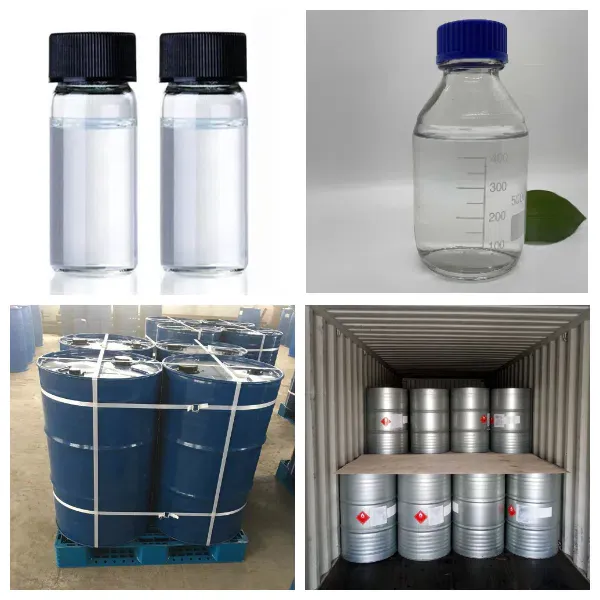
Liquid sorbitol (70% typical): 270 kg plastic drum / iron drum; IBC 1000 L tote tank for bulk order
Solid crystalline sorbitol: 25 kg kraft paper bag or paper drum with inner PE liner
Small trial sample: 500 g / 1 kg sealed plastic bottle for lab test. Custom packaging is negotiable for special project.
Delivery Cycle
Spot inventory order: 2‑3 working days
New customized production batch: 7‑10 working days
Bulk FCL sea shipment: Subject to container booking schedule.
Transport Requirement
Belongs to ordinary general chemical goods, not dangerous cargo. Keep packages sealed, prevent dampness, high temperature and direct sunshine. Do not store together with strong oxidants. We can provide shipping document, MSDS, COA certificate together with goods.
After‑sales Service Support
Document service: Free to provide COA, SDS/MSDS, technical datasheet, quality certificate for each batch.
Technical support: Our chemical engineer team offers formula reference, dosage suggestion and compatibility consultation within 24 working hours.
Quality complaint handling: If product quality problem is confirmed upon receiving goods, supported options include re‑delivery, goods exchange or partial refund. Customer shall provide photos, video and order information within 7 days after receipt. Improper storage or misuse‑caused performance failure is not covered by replacement but we still supply technical guidance.
Sample service: Small test sample can be supplied for customer lab evaluation before bulk purchase.
Customer Application Cases
Case 1: Sugar‑free chewing‑gum manufacturer (food‑grade solid sorbitol)
One domestic confectionery manufacturer adopts our food‑grade crystalline sorbitol as main sweetener base for xylitol‑mixed sugar‑free chewing gum. It reduces candy crystallisation tendency, delivers cool sweet taste and anti‑caries performance, product shelf‑life reaches 18 months.
Case 2: Daily‑chemical enterprise for toothpaste raw material (70% liquid sorbitol)
A daily‑care factory selects our food‑grade liquid sorbitol for toothpaste formulation. It effectively prevents paste drying inside tube, stabilizes toothpaste texture and improves flavour feeling, replacing part of glycerol to optimise total cost.
Case 3: Pharmaceutical intermediate plant (pharma‑grade sorbitol)
Pharmaceutical‑grade sorbitol is supplied to Vitamin C synthesis factory, meeting pharmacopoeia‑level impurity control requirement, stable quality for continuous large‑batch production.
FAQ Frequently Asked Questions
Q1: What are the differences between liquid sorbitol and solid crystalline sorbitol?
A: Liquid sorbitol is normally 68‑76 % aqueous solution, easy to pump and dissolve, widely used for liquid‑formula production. Crystalline solid sorbitol is powder form with high purity, suitable for solid tablet, chewing‑gum and dry‑mix formula, but needs to prevent caking during storage.
Q2: Can sorbitol be fully applied for diabetic‑oriented food?
A: Sorbitol causes slower blood‑sugar rise compared with sucrose, but it still contains calorie. It should be consumed under proper portion control, not unlimited intake.
Q3: Why does solid sorbitol powder become caked after storage?
A: Sorbitol has strong hygroscopicity. When exposed to humid air, powder absorbs ambient moisture and agglutinates. Please seal packages tightly and store under cool‑dry condition. Once caked without deterioration, it can still be used after crushing.
Q4: What certificates can you provide for sorbitol?
A: We can supply batch‑by‑batch COA, MSDS. Food‑grade grade complies with FCC / food additive standard; pharmaceutical grade can meet USP‑EP specification according to order requirement.
Q5: What is the shelf‑life of sorbitol product?
A: Under original sealed and proper storage environment, liquid sorbitol shelf‑life is 12 months; crystalline solid sorbitol shelf‑life is 18 months. Please check production date on outer package.
Factory & Equipment Show
Our workshop is equipped with continuous hydrogenation reaction unit, multi‑stage decolorizing & ion‑exchange purification system, vacuum concentration unit and crystallisation drying equipment. Strict on‑line sampling and lab final‑batch inspection are implemented before goods release, to guarantee batch‑to‑batch consistency.
Fast delivery time
Inventory 2‑3 working days New production 7‑10 working days