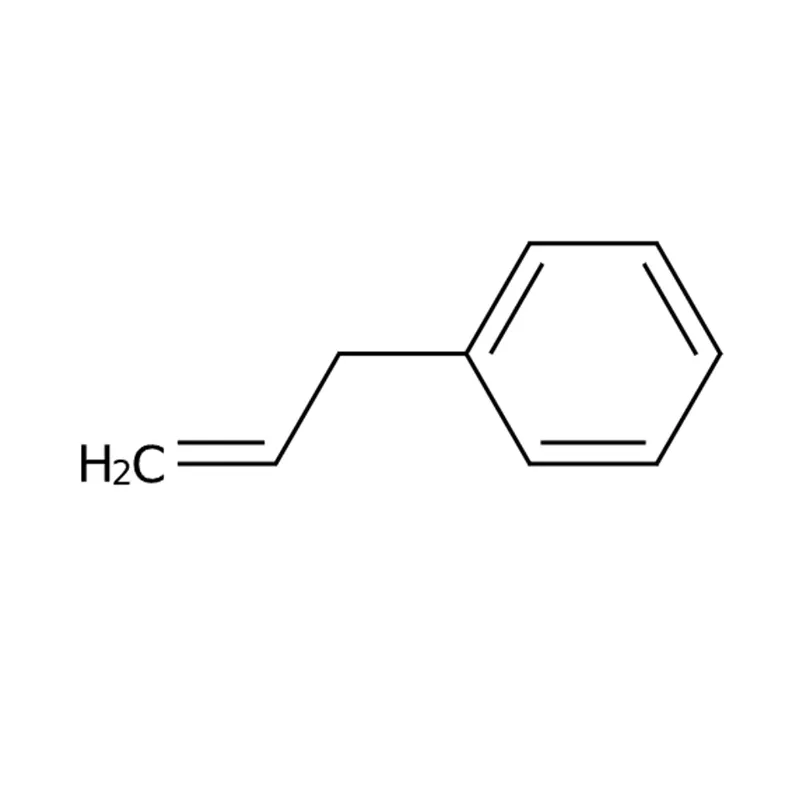

Stearic acid CAS#57-11-4
Stearic acid is a major long-chain fatty acid naturally present in fats and oils as glycerides, which break down into stearic acid after hydrolysis. It is ubiquitous in nature and carries standard carboxylic acid chemical properties.
Its content varies greatly in different materials: up to 24% in butter, 0.8% in tea oil, 6% in palm oil, and as high as 34% in cocoa butter.
Industrial production relies mainly on fractionation and compression methods. Hydrogenated oil is hydrolyzed into crude fatty acids, then purified by washing, distillation and bleaching; glycerol is produced as a by-product. Some animal-fat-based products may release non-toxic but pungent fumes under high-temperature plastic processing due to inadequate distillation. Vegetable-sourced imported stearic acid adopts advanced processes, featuring stable quality, good lubricity and low odor.
It is widely used to synthesize various stearates: sodium, magnesium, calcium, lead, aluminum, cadmium, iron and potassium stearate. Sodium and potassium stearates are soap components; sodium stearate enhances soap hardness though its cleaning power is inferior to sodium palmitate.
The lab purification route using butter: decompose butter, remove palmitic acid and oleic acid at 30–40 ℃, precipitate stearate with barium or magnesium acetate, acidify with dilute sulfuric acid, filter and recrystallize in ethanol for pure stearic acid.Note: All original data, percentage values, temperature range, stearate types and production descriptions are fully retained; all hyperlinks are deleted.
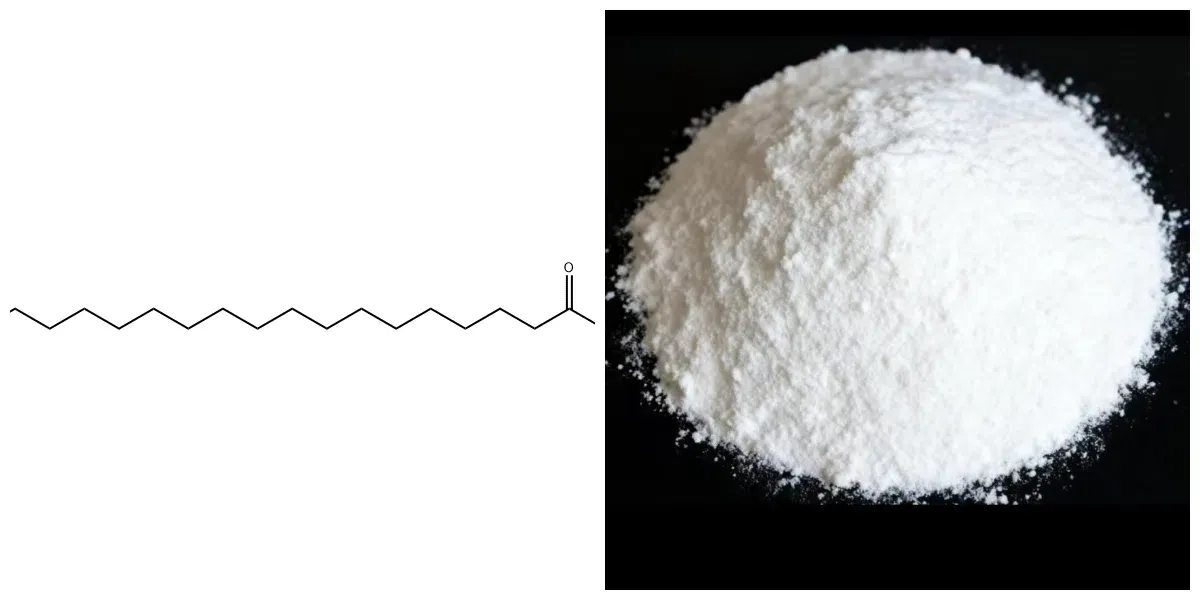
| Stearic acid Chemical Properties |
Melting point | 67-72 °C (lit.) |
Boiling point | 361 °C (lit.) |
bulk density | 400-500kg/m3 |
density | 0.845 g/cm3 |
vapor pressure | 1 mm Hg ( 173.7 °C) |
refractive index | 1.4299 |
FEMA | 3035 | STEARIC ACID |
Fp | >230 °F |
storage temp. | Store below +30°C. |
solubility | Practically insoluble in water, soluble in ethanol (96 per cent) and in light petroleum (bp: 50-70 °C). |
pka | pKa 5.75±0.00(H2O t = 35) (Uncertain) |
form | powder |
color | White |
Specific Gravity | 0.84 (80℃) |
Odor | odorless mild fatty |
Odor Type | odorless |
biological source | palm oil |
Water Solubility | 0.1-1 g/100 mL at 23 ºC |
Merck | 14,8804 |
JECFA Number | 116 |
BRN | 608585 |
Dielectric constant | 2.3(22℃) |
Exposure limits | ACGIH: TWA 10 mg/m3; TWA 3 mg/m3 |
Cosmetics Ingredients Functions | EMULSION STABILISING |
InChIKey | QIQXTHQIDYTFRH-UHFFFAOYSA-N |
LogP | 8.22 |
CAS DataBase Reference | 57-11-4(CAS DataBase Reference) |
NIST Chemistry Reference | Octadecanoic acid(57-11-4) |
EPA Substance Registry System | Stearic acid (57-11-4) |
Safety Information |
Hazard Codes | Xi,F |
Risk Statements | 38-36/37/38-11 |
Safety Statements | 37/39-26-16 |
WGK Germany | 3 |
RTECS | WI2800000 |
Autoignition Temperature | 395 °C |
TSCA | Yes |
HS Code | 38231100 |
Hazardous Substances Data | 57-11-4(Hazardous Substances Data) |
Toxicity | LD50 i.v. in mice, rats: 23±0.7, 21.5±1.8 mg/kg, L. Or, A. Wretlind, Acta Pharmacol. Toxicol. 18, 141 (1961) |
Stearic acid CAS#57‑11‑4
H2: Product Application
Stearic acid is widely applied in cosmetics, plastic plasticizers, mold‑release agents, stabilizers, surfactants, rubber vulcanization accelerators, waterproofing agents, polishing agents, metal soap raw materials, mineral flotation agents, softeners and pharmaceutical raw materials, as well as other organic synthesis fields.
It can serve as solvent for oil‑based paints, lubricant for crayons, stencil brightening agent and emulsifier for glycerol stearate. It is extensively used for manufacturing PVC pipes, sheets, profiles and films, acting as a PVC heat stabilizer with favorable lubricity and outstanding light‑heat stability.
In PVC pipe processing, stearic acid helps prevent coke formation during production. For PVC film manufacturing, it works as an efficient heat stabilizer and inhibits finished‑film discoloration caused by light exposure.
It functions as lubricating, plasticizing and stabilizing additive for filled masterbatches. It improves surface‑coating activation of inorganic powder and boosts material melt flow rate. For formulations with high inorganic‑powder loading, proper addition of stearic acid can significantly raise melt flow performance.
However, the dosage of stearic acid in filled masterbatches has practical limits; recommended addition level is controlled at approximately 1 % of total mass. Excessive dosage will degrade physical performance of plastic end‑products and generate sticky residues at equipment die lips, hurting production efficiency and finished‑goods quality.
Mono‑alcohol or poly‑alcohol esters derived from stearic acid can be used in cosmetics, non‑ionic surfactants and plasticizers. Its alkali‑metal salts are water‑soluble and constitute major soap components. Other stearate salts find uses as waterproofing agents, lubricants, bactericides, coating additives and PVC stabilizers.
H2: Core Product Advantages
H3: Multi‑functional Processing Assistant
Combines lubricating, plasticizing, stabilizing and releasing properties in one substance, suitable for plastic, rubber and cosmetic formulation systems. It delivers consistent modification effect under regular processing conditions.
H3: Strict Dosage Guidance for Formulators
The performance effect is highly dosage‑dependent. The 1 % recommended threshold for filled masterbatches should be followed; over‑addition leads to sticky die‑lip deposits and defective plastic articles.
H3: Good Compatibility With Common Industrial Raw Materials
Compatible with most polymer matrices, inorganic mineral fillers and various auxiliary agents. It can be well dispersed in PVC, rubber compound and cosmetic emulsion systems.
H2: Packaging, Storage & Transportation
H3: Standard Packaging Specification
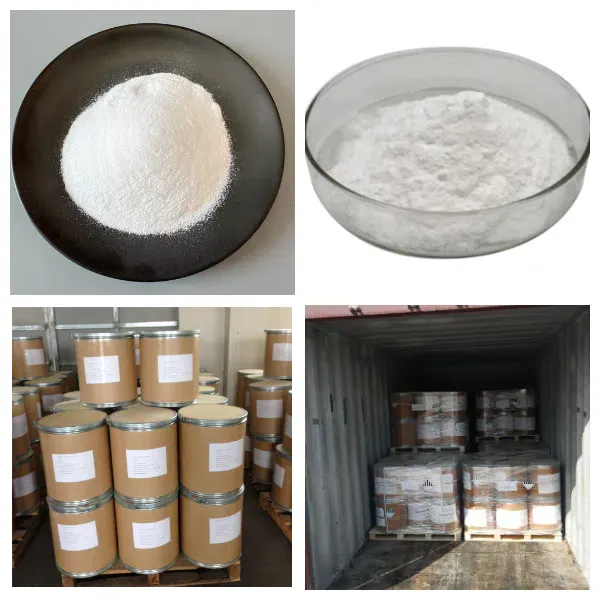
Standard packing: 25 kg woven bag with inner PE liner for bulk shipment. Jumbo bag packing is available for large‑volume orders. Customized packaging and labeling can be negotiated for long‑term cooperative clients.
H3: Storage Recommendations
Store in cool, dry and well‑ventilated warehouse. Keep bags tightly sealed, avoid direct sunlight, high‑temperature environment and contact with strong oxidants. Keep away from heating sources to prevent caking.
H3: Transport Notes
Transported as general industrial chemical goods. Avoid rain and heavy squeezing during transit. Do not ship together with strong oxidizing substances. Please refer to MSDS for complete handling guidance.
H2: Delivery Schedule
H3: In‑stock Goods
Shipment within 2‑3 working days upon payment confirmation.
H3: New‑production Orders
Production lead‑time: 7‑10 working days for newly‑produced batches.
Remark: Above lead‑time excludes international ocean transit time. Slight schedule adjustment may occur in peak production or logistics seasons, we will provide real‑time order progress updates.
H2: Export Supporting Documents
We can supply full‑set export documents for overseas customs clearance and incoming‑goods inspection:
‑ Batch‑specific COA (Certificate of Analysis)
‑ MSDS (Material Safety Data Sheet)
‑ Commercial invoice, packing list and other customs‑required export documents
H2: Target End‑Users
‑ PVC plastic manufacturers for pipes, sheets, profiles and film
‑ Rubber factories for vulcanization and compounding
‑ Cosmetics and personal‑care product producers
‑ Masterbatch compounding factories with inorganic‑powder filling
‑ Pharmaceutical auxiliary‑material manufacturers
‑ Global chemical raw‑material trading companies and bulk‑material distributors
H2: Factory & Production Capacity
Our production facility runs standardized stearic‑acid production lines. Independent QC laboratory completes sampling inspection for each batch before delivery, verifying melting point, acid value, moisture and other key indicators. Factory and equipment introduction materials are available for customer audit. Both spot bulk supply and long‑term framework supply contracts are acceptable for large‑volume buyers.
H2: After‑sales & Technical Support
H3: Pre‑sales Technical Consulting
Our technical team can provide dosage reference and formulation suggestions according to your processing technology, especially guidance for filled masterbatch dosage control to avoid over‑addition risks.
H3: After‑sales Response
Working‑day feedback within 24 hours for quality‑related inquiries. If delivered product fails to meet contracted specifications, feasible follow‑up solutions will be coordinated. Technical guidance for on‑site processing is available; losses caused by improper customer‑side formula adjustment or storage will not be covered under quality compensation.
H2: FAQ
H3: What is your MOQ for stearic acid?
Our MOQ is 1 FCL (Full Container Load). Small‑quantity trial orders can be discussed case‑by‑case.
H3: What is the recommended adding amount for filled masterbatch?
The suggested dosage is around 1 % of total mass. Excessive addition will cause die‑lip stickiness and degrade plastic‑product performance. You can consult our technical team for customized dosage advice for your formula.
H3: Can you provide samples for lab test?
Testing samples are available upon request; sample freight will be quoted separately.
H3: Can we sign long‑term supply contracts for mass production?
Long‑term framework supply agreements are negotiable for large‑volume stable manufacturers, helping stabilize raw‑material cost and delivery cycles.
H3: What trade terms do you support for overseas bulk shipment?
We support EXW, FOB, CIF and other mainstream international trade terms. We cooperate with mature freight forwarders to arrange port‑to‑port shipment.