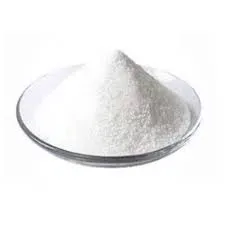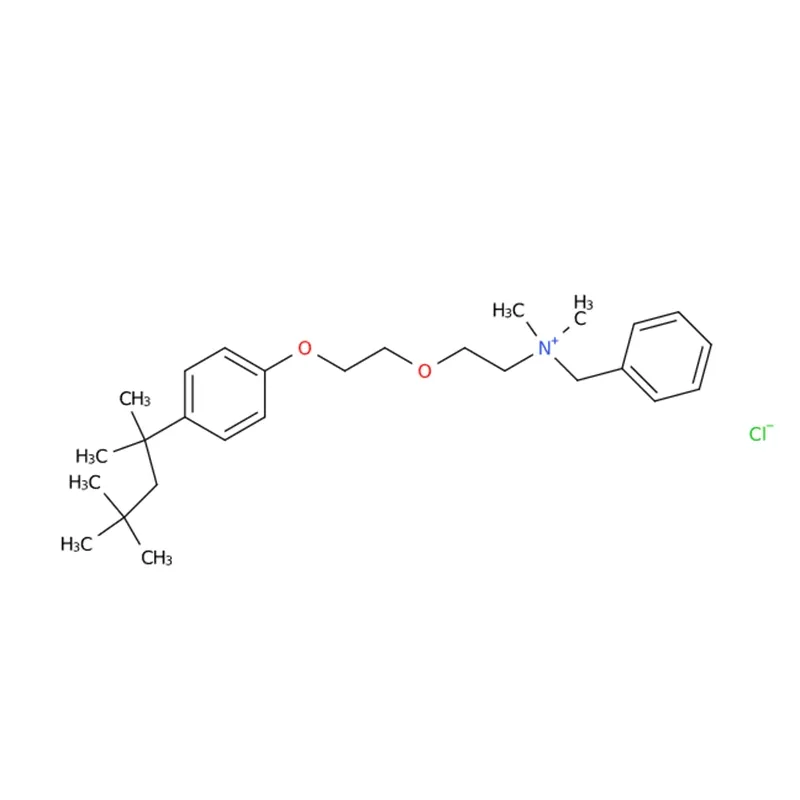
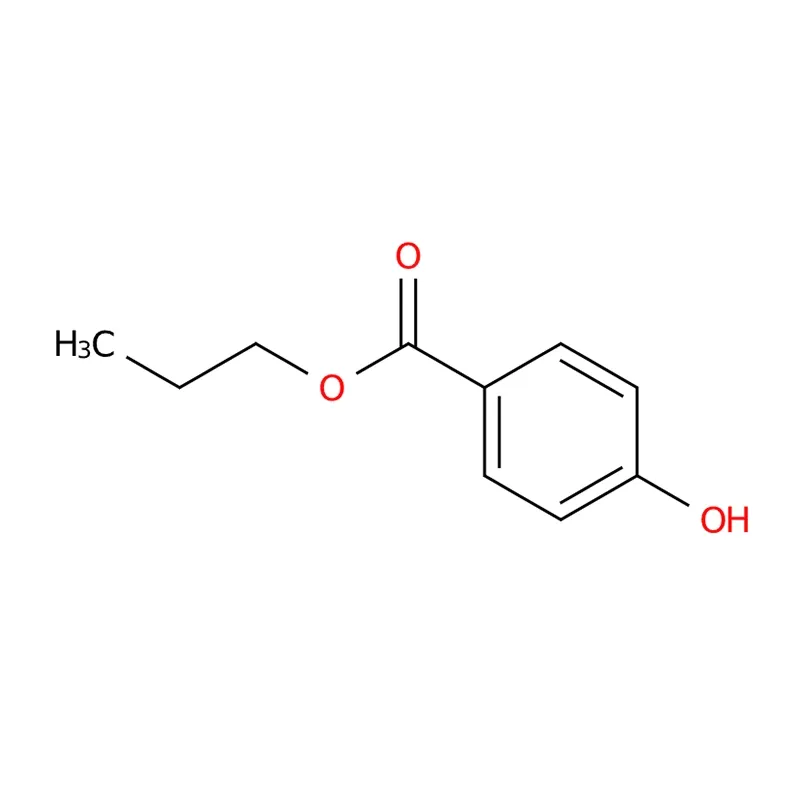
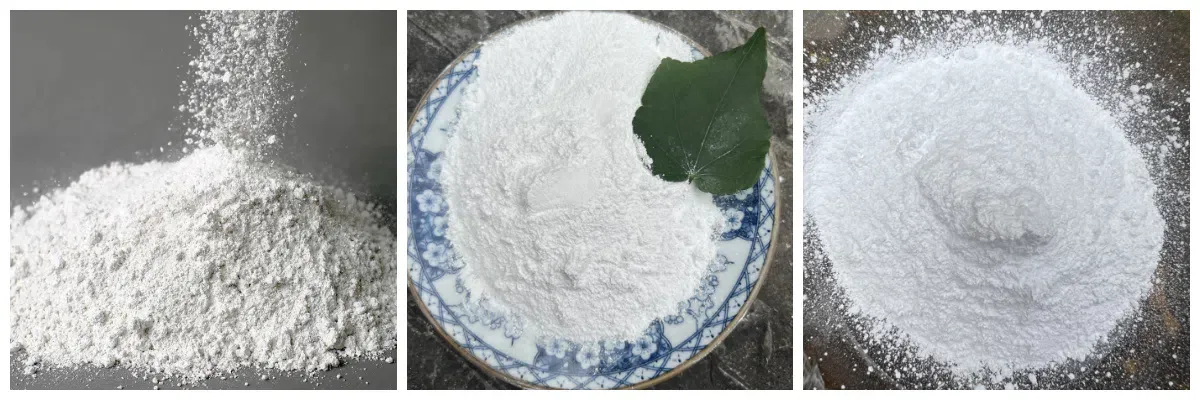
Nonylphenol propionate, also known as parahydroxyphenylpropionate, is an organic ester compound synthesized through the esterification reaction of nonylphenol and propionic acid. It typically presents as a white to off-white crystalline powder or fine flake solid with a faint, mild characteristic odor, and its uniform appearance is a direct reflection of high product purity and stable quality. In terms of physical and chemical properties, it is easily soluble in organic solvents such as ethanol, methanol, and ether, but only slightly soluble in water, which makes it highly compatible with oil-based and alcohol-based formulations. It also exhibits excellent chemical stability, remaining effective under a wide range of pH values (3-8) and normal production and storage temperatures, and is not prone to decomposition or chemical reactions with other common raw materials, ensuring long-term stability of its antibacterial and preservative effects.
Due to its outstanding broad-spectrum antibacterial and antifungal properties, nonylphenol propionate has been widely used as a preservative and antibacterial agent in multiple industries. In the food industry, it is added in compliance with national standards to beverages, sauces, pickles, baked goods, and dairy products, effectively inhibiting the growth of harmful bacteria, molds, and yeasts, and extending the shelf life of food without affecting its taste and nutritional components. In the cosmetics and personal care industry, it is a common additive in lotions, creams, shampoos, facial cleansers, and makeup products, preventing microbial contamination and spoilage of the products during storage. In the pharmaceutical field, it is used as a preservative in oral syrups, topical ointments, and medicinal solutions, ensuring the safety and effectiveness of pharmaceutical preparations. Additionally, it is also widely used as a preservative in animal feed, effectively preventing feed mildew and deterioration during transportation and storage, maintaining the nutritional integrity of the feed, and protecting the health of livestock and poultry.
Parameters
| Melting point | 95-98 °C(lit.) |
| Boiling point | 133°C |
| density | 1.0630 |
| vapor pressure | 0.67 hPa (122 °C) |
| FEMA | 2951 | PROPYL P-HYDROXYBENZOATE |
| refractive index | 1.5050 |
| Fp | 180°(356°F) |
| storage temp | Sealed in dry,Room Temperature |
| solubility | ethanol: soluble0.1M, clear, colorless |
| form | Crystalline Powder |
| pka | pKa 8.4 (Uncertain) |
| color | White |
| Specific Gravity | 0.789 (20/4℃) |
| Odor | at 100.00 %. sweet smoky burnt woody hawthorn |
| PH | 6-7 (H2O, 20°C) (saturated solution) |
| Odor Type | smoky |
| biological source | synthetic |
| Water Solubility | <0.1 g/100 mL at 12 ºC |
| Merck | 14,7866 |
| BRN | 1103245 |
| Stability | Stable. Incompatible with strong oxidizing agents, strong bases. |
| InChIKey | QELSKZZBTMNZEB-UHFFFAOYSA-N |
| LogP | 2.8 at 20℃ |
| CAS DataBase Reference | 94-13-3(CAS DataBase Reference) |
| NIST Chemistry Reference | N-propyl-p-hydroxy-benzoate(94-13-3) |
| EPA Substance Registry System | Propylparaben (94-13-3) |
Safety Information
| Hazard Codes | Xi |
| Risk Statements | 36/37/38 |
| Safety Statements | 26-24/25-36 |
| WGK Germany | 1 |
| RTECS | DH2800000 |
| Autoignition Temperature | >600 °C |
| TSCA | Yes |
| HS Code | 29182930 |
| Hazardous Substances Data | 94-13-3(Hazardous Substances Data) |
| Toxicity | LD50 orally in Rabbit: > 5000 mg/kg |
Thanks to its unique molecular framework, this substance can efficiently stop microbial pollution and deterioration, and it can also keep stable performance amid different ambient conditions. Possessing prominent antiseptic and bacteriostatic effects, nonylphenol propionate still serves as an essential raw material for a great many commercial goods and industrial production scenarios. Even so, people have raised worries regarding its environmental hazards, especially the negative influence it may exert on water ecological systems. Hence, relevant departments are constantly debating its application safety and relevant regulatory policies.