Dimethyl disulfide features a strong, diffusive onion‑like sensory note and shows no lachrymatory effect on human eyes. At high concentrations, its intense sulfur‑rich smell tends to be perceived as harsh and disagreeable; yet interestingly, once adequately diluted to trace dosage levels, it delivers mild, agreeable aromatic characteristics that form authentic savory profiles for flavour formulation. Thanks to its distinct organoleptic properties, this substance is frequently compounded with multiple complementary aroma ingredients for food flavouring purposes. It finds broad application across diverse processed food categories, such as baked goods, ripened cheese, frozen dairy preparations, processed meat items, concentrated soups, savoury seasonings, fruit‑based flavour systems, soft confectionery, gelatin desserts, creamy puddings, as well as both alcoholic beverages and non‑alcoholic drink products. Formulators usually apply it at very low addition rates to avoid overpowering the base taste of finished food while enriching layered natural‑like flavour notes.
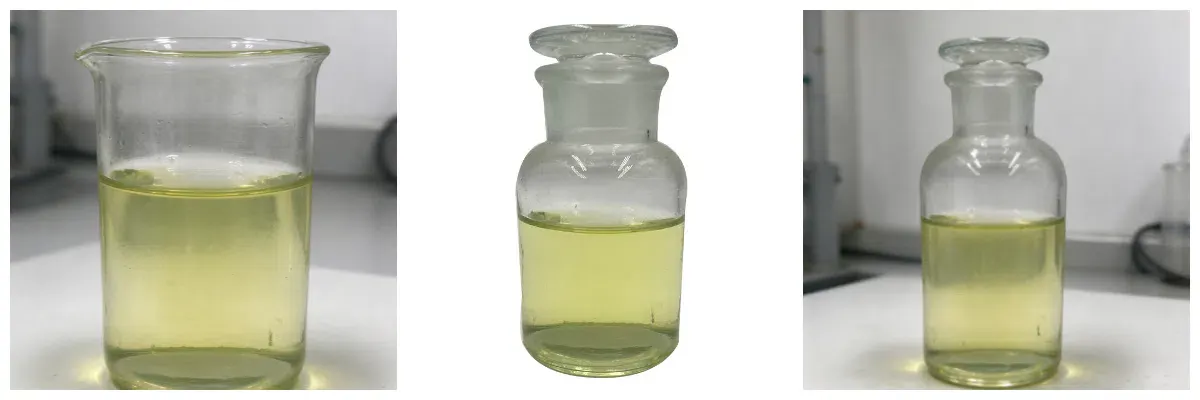
| Dimethyl disulfide Chemical Properties |
| Melting point | -85 °C |
| Boiling point | 109 °C(lit.) |
| density | 1.0625 |
| vapor density | 3.24 (vs air) |
| vapor pressure | 22 mm Hg ( 20 °C) |
| refractive index | n |
| FEMA | 3536 | DIMETHYL DISULFIDE |
| Fp | 76 °F |
| storage temp. | Flammables area |
| solubility | 2.7g/l |
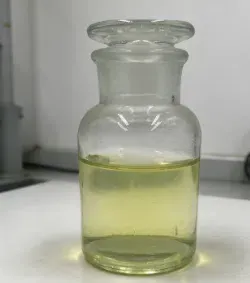
| form | Liquid |
| color | Clear yellow |
| Specific Gravity | 1.0647 (20/4℃) |
| Odor | at 0.10 % in propylene glycol. sulfurous vegetable cabbage onion |
| Odor Threshold | 0.0022ppm |
| Odor Type | sulfurous |
| biological source | rabbit |
| explosive limit | 1.1-16.1%(V) |
| Water Solubility | <0.1 g/100 mL at 20 ºC |
| JECFA Number | 564 |
| BRN | 1730824 |
| Exposure limits | ACGIH: TWA 0.5 ppm (Skin) |
| Dielectric constant | 9.7699999999999996 |
| Stability: | Stable. Incompatible with strong bases, strong oxidizing agents, strong reducing agents. Flammable. |
| InChI | 1S/C2H6S2/c1-3-4-2/h1-2H3 |
| InChIKey | WQOXQRCZOLPYPM-UHFFFAOYSA-N |
| SMILES | CSSC |
| LogP | 1.91 at 20℃ |
| CAS DataBase Reference | 624-92-0(CAS DataBase Reference) |
| NIST Chemistry Reference | Disulfide, dimethyl(624-92-0) |
| EPA Substance Registry System | Methyl disulfide (624-92-0) |
| Safety Information |
| Hazard Codes | F,Xn,N,T+ |
| Risk Statements | 11-20/22-36-51/53-36/37/38-26-22-36/37 |
| Safety Statements | 26-61-45-38-36/37/39-28A-16-60-57-39-29 |
| RIDADR | UN 2381 3/PG 2 |
| WGK Germany | 2 |
| RTECS | JO1927500 |
| Autoignition Temperature | 304 °C |
| TSCA | TSCA listed |
| HazardClass | 3 |
| PackingGroup | II |
| HS Code | 29309070 |
| Storage Class | 3 - Flammable liquids |
| Hazard Classifications | Acute Tox. 3 Inhalation Acute Tox. 3 Oral Aquatic Acute 1 Aquatic Chronic 1 Eye Irrit. 2 Flam. Liq. 2 Skin Sens. 1 STOT SE 1 Inhalation STOT SE 3 |
| Hazardous Substances Data | 624-92-0(Hazardous Substances Data) |
| Toxicity | LD50 orally in Rabbit: 290 - 500 mg/kg |
<h2>Product Application</h2>
<h3>Petrochemical Catalyst Pre‑Sulfiding Agent</h3>
Industrially, Dimethyl disulfide is widely adopted as an efficient sulfiding agent to activate catalysts within oil refineries and related chemical facilities. It decomposes under controlled heating conditions to release active sulfur, converting metal oxides on fresh hydrotreating, hydrodesulfurization and hydrocracking catalysts into catalytically active metal sulfide phases. This pre-sulfiding treatment optimizes catalyst activity, extends service life and supports stable refining operation. It has a low flash point of 16 ℃ (61 °F), which creates notable fire risks during refinery on-site use. Due to its strong odor and low flash point, Dimethyl disulfide typically requires storage under nitrogen pressure in closed containers.
<h3>Agricultural Soil Fumigant</h3>
DMDS works as an effective soil fumigant for controlling nematodes, pathogenic fungi and weed seeds in greenhouses, orchards and commercial vegetable fields. It is a popular alternative to many restricted fumigation products for sustainable soil treatment. Dimethyl disulfide has a sulfurous odor similar to that of garlic and decaying fish. Because of the distinctive odor of sulfur compounds, similar to DMDS, they are often added to natural gas and propane to warn of leaks and protect people. Therefore, the odor of a DMDS fumigation can be mistaken for a gas leak. DMDS has an odor threshold of approximately 7 ppb, which is about 8 times less than the health‐based level considered by the EPA to be safe (55 ppb). Site operators need to inform nearby residents in advance to avoid unnecessary panic or false emergency reports.
<h3>Food Flavor & Fragrance Raw Material</h3>
At extremely low addition ratios, dimethyl disulfide delivers characteristic onion and savory notes. It is blended with other aroma chemicals to formulate flavors for baked goods, cheese, meat products, soups, fruit flavors, candies, puddings and beverages. Strict dosage control is essential, as over-dosing will generate unpleasant rotten sulfur smells.
<h3>Intermediate for Fine Organic Synthesis</h3>
It serves as a key building block for the synthesis of various sulfur-containing fine chemicals, agrochemical intermediates and specialty additives. Manufacturers in the fine chemical sector use DMDS for selective thiolation and other customized synthetic routes.
<h2>Packaging & Transportation</h2>
<h3>Standard Packaging</h3>
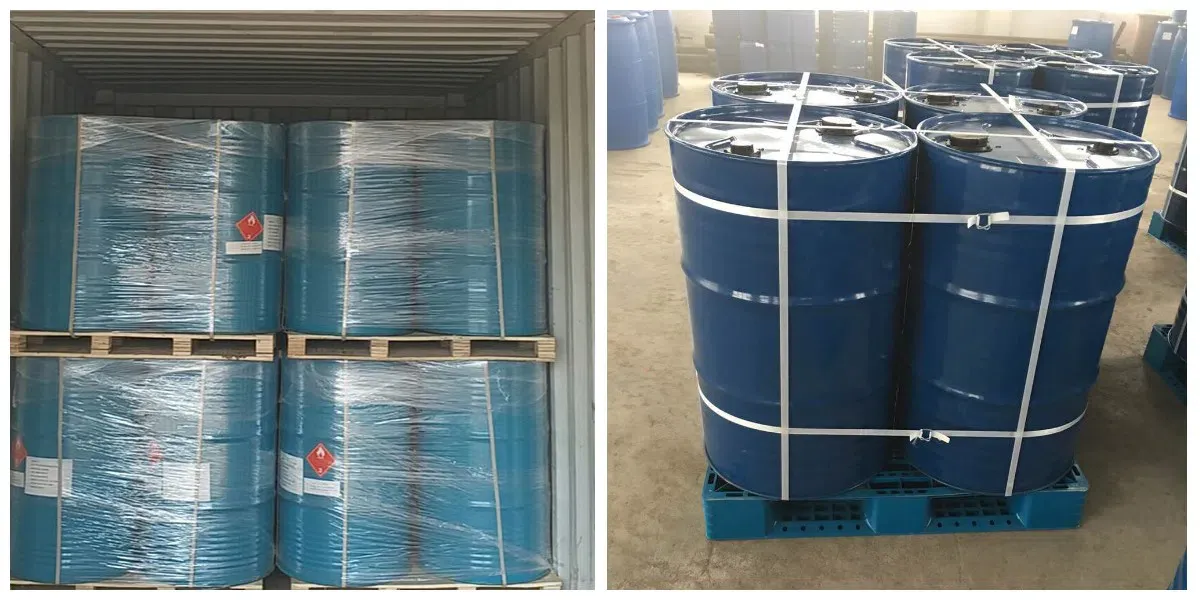
We pack dimethyl disulfide in airtight carbon steel drums or IBC totes with nitrogen blanketing inside. Nitrogen sealing isolates the product from oxygen, stabilizes purity and prevents quality degradation. All packages are printed with complete GHS hazard labels, UN shipping marks, batch numbers and traceability information. Custom packaging solutions can be negotiated for long-term cooperative clients.
<h3>Dangerous Goods Shipping Information</h3>
DMDS belongs to hazardous goods: UN 2381, Class 3 Flammable Liquid, Packing Group II. We work with qualified dangerous goods forwarders to arrange sea freight in compliance with IMDG regulations. Full set of export documents including SDS, COA, dangerous goods declaration, invoice and packing list will be prepared for smooth customs clearance.
<h2>Quality Assurance</h2>
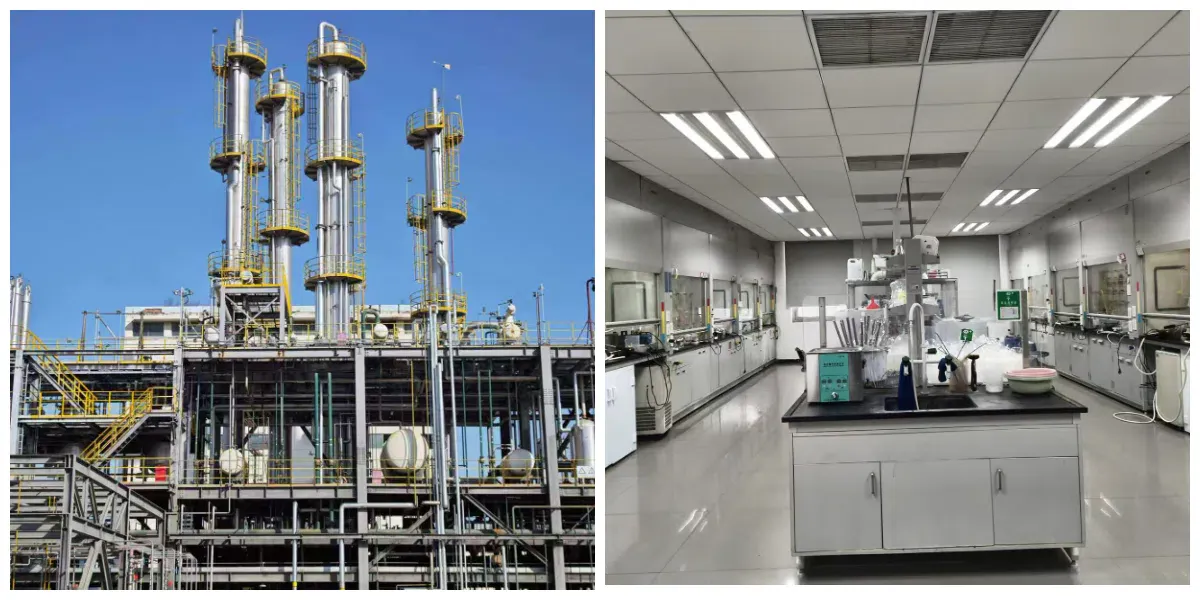
Each batch of dimethyl disulfide is tested in our laboratory before shipment. Our QC tests cover product purity, moisture, color and impurity inspection. A formal Certificate of Analysis (COA) will be provided together with cargo. Third-party inspection services can be arranged upon the buyer’s request. We maintain stable batch consistency to satisfy continuous industrial production demand.
<h2>Delivery Schedule</h2>
<h3>Fast Lead Time Arrangement</h3>
Fast delivery time is one of our core advantages.
In-stock goods: Shipment can be arranged within 2–3 working days after receiving your formal order and payment.
New production orders: The production and preparation cycle takes 7–10 working days. Our sales team will update production progress regularly for newly ordered batches.
<h2>After‑sales & Technical Support</h2>
Our professional team provides full after-sales and technical support for all DMDS customers. We can supply safety operation guidelines, storage suggestions and application tips for refinery sulfiding and agricultural fumigation. If you receive non-conforming goods or encounter any technical problems during usage, please contact our sales engineer promptly. We will respond and propose feasible solutions within 24 hours. For new buyers, we can also share safety training materials and risk control advice for on-site handling.
<h2>Cooperation Customer Cases</h2>
We have built stable long-term partnerships with refinery catalyst service companies, agricultural fumigation distributors and flavor manufacturers around the world. One of our key clients, a Southeast Asian catalyst service contractor, purchases our DMDS on an FCL basis for refinery turnaround projects. They value our consistent product purity and reliable nitrogen-sealed packaging. Another regular partner imports our DMDS for commercial soil disinfestation in protected farms, and they highly recognize our complete export document package for local registration and customs filing.
<h2>FAQ</h2>
<h3>Q1: Can DMDS be used directly as gas odorant for natural gas?</h3>
A1: Sulfur compounds with similar properties are widely used as gas warning odorants, but our DMDS is produced for catalyst sulfiding, agricultural fumigation and flavor synthesis. It is not specially formulated for natural gas odorization.
<h3>Q2: What warehouse conditions are required for DMDS storage?</h3>
A2: Store it in a cool, well-ventilated hazardous chemical warehouse. Keep containers tightly closed under nitrogen protection. Isolate it from oxidizing agents, strong acids, open flames and heat sources. Static grounding devices are required for fire prevention.
<h3>Q3: Is sample available for testing before bulk order?</h3>
A3: Lab samples can be provided for your evaluation. Since DMDS is classified as flammable hazardous liquid, sample delivery needs special dangerous goods courier arrangement, and the freight cost shall be borne by the buyer. Our minimum bulk order quantity is 1 FCL.
<h3>Q4: What documents can you provide for import customs clearance?</h3>
A4: We provide commercial invoice, packing list, COA, SDS, dangerous goods declaration and bill of lading. Certificate of origin and other supporting certificates can be applied according to your local customs requirements.