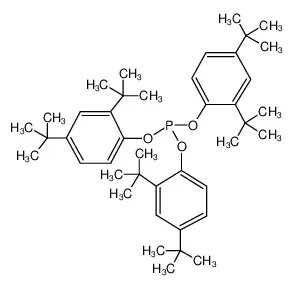
Antioxidant 168 CAS#31570‑04‑4
Antioxidant 168 is a high‑performance phosphite‑based secondary antioxidant. It possesses remarkable resistance against water extraction, paired with low volatility and outstanding thermal stability at elevated processing temperatures. It works by efficiently decomposing harmful hydroperoxides that form when polymer materials are subjected to high‑temperature mechanical processing. This function helps to avoid molecular‑chain degradation and preserves the original physical properties of finished plastic products.
This stabilizer is seldom used by itself. It is typically formulated together with hindered phenolic primary antioxidants, for example Antioxidant 1010. The combination creates strong synergistic effects, which significantly boost the thermal processing stability of polymers and inhibit thermal‑induced yellowing and discoloration during extrusion, injection molding and recycling.
More than ten commercially proven composite antioxidant blends are available based on Antioxidant 168 matched with phenolic antioxidants. These compound systems are widely adopted for various polymer substrates, covering PE, PP, PA, PC, ABS, and many other general‑purpose and engineering plastic grades.
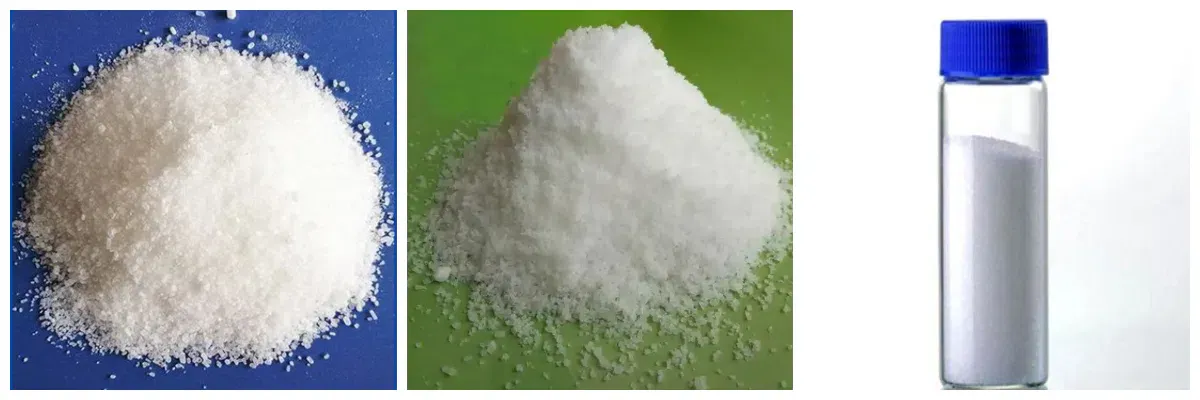
Antioxidant 168 Chemical Properties |
Melting point | 181-184 °C(lit.) |
Boiling point | 594.2±50.0 °C(Predicted) |
density | -0.98 |
Fp | 46°C (115°F) |
storage temp. | 2-8°C |
solubility | Acetonitrile (Slightly), Chloroform (Sparingly), Ethyl Acetate (Sparingly, Heate |
form | Powder |
color | white |
Specific Gravity | 0.98 |
Sensitive | moisture sensitive |
Hydrolytic Sensitivity | 4: no reaction with water under neutral conditions |
Stability: | Moisture Sensitive |
InChIKey | JKIJEFPNVSHHEI-UHFFFAOYSA-N |
SMILES | CC(C)(C)c1ccc(OP(Oc2ccc(cc2C(C)(C)C)C(C)(C)C)Oc3ccc(cc3C(C)(C)C)C(C)(C)C)c(c1)C(C)(C)C |
LogP | 18 at 25℃ |
CAS DataBase Reference | 31570-04-4(CAS DataBase Reference) |
EPA Substance Registry System | Tris(2,4-di-tert-butylphenyl) phosphite (31570-04-4) |
Safety Information |
WGK Germany | - |
TSCA | TSCA listed |
HS Code | 2920900002 |
Storage Class | 13 - Non Combustible Solids |
When synergistically compounded with other classic Ciba-series phenolic antioxidants, Antioxidant 168 delivers exceptional thermal oxidation stabilization and anti-yellowing performance, boasting a versatile and extensive application range covering most mainstream polymer materials and organic substrates. It is highly compatible with various polyolefins and olefin copolymers, including high-density polyethylene (HDPE), linear low-density polyethylene (LLDPE), general-grade polypropylene, polybutene, and ethylene-vinyl acetate (EVA) copolymers, effectively stabilizing material properties during high-temperature processing and long-term service.
In addition to polyolefin materials, its compound formulations are perfectly applicable to high-performance engineering plastics such as polycarbonates (PC) and polyamides (PA). They also work excellently for polyester materials, styrene homopolymers and copolymers including PS and ABS, as well as industrial adhesives, natural tackifier resins and synthetic tackifier resins. Furthermore, this antioxidant is widely utilized in various elastomer products such as BR, SEBS and SBS, effectively preventing thermal oxidative degradation and maintaining the original elasticity and mechanical toughness of rubber materials.
To achieve comprehensive long-term anti-aging and weather resistance effects, Antioxidant 168 blends can be perfectly matched with TINUVIN and CHIMASSORB series light stabilizers. The combined system can simultaneously resist thermal oxidation aging and ultraviolet radiation damage, greatly extending the service life of plastic, rubber and polymer end products, and is suitable for high-standard outdoor and long-service-life material scenarios.
Fast & Flexible Delivery Support
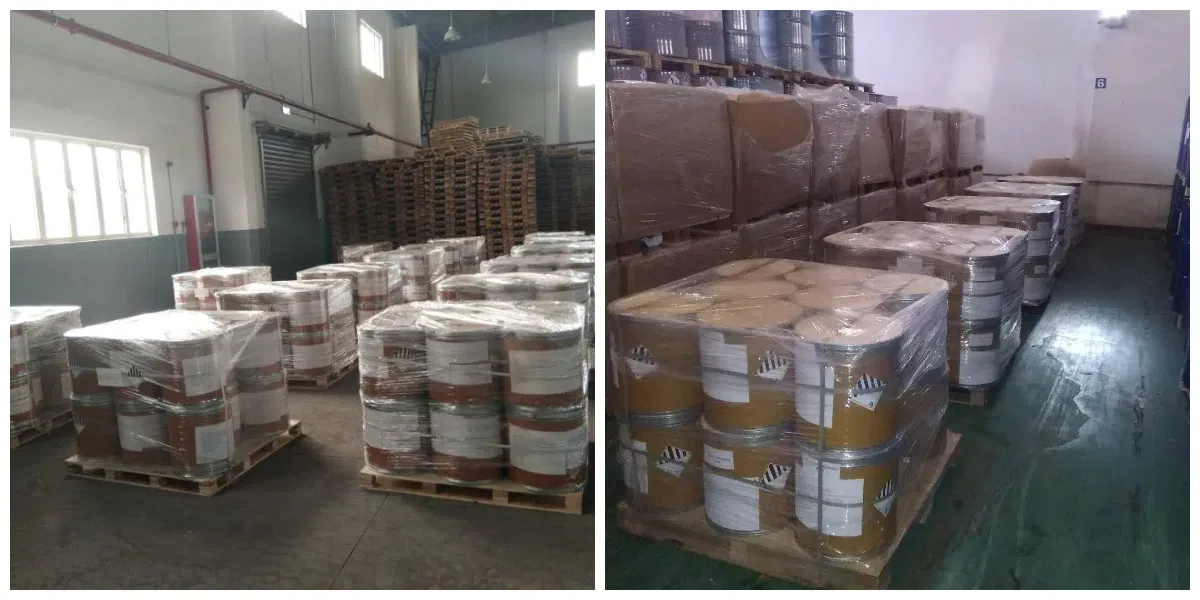
We provide efficient and reliable global shipment services to meet customers’ diverse procurement schedules. In-stock orders can be delivered within 2–3 working days, ensuring fast supply for urgent production demands. For customized new production orders, the standard production and delivery cycle is 7–10 working days, with stable quality and sufficient supply to support bulk continuous procurement.
Previous Product: Glyceryl monostearate CAS#31566-31-1