Product Details
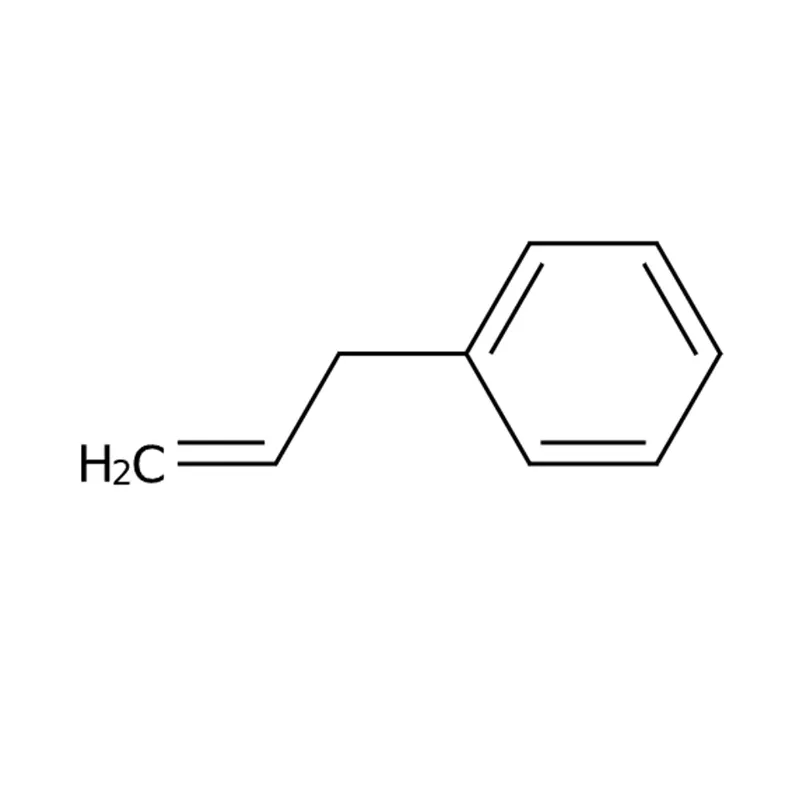
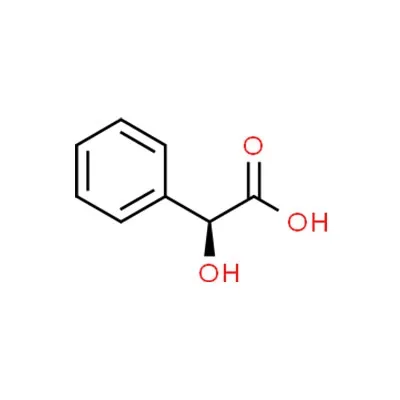
DL‑Mandelic acid is a characteristic aromatic metabolite produced from styrene metabolism. When styrene undergoes biological conversion inside living systems, DL‑mandelic acid is formed, which is frequently used as an indicator for evaluating styrene uptake and metabolic processes.
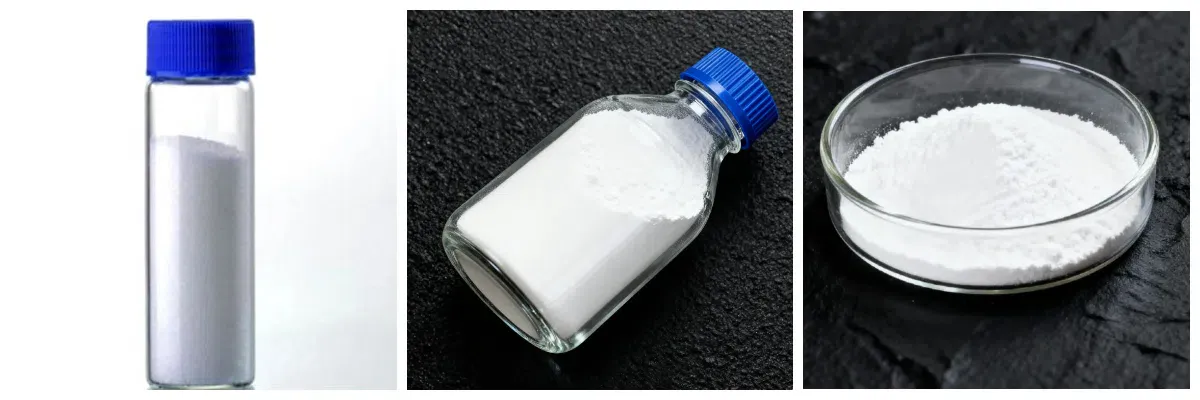
| DL-Mandelic acid Chemical Properties |
| Melting point | 119-121 °C (lit.) |
| alpha | [α]D20 -0.5~+0.5° (c=2, H2O) |
| Boiling point | 214.6°C (rough estimate) |
| bulk density | 750kg/m3 |
| density | 1.30 |
| vapor pressure | 0.01 Pa (50 °C) |
| refractive index | 1.4810 (estimate) |
| storage temp. | Store below +30°C. |
| solubility | 139g/l |
| pka | 3.85(at 25℃) |
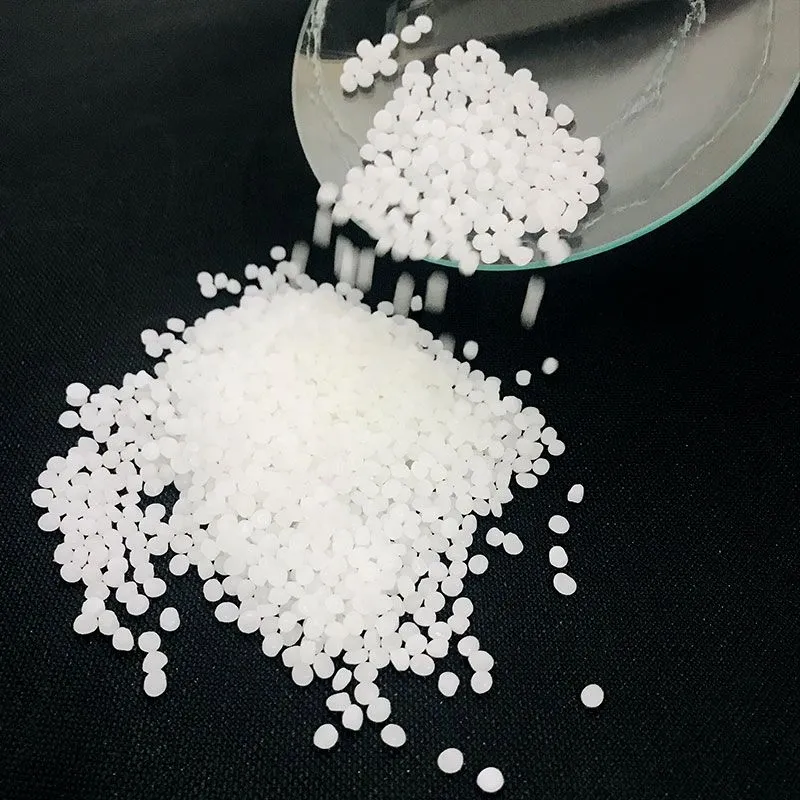
| form | Crystals or Crystalline Powder |
| color | White |
| Odor | faint odor |
| PH | 2.3 (10g/l, H2O) |
| Optical Rotation | [α]/D 0±1°, c = 5 in H2O |
| Water Solubility | 150 g/L (20 ºC) |
| Sensitive | Light Sensitive |
| Merck | 14,5717 |
| BRN | 510011 |
| Major Application | cleaning products cosmetics food and beverages forensics and toxicology personal care veterinary |
| Cosmetics Ingredients Functions | ANTIMICROBIAL |
| InChI | 1S/C8H8O3/c9-7(8(10)11)6-4-2-1-3-5-6/h1-5,7,9H,(H,10,11) |
| InChIKey | IWYDHOAUDWTVEP-UHFFFAOYSA-N |
| SMILES | OC(C(O)=O)c1ccccc1 |
| LogP | 0.5 at 23℃ |
| CAS DataBase Reference | 90-64-2(CAS DataBase Reference) |
| NIST Chemistry Reference | Benzeneacetic acid, «alpha»-hydroxy-(90-64-2) |
| EPA Substance Registry System | Mandelic acid (90-64-2) |
| Safety Information |
| Hazard Codes | Xn,Xi |
| Risk Statements | 36/37/38-22 |
| Safety Statements | 22-24/25-37/39-26-36 |
| WGK Germany | 3 |
| RTECS | OO6300000 |
| TSCA | TSCA listed |
| HS Code | 29181990 |
| Storage Class | 13 - Non Combustible Solids |
| Hazard Classifications | Eye Dam. 1 |
Product Application Of DL-Mandelic acid CAS#90-64-2
1. Main Application & Usage Scenarios
1.1 Biological Monitoring & Toxicology Testing
DL-Mandelic acid may be used as an analytical reference standard for the determination of DL-mandelic acid in biological specimens. It is widely adopted in occupational exposure monitoring of styrene.
Human urine samples: detected via high performance liquid chromatography (HPLC) coupled with ultraviolet (UV) detector.
Rat urine samples: quantified by gas chromatography-mass spectrometry (GC-MS) with selected ion monitoring (SIM) detection.
This standard substance helps laboratories accurately test styrene metabolite levels, supporting occupational health assessment, toxicological mechanism research and related environmental exposure studies.
1.2 Chiral Chemistry & Organic Synthesis
As a racemic α-hydroxycarboxylic acid, DL-Mandelic acid acts as a versatile chiral auxiliary and synthetic intermediate in organic labs. It can participate in esterification, condensation and resolution reactions for the preparation of chiral compounds and pharmaceutical intermediates.
1.3 Quality Control Standard for R&D Laboratories
It serves as a certified reference material for method validation, instrument calibration, recovery rate test and precision verification in analytical laboratories. R&D teams use it to verify the stability, accuracy and repeatability of newly developed detection methods.
2. Packaging Specification
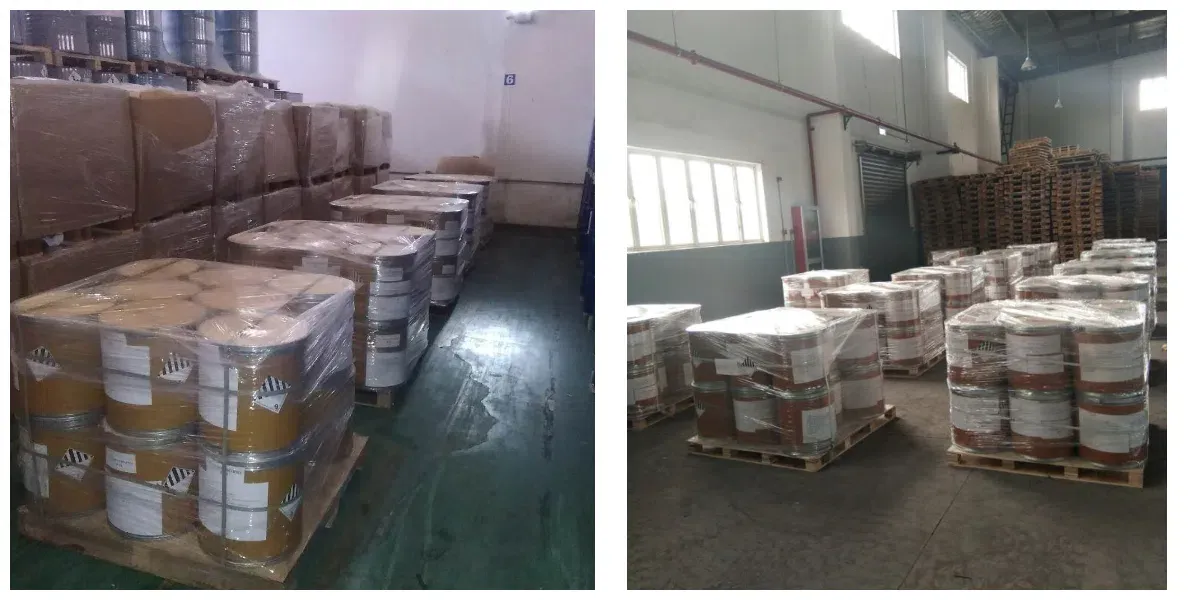
Standard package: 25 kg per fiber drum / plastic drum, lined with double-layer PE inner bag to prevent moisture absorption and contamination.
Small trial package: 100g, 500g, 1kg aluminum foil bag / bottle for lab test orders.
Custom packaging: Package size, label design and hazard marking can be customized according to customers’ laboratory or GMP documentation requirements.
3. Transportation & Storage Guidance
3.1 Transportation Notes
This product belongs to general fine chemical, non-dangerous goods under regular transport classification. It should be kept away from direct sunlight, rain and high temperature during transit. We select stable logistics routes and take shockproof measures to avoid package breakage.
3.2 Storage Requirements
Store in a cool, dry, ventilated warehouse. Keep container tightly sealed. Avoid strong light, excessive heat and contact with strong oxidants. Proper storage can guarantee the indicator stability and extend the valid shelf life.
4. Delivery Schedule
Fast delivery time
In-stock goods: Shipment within 2–3 working days after payment confirmation.
New production order: Production and arrangement take 7–10 working days, subject to production schedule confirmation.
We will send photos of finished goods and packing pictures before shipment.
5. After-Sales Service
Tracking service: Provide logistics tracking number once goods leave our warehouse, and update delivery status actively.
Quality support: Supply COA (Certificate of Analysis), HPLC spectrum, MS spectrum and other supporting documents together with shipment.
Quality complaint handling: If any quality discrepancy is confirmed after receipt, our technical team will follow up quickly to communicate solutions such as re-testing, supplement or negotiation.
Technical consultation: Our chemists provide basic technical support about detection method, solubility and sample preparation.
6. Customer Cases
Our DL-Mandelic acid reference standard has been supplied to occupational health inspection institutes, university chemistry laboratories, toxicology research centers and third-party testing companies. Customers mainly use it for styrene biomonitoring projects, academic research papers and laboratory method validation. We can provide reference supply proof (without confidential information) for your tender or project review upon request.
7. FAQ
Q1: Is this DL-Mandelic acid suitable only for urine styrene detection?
A1: Its most mature application is styrene metabolite biomonitoring. Besides, it can also be used for organic synthesis research and analytical instrument calibration.
Q2: Can we buy small quantity for lab trial first before bulk order?
A2: Yes, small trial packages are available for preliminary testing. After you confirm the quality and test effect, you can place bulk FCL orders.
Q3: What documents can you provide together with the goods?
A3: Normally we offer COA, packing list, commercial invoice. Spectral data and technical datasheet (TDS) are available on request.
Q4: How long is the shelf life?
A4: 24 months under recommended sealed storage conditions. The expiry date will be marked clearly on each package label.