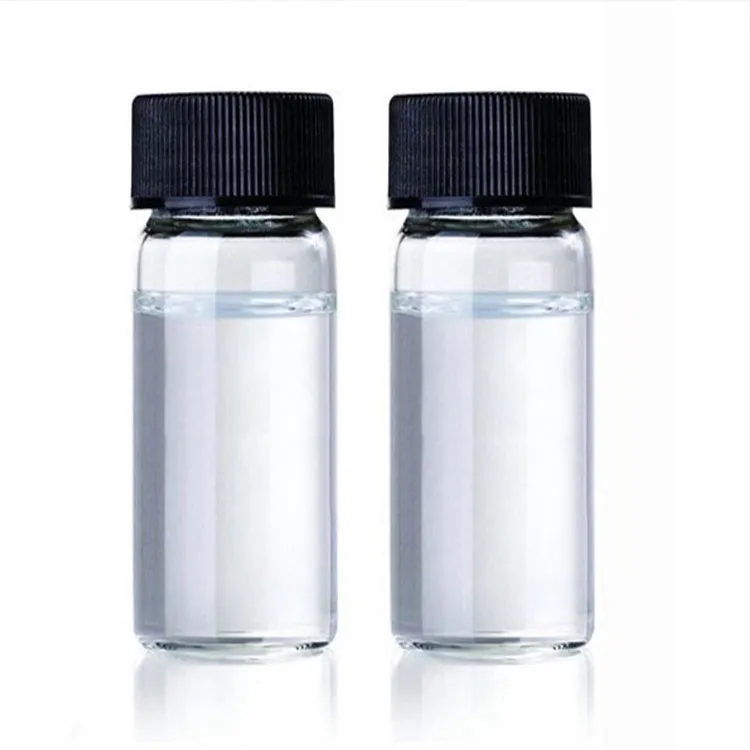
Deuterated chloroform (CDCl₃), also known as chloroform-d, stands as one of the most widely adopted and reliable deuterated solvents for laboratory analytical work, serving as an excellent everyday solvent choice for scientists who demand exceptional and reproducible experimental results.
Commonly used as the primary solvent in proton NMR (¹H NMR) spectroscopy, chloroform-d is favored largely because its deuterated structure eliminates interfering proton signals that would otherwise overlap with analyte peaks, delivering clean, interpretable NMR spectra. Chloroform-d can dissolve a vast array of compounds with ease due to its weak polarity, making it highly compatible with numerous non-polar and moderately polar organic substances including hydrocarbons, esters, aromatic compounds, alkaloids and many polymer intermediates.
It is often used in combination with methanol-d as a cosolvent for samples with limited solubility in neat CDCl₃. The blended solvent system balances polarity, allowing researchers to test a broader range of analytes and obtain satisfactory dissolution before NMR measurement. Plus, its low boiling point makes it relatively easy to recover a sample post-NMR analysis or during organic syntheses; gentle vacuum evaporation can remove CDCl₃ efficiently without causing degradation to most target molecules.
Additional practical advantages include good chemical stability under typical NMR testing conditions and compatibility with standard NMR tube materials. It is routinely supplied with a small amount of TMS (tetramethylsilane) or silver foil stabilizer to suppress decomposition and prevent the formation of harmful phosgene upon prolonged light exposure, a critical quality feature for long-term storage in analytical laboratories.
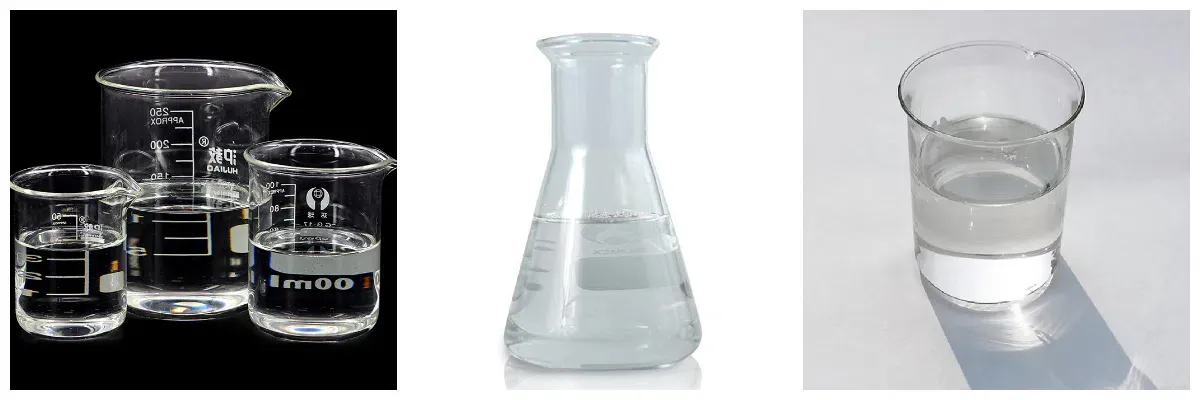
| Chloroform-d Chemical Properties |
| Melting point | -63,5°C |
| Boiling point | 61-62°C |
| density | d = 1,5 |
| vapor pressure | 211 hPa (20 °C) |
| refractive index | n |
| Fp | 62°C |
| storage temp. | Store at +2°C to +8°C. |
| solubility | Miscible with organic solvents, ethyl acetate and acetone. |
| form | Liquid |
| Specific Gravity | 1.505 |
| color | White to beige |
| Water Solubility | 4.6g/L |
| Sensitive | Moisture Sensitive |
| BRN | 1697633 |
| Exposure limits | ACGIH: TWA 10 ppm OSHA: Ceiling 50 ppm(240 mg/m3) NIOSH: IDLH 500 ppm; STEL 2 ppm(9.78 mg/m3) |
| Stability: | Stable. Incompatible with strong bases, alkali metals, aluminium, magnesium, strong oxidizing agents. |
| InChI | 1S/CHCl3/c2-1(3)4/h1H/i1D |
| InChIKey | HEDRZPFGACZZDS-MICDWDOJSA-N |
| SMILES | [2H]C(Cl)(Cl)Cl |
| LogP | 1.5-1.6 at 20-23℃ and pH9 |
| Surface tension | 72.3mN/m at 998.5mg/L and 20℃ |
| CAS DataBase Reference | 865-49-6(CAS DataBase Reference) |
| EPA Substance Registry System | Chloroform-d (865-49-6) |
| Safety Information |
| Hazard Codes | Xn,T |
| Risk Statements | 22-38-40-48/20/22-48/20-36/38-20/22-63 |
| Safety Statements | 36/37 |
| RIDADR | UN 1888 6.1/PG 3 |
| WGK Germany | 2 |
| HazardClass | 6.1 |
| PackingGroup | III |
| HS Code | 28459000 |
| Hazard Classifications | Acute Tox. 3 Inhalation Acute Tox. 4 Oral Carc. 2 Eye Irrit. 2 Repr. 2 Skin Irrit. 2 STOT RE 1 Oral STOT SE 3 |
| Toxicity | LD50 orally in Rabbit: 695 mg/kg LD50 dermal Rabbit > 3980 mg/kg |