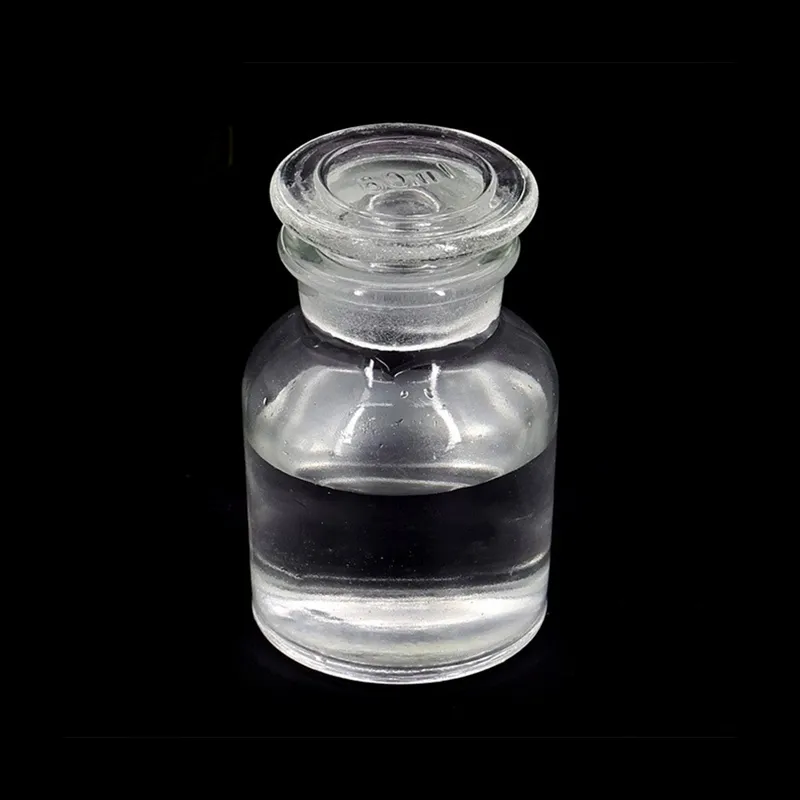
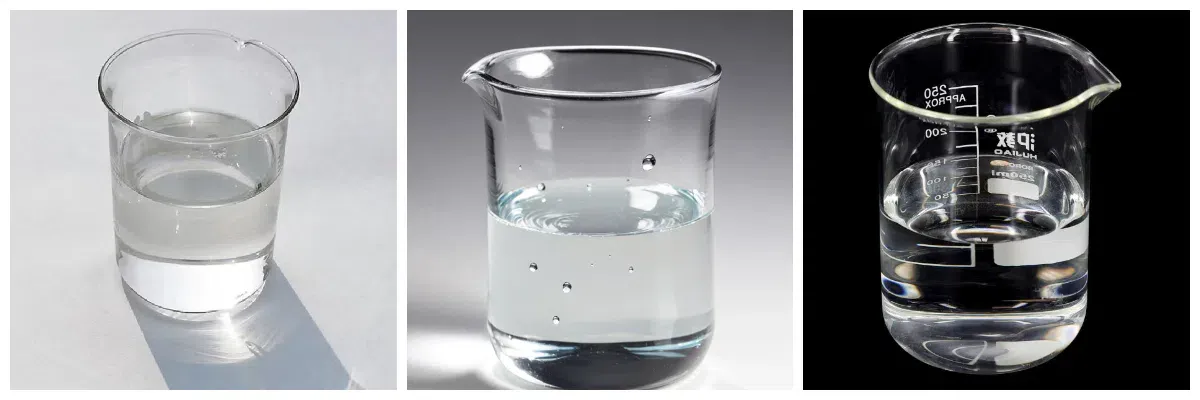
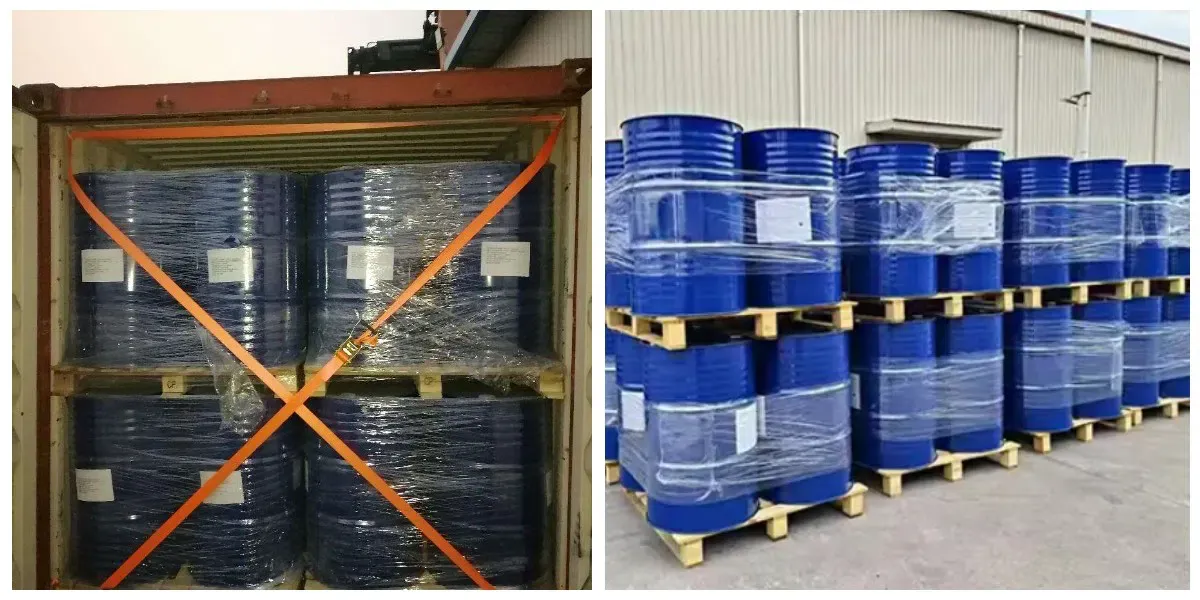
Poly(methylhydrosiloxane) serves as a versatile, mild polymeric reducing agent widely adopted in organic synthetic chemistry. It demonstrates reliable performance in a broad scope of reduction reactions. For instance, it enables the reduction of esters into corresponding alcohols, and effectively reduces aldehydes and ketones to their respective alcohol derivatives. Beyond carbonyl compounds, this silicon-based reducing agent can facilitate the transformation of phosphine oxides to phosphines under appropriate catalytic conditions. A growing number of recent research works further expand its application scope, employing poly(methylhydrosiloxane) for the conjugate reduction of α, β-unsaturated carbonyl compounds and carboxyl derivatives. Additionally, it acts as a practical reducing reagent for greener synthetic routes of amines via reductive amination reactions. This application provides a viable alternative to conventional borohydride reducing agents, helping to reduce harsh reaction conditions and improve environmental friendliness in synthetic workflows.
Poly(methylhydrosiloxane) Chemical Properties
Melting point
<-60°C
Boiling point
142 °C(lit.)
density
1.006 g/mL at 25 °C (lit.)
vapor pressure
38 hPa (20 °C)
refractive index
n20/D 1.382(lit.)
Fp
204 °C
storage temp.
Store below +30°C.
solubility
Soluble in most ethereal, chlorinated, or hydrocarbon solvents as well as EtOH, i-PrOH, warm DMF, and warm NMP; insoluble in MeOH, DMSO, acetonitrile, and water
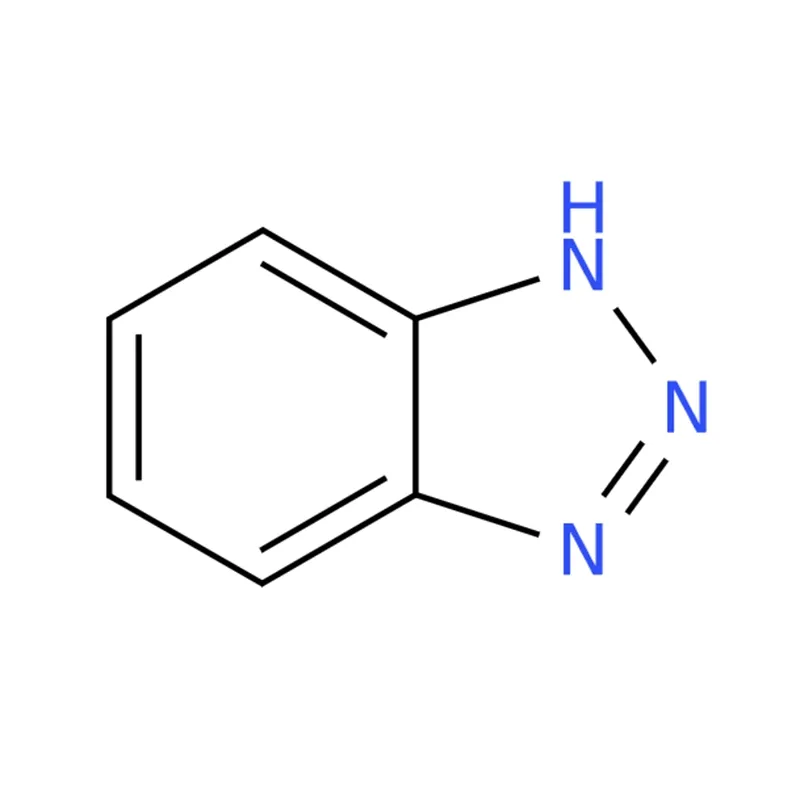
1H-Benzotriazole Technical & Research Brief 1. Core Structural & Chemical Characteristics 1.1 Simplified Molecular Structure 1H-Benzotriazole is the simplest member of the benzotriazole family, featuring a compact molecular structure: a benzene ring directly fused with a 1H-1,2,3-triazole ring. This
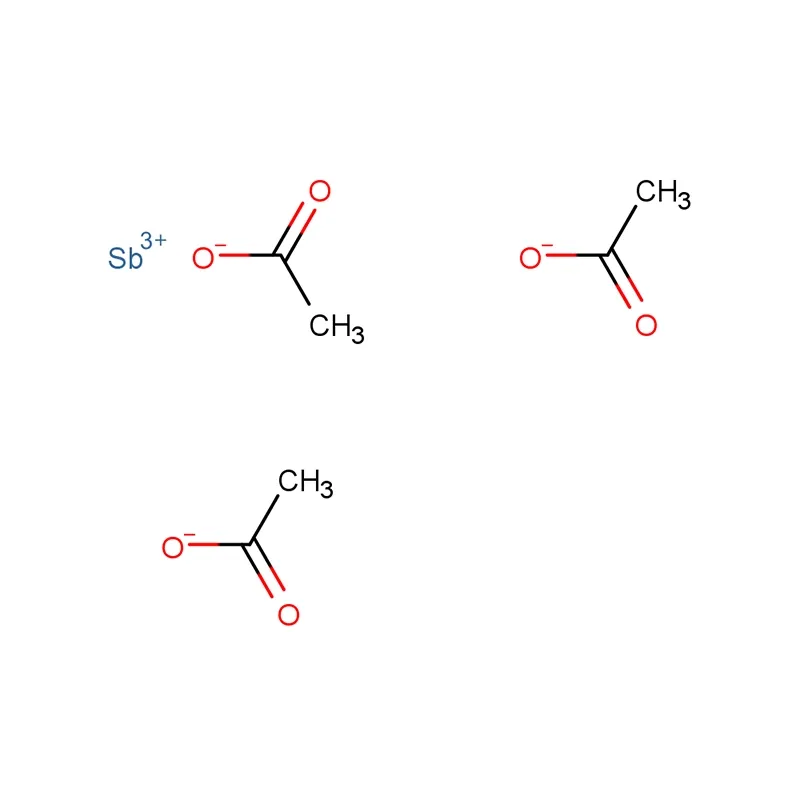
Product Details Product Description of Antimony Triacetate (CAS No.: 6923-52-0) Antimony(III) acetate, chemically denoted as Sb(CH₃CO₂)₃, is an antimony-based compound. It is characterized by a white powder appearance, moderate solubility in water, and is widely utilized as a catalyst in the manufac
Petrolatum CAS#8009‑03‑8 Commonly referred to as vaseline, Petrolatum is refined from lubricating‑oil fractions. As a versatile foundational raw material for pharmaceuticals, cosmetics and multiple industrial sectors, it is available in general‑grade, industrial‑grade and medical‑grade specification
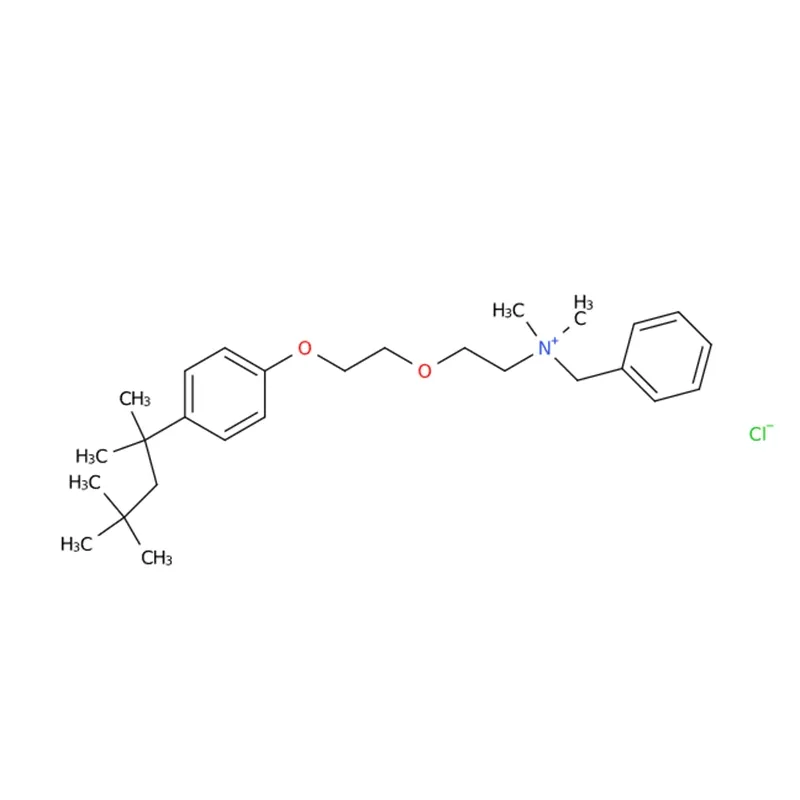
Product Details Product Description of Benzethonium Chloride (CAS No.: 121-54-0) Benzethonium chloride is a new-generation quaternary ammonium salt antibacterial agent that is widely applied in the daily chemical and cosmetic industries. Its excellent bactericidal and antibacterial properties make i
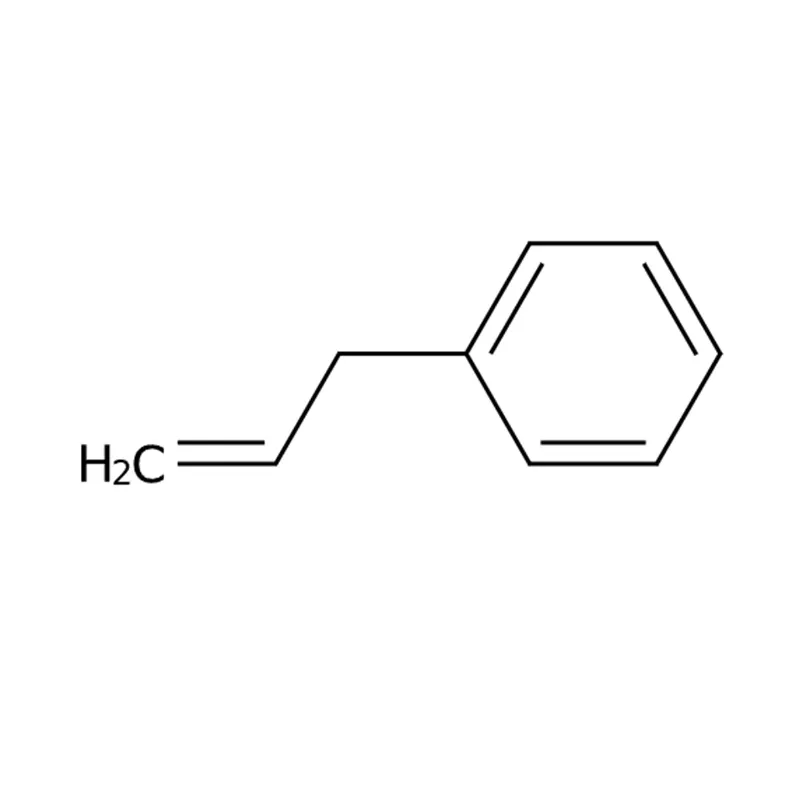
Product Details Product Description of Allylbenzene (CAS No.: 300-57-2) Allylbenzene is an organic compound with a molecular formula of C₉H₁₀ and a molecular weight of 118.18, appearing as a colorless liquid. It dissolves well in ethanol, diethyl ether, and benzene but is insoluble in water, which c