sec-Butyl 2-(2-hydroxyethyl)piperidine-1-carboxylate CAS#119515-38-7
Picaridin is a popular synthetic insect repellent acting via disruption of insect olfactory signalling pathways. It suppresses the activity of A. aegypti odorant receptor 2 (AaOR2) and AaOR8 triggered by their respective ligands indole and octenol in Xenopus oocyte expression assays, with IC₅₀ values of 1,452 μM and 1,911 μM. In olfactory choice tests, Picaridin reduces food-chamber visiting behaviour of female D. melanogaster. It shows clear synergism with the non-pyrethroid insecticide pyrimiphos methyl; when applied onto cage surrounding nets at 10 g/m², the combination improves mortality of A. gambiae and inhibits blood feeding. Formulations based on Picaridin provide reliable repellent performance against flies, mosquitoes, chiggers, ticks and fleas across personal care and public health use cases.
| sec-Butyl 2-(2-hydroxyethyl)piperidine-1-carboxylate Chemical Properties |
| Melting point | <-170° |
| Boiling point | 2800C |
| density | d20 1.07 |
| refractive index | nD20 1.4717 |
| Fp | 142°C |
| storage temp. | Sealed in dry,2-8°C |
| solubility | Chloroform (Slightly), Methanol (Slightly) |
| form | Oil |
| pka | 15.15±0.10(Predicted) |
| color | Colourless |
| Cosmetics Ingredients Functions | ANTIMICROBIAL |
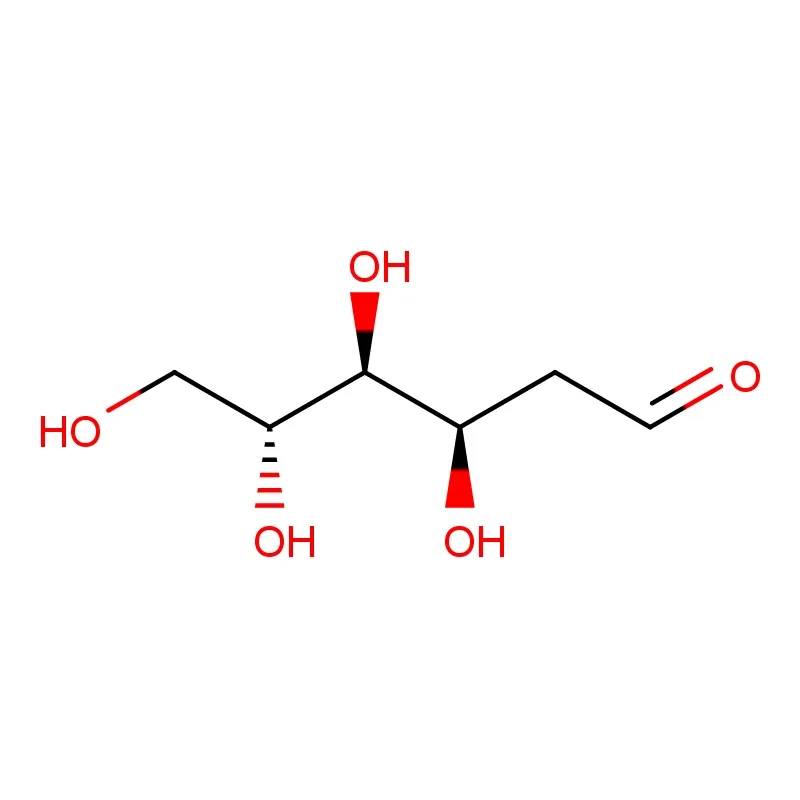
| InChI | InChI=1S/C12H23NO3/c1-3-10(2)16-12(15)13-8-5-4-6-11(13)7-9-14/h10-11,14H,3-9H2,1-2H3 |
| InChIKey | QLHULAHOXSSASE-UHFFFAOYSA-N |
| SMILES | N1(C(OC(C)CC)=O)CCCCC1CCO |
| CAS DataBase Reference | 119515-38-7 |
| EPA Substance Registry System | Icaridin (119515-38-7) |
| Safety Information |
| Hazardous Substances Data | 119515-38-7(Hazardous Substances Data) |
| Toxicity | LD50 in rats (mg/kg): 4743 orally; >2000 dermally (Yap); LC50 in rainbow trout (96 hr): 173 mg/l; in bobwhite quail (5 day diet): >5000 ppm a.i. in diet (WHO). |
sec-Butyl 2-(2-hydroxyethyl)piperidine-1-carboxylate CAS#119515-38-7
Picaridin is a well-established synthetic insect repellent that functions primarily by interfering with insects’ olfactory perception systems. It effectively inhibits Aedes aegypti odorant receptor 2 (AaOR2) and AaOR8 when coexisting with their respective natural activating odorants indole and octenol. These receptor assays are conducted using Xenopus oocyte expression systems, with measured IC₅₀ values of 1,452 μM and 1,911 μM for AaOR2 and AaOR8 respectively. In olfactory preference laboratory trials, Picaridin significantly lowers the frequency at which female Drosophila melanogaster enter food-seeking chambers, demonstrating its ability to disrupt host- and food-oriented olfactory behaviours in insects.
Notably, Picaridin exhibits prominent synergistic effects when combined with pyrimiphos methyl, a non-pyrethroid organophosphate insecticide. In test setups using nets surrounding guinea pig cages treated at 10 g/m², the blend achieves elevated mortality rates against Anopheles gambiae and delivers strong suppression of mosquito blood-feeding activity. Thanks to its broad-spectrum repellent activity, finished formulations incorporating Picaridin are widely deployed to deter various nuisance and vector arthropods, including flies, mosquitoes, chiggers, ticks and fleas for personal protection and vector control applications.
Beyond its excellent repellent efficacy, Picaridin features outstanding safety profiles and superior formulation compatibility compared with traditional repellent ingredients. It is colorless, low-odor, non-greasy, and causes minimal irritation to human skin and mucous membranes, making it suitable for long-duration outdoor protection and safe use on sensitive skin. The ingredient boasts stable chemical properties under normal storage and application conditions, with excellent water resistance and long-lasting protection effect. It is widely compatible with cosmetic solvents, emulsifiers and other cosmetic raw materials, allowing flexible formulation into sprays, lotions, creams and other insect-repellent personal care products. As a mild, efficient and eco-friendly insect repellent component, it has gradually become a preferred alternative to DEET in the global daily chemical and public health industries.