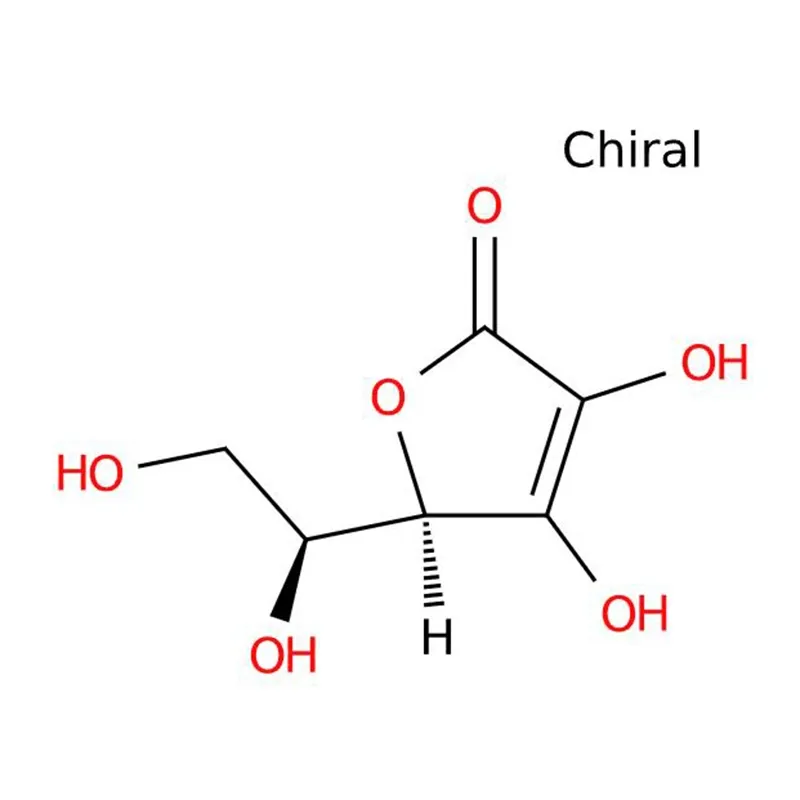
Vitamin C, scientifically known as L-ascorbic acid, is an indispensable water-soluble vitamin for humans, higher primates, and some other living organisms, and it is also one of the core nutrients that maintain the normal operation of the human body. In nature, most organisms can synthesize ascorbic acid through their own metabolic cycles to meet their physiological needs. For example, common plants and most mammals can synthesize it independently without the need for additional intake from the outside. However, humans are a significant exception to this rule. Due to the lack of L-gulonolactone oxidase, a key enzyme required for the synthesis of ascorbic acid in the body, humans cannot produce vitamin C on their own. Therefore, it must be obtained from external sources through daily diet, dietary supplements, and other means. Long-term insufficient intake will lead to various health problems.
When it comes to the core function of vitamin C, its most well-known role is the prevention of scurvy. This disease was once prevalent among people engaged in ancient maritime navigation, long-term fieldwork, and other groups. The main reason is that these people lacked fresh fruits and vegetables for a long time, resulting in a serious shortage of vitamin C intake. The main symptoms of scurvy include gum bleeding, skin ecchymosis, joint pain, and decreased immunity. In severe cases, it can also affect the normal function of multiple systems such as the cardiovascular and skeletal systems. Sufficient supplementation of vitamin C can effectively prevent the occurrence of this disease, which also makes vitamin C the first vitamin in human history to be clearly associated with the prevention of specific diseases, fully highlighting its key position in maintaining the basic health of the human body.
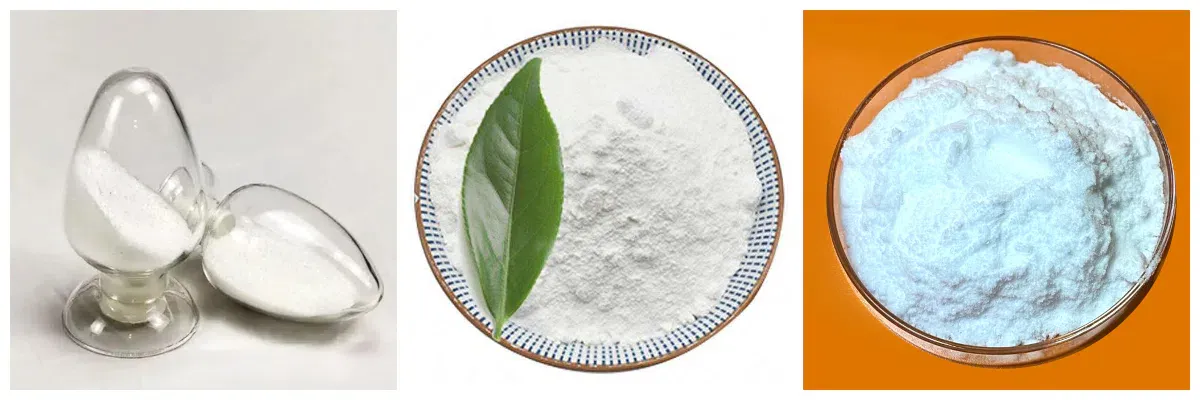
From the perspective of pharmacological classification, vitamin C belongs to ascorbate compounds, and its pharmacological activity is mainly reflected in two core aspects, which cooperate with each other to jointly protect the body's health. First of all, vitamin C is a highly active antioxidant. In the organism, it can quickly react with free radicals and neutralize excess free radicals produced in the body due to metabolism, environmental pollution, ultraviolet radiation, etc., thereby effectively protecting cell tissues from oxidative damage. This antioxidant effect can not only reduce the damage of free radicals to cell membranes, proteins, and DNA, delay cell aging, but also assist in protecting organs and tissues such as the cardiovascular system and skin, and reduce the risk of various chronic diseases caused by oxidative stress.
Secondly, vitamin C is also an essential cofactor for various enzymatic reactions in the body, participating in hundreds of key physiological processes of the organism, which is crucial for maintaining the normal operation of various bodily functions. One of the most representative roles is its participation in the synthesis of collagen—collagen is an important component of tissues such as the skin, bones, joints, and blood vessel walls. Vitamin C can promote the cross-linking and synthesis of collagen, enhance skin elasticity, maintain the toughness of bones and joints, and at the same time help wound healing and accelerate the repair of damaged tissues. In addition, vitamin C can also participate in the absorption and utilization of iron, promote the intestinal absorption of non-heme iron, and improve iron-deficiency anemia. At the same time, it assists in strengthening the body's immune function, promotes the proliferation and activation of immune cells, enhances the body's resistance to pathogens, and plays a positive role in the prevention and recovery of diseases such as colds and infections.
It is worth mentioning that as a water-soluble vitamin, vitamin C has the characteristics of easy absorption and no accumulation. It can dissolve quickly in water, and after entering the human body, it can be rapidly absorbed through the intestines, and then transported to various tissues and organs of the body through blood circulation to exert physiological effects in a timely manner. Excess vitamin C in the body will be excreted from the body with urine through the kidneys and will not accumulate excessively in the body. Therefore, moderate supplementation generally does not produce toxic and side effects, and has high safety. This characteristic also makes vitamin C one of the most widely used and easily accepted nutrients in daily dietary supplements. Whether it is obtained through fresh fruits and vegetables or dietary supplements, it can effectively meet the body's needs and escort physical health.
| Melting point | 190-194 °C (dec.) |
| alpha | 20.5 º (c=10,H2O) |
| Boiling point | 227.71°C (rough estimate) |
| density | 1,65 g/cm3 |
| FEMA | 2109 | ASCORBIC ACID |
| refractive index | 21 ° (C=10, H2O) |
| storage temp. | Store at +5°C to +30°C. |
| solubility | H2O: 50 mg/mL at 20 °C, clear, nearly colorless |
| form | powder |
| pka | 4.04, 11.7(at 25℃) |
| color | white to slightly yellow |
| PH | 3.59(1 mM solution);3.04(10 mM solution);2.53(100 mM solution); |
| Odor | Odorless |
| PH Range | 1 - 2.5 |
| biological source | synthetic (organic) |
| Odor Type | green |
| optical activity | [α]25/D 19.0 to 23.0°, c = 10% in H2O |
| Water Solubility | 333 g/L (20 ºC) |
| Merck | 14830 |
| BRN | 84272 |
| BCS Class | 1 |
| Stability: | Stable. May be weakly light or air sensitive. Incompatible with oxidizing agents, alkalies, iron, copper. |
| InChIKey | CIWBSHSKHKDKBQ-JLAZNSOCSA-N |
| LogP | -1.85 |
| CAS DataBase Reference | 50-81-7(CAS DataBase Reference) |
| NIST Chemistry Reference | L-Ascorbic acid(50-81-7) |
| EPA Substance Registry System | Ascorbic acid (50-81-7) |
| Absorption | cut-off at 306nm in H2O at 1M |
| Safety Information |
|
| Hazard Codes |
|
| Risk Statements |
|
| Safety Statements | 24/25-36-26 |
| WGK Germany | 1 |
| RTECS | CI7650000 |
| TSCA | Yes |
| HS Code | 29362700 |
| Hazardous Substances Data | 50-81-7(Hazardous Substances Data) |
| Toxicity | LD50 oral in rat: 11900mg/kg |