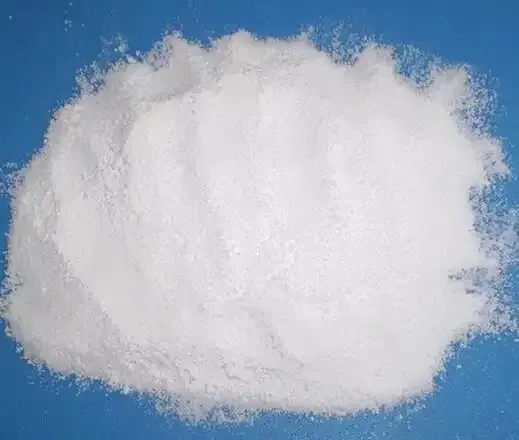
Honokiol CAS#35354‑74‑6
Honokiol is one of the signature bioactive neolignan constituents extracted from the root bark and branch bark of Magnolia officinalis, a well‑documented medicinal woody plant in traditional Chinese herbal heritage. This botanical raw material was first recorded in the ancient Chinese classic Shen‑Nong Ben‑Jing, an early foundational text of herbal materia medica. Magnolia officinalis thrives in cool‑humid climatic zones and prefers well‑drained acidic soil conditions, which directly shapes the quality variance of harvested bark materials across different planting territories.
Cortex Magnoliae Officinalis, commonly known as “Hou‑po”, features major genuine producing zones covering multiple Chinese provinces. High‑quality raw bark resources are concentrated in Sichuan (Wanquan, Shizhu, Guanxian) and Hubei (Enshi, Yichang, Lichuan). Large‑volume commercial supplies also originate from Zhejiang’s Longquan and Anhui growing areas. Wider natural and cultivated distribution extends further across Fujian, Jiangxi, Hunan, Guangxi, Yunnan, Guizhou, Shanxi and Gansu provinces.
Material sourced from Sichuan and Hubei is commercially termed “Chuan Pu”, widely recognized for superior intrinsic quality and higher accumulation of target active compounds such as honokiol and magnolol. Output from Zhejiang regions is generally referred to as “Wen Pu”, characterized by large annual yield and stable supply capacity to satisfy bulk industrial‑scale extraction demands. Variations in local soil, rainfall and altitude will create subtle differences in metabolite profiles of collected bark, so strict raw‑material screening is implemented to guarantee consistent purity and batch repeatability for final isolated honokiol powder, making it suitable for natural‑product research, pharmacological mechanism study and cosmetic raw‑material formulation development.
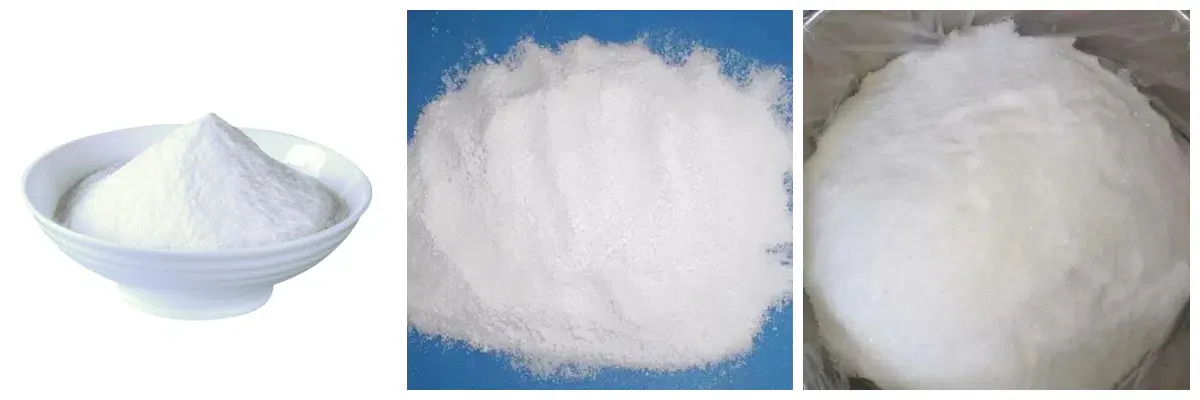
Honokiol Chemical Properties |
Melting point | 86℃ |
Boiling point | 400.1±40.0 °C(Predicted) |
density | 1.107±0.06 g/cm3(Predicted) |
storage temp. | 2-8°C |
solubility | DMSO: 36 mg/mL |
pka | 9.89±0.48(Predicted) |
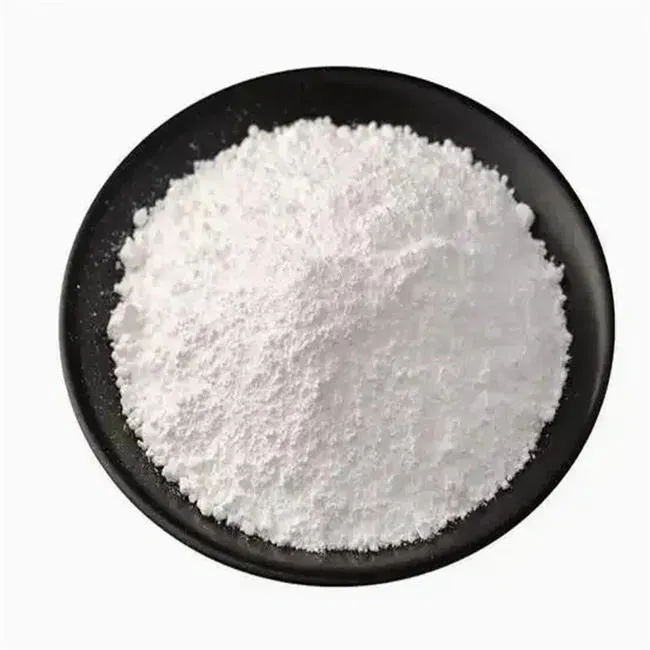
form | powder |
color | White to Off-White |
Merck | 14,4742 |
Stability: | Light Sensitive |
Major Application | food and beverages |
Cosmetics Ingredients Functions | BLEACHING |
InChI | InChI=1S/C18H18O2/c1-3-5-13-7-9-18(20)16(11-13)14-8-10-17(19)15(12-14)6-4-2/h3-4,7-12,19-20H,1-2,5-6H2 |
InChIKey | FVYXIJYOAGAUQK-UHFFFAOYSA-N |
SMILES | C1(C2=CC=C(O)C(CC=C)=C2)=CC(CC=C)=CC=C1O |
LogP | 4.200 (est) |
CAS DataBase Reference | 35354-74-6(CAS DataBase Reference) |
Safety Information |
Hazard Codes | Xi,N |
Risk Statements | 41-51/53 |
Safety Statements | 26-39-61 |
RIDADR | UN 3077 9/PG 3 |
WGK Germany | 3 |
HazardClass | 9 |
HS Code | 29072990 |
Storage Class | 11 - Combustible Solids |
Hazard Classifications | Aquatic Chronic 2 |
Product Application of Honokiol CAS#35354‑74‑6
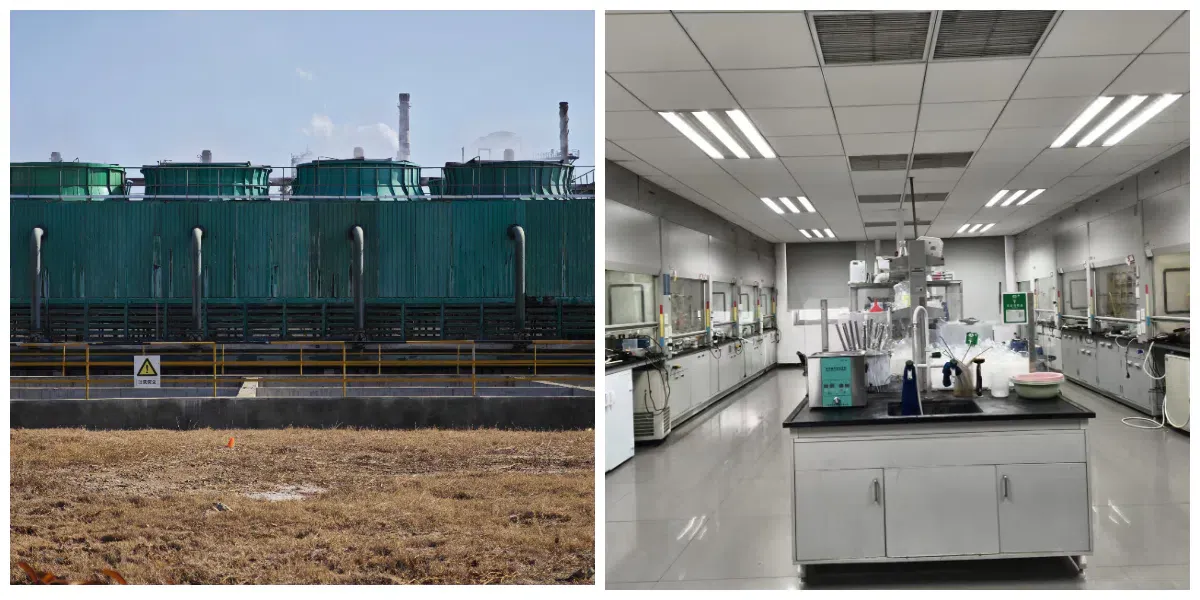
Derived from Magnolia officinalis, magnolia bark material occupies a significant position within traditional Chinese medicinal systems and has long‑term application histories integrated into numerous classic herbal compound prescriptions. In recent decades, extensive research efforts carried out by domestic and international academic teams have delved deep into this botanical raw material, covering its active constituent profiling, pharmacological performance and preliminary clinical pharmacy evaluation. Based on those systematic research outcomes, multiple commercial consumer‑end goods have been successfully launched onto global markets, including anti‑caries toothpaste and antibacterial chewing gum formulated with magnolia bark extracts. These finished commodities leverage the intrinsic bacteriostatic properties of honokiol to target oral pathogenic bacteria and support daily oral‑hygiene maintenance. Beyond existing commercial oral‑care products, honokiol also draws wide attention for anti‑inflammatory and antioxidant bio‑activities, making it a promising candidate substance for cosmetic development, nutraceutical exploration and diverse pre‑clinical pharmacological research work. Strict quality control is implemented throughout purification and production processes to guarantee stable batch‑to‑batch consistency for downstream formulation and laboratory test projects.
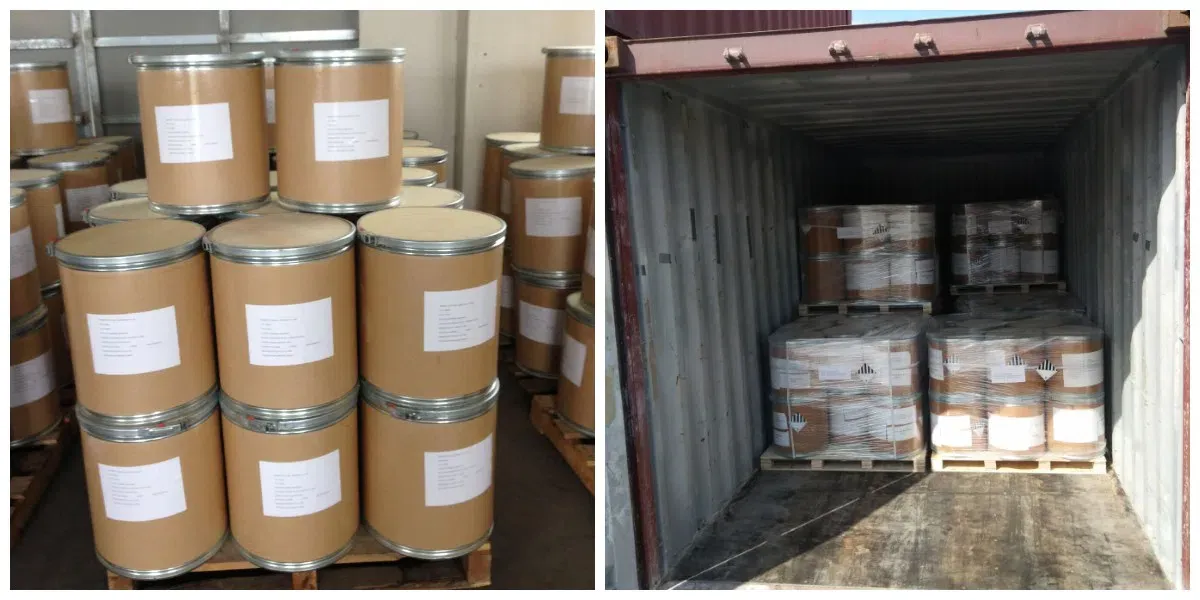
Regarding shipment solutions, flexible fast‑turnaround delivery options are accessible to accommodate customers’ varied project schedules. Goods from existing stock can be dispatched within 2‑3 working days upon formal order confirmation. For orders requiring custom fresh production, the whole manufacturing cycle will span roughly 7‑10 working days prior to shipment completion. Essential supporting documentation such as COA, MSDS and analytical reports can be supplied on request, streamlining import customs clearance and in‑house quality validation procedures for buyers.
Previous product: Harringtonine CAS#26833‑85‑2