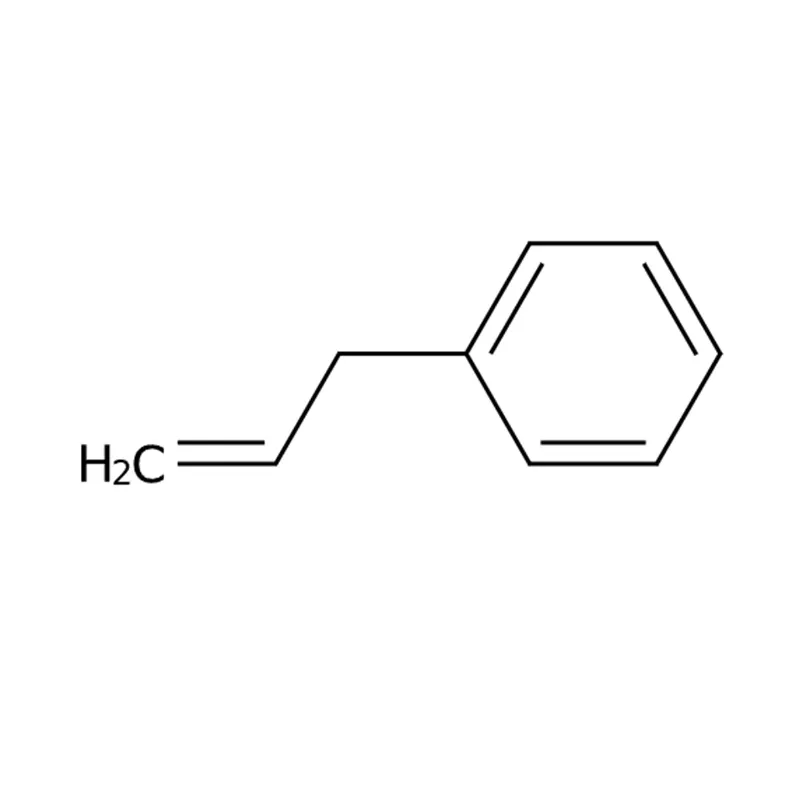
N-(Trimethylsilyl)imidazole (TMSI) is a powerful selective silylating agent for alcohols, phenols and 1,3-dicarbonyl compounds. It reacts with esters to form imidazolides, supports the synthesis of O-trimethylsilyl monothioacetals, and realizes aromatization of the A-ring of steroid structures.
It engages in multiple core organic reactions: Hydroxyl Silylation Reactions, Silyl Aminal Formation Reactions, Nitrogen Silylation Reactions, Acyl Imidazole Formation, Michael Addition Reactions, Substitution Reactions, Phosphoroimidazolidate Formation, etc.
Widely applied in pharmaceutical intermediate synthesis and fine chemical R&D, it provides selective protection for hydroxyl groups. It also acts as a GC-MS derivatization reagent for carbohydrates, sterols and natural products, enhancing analyte volatility for chromatographic qualitative & quantitative analysis.
| N-(Trimethylsilyl)imidazole Chemical Properties |
| Melting point | -42 °C |
| Boiling point | 93-94 °C14 mm Hg(lit.) |
| density | 0.957 g/mL at 20 °C |
| refractive index | n |
| Fp | 42 °F |
| storage temp. | Store below +30°C. |
| solubility | Chloroform |
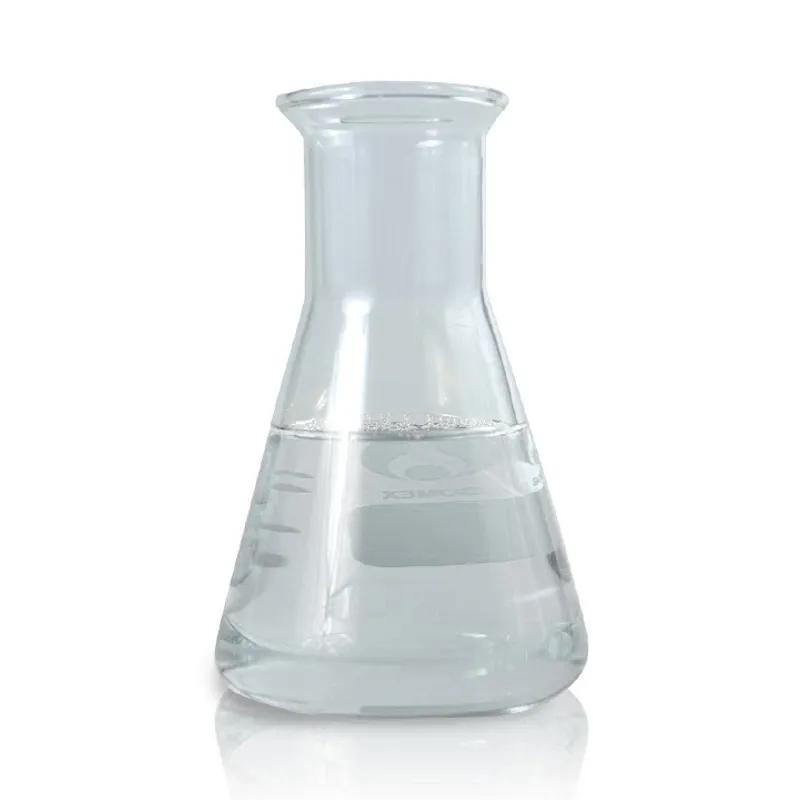
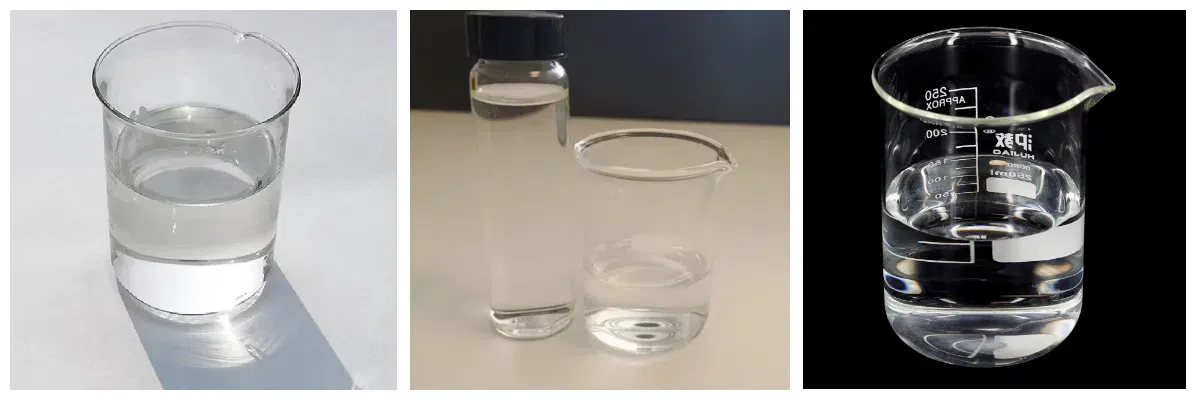
| form | Liquid |
| pka | 7.96±0.10(Predicted) |
| color | Clear colorless to yellow |
| Specific Gravity | 0.956 |
| Water Solubility | decomposes |
| Sensitive | Moisture Sensitive |
| Hydrolytic Sensitivity | 7: reacts slowly with moisture/water |
| BRN | 606148 |
| Stability: | Air and Moisture Sensitive |
| InChI | 1S/C6H12N2Si/c1-9(2,3)8-5-4-7-6-8/h4-6H,1-3H3 |
| InChIKey | YKFRUJSEPGHZFJ-UHFFFAOYSA-N |
| SMILES | C[Si](C)(C)n1ccnc1 |
| CAS DataBase Reference | 18156-74-6(CAS DataBase Reference) |
| NIST Chemistry Reference | 1h-Imidazole, 1-(trimethylsilyl)-(18156-74-6) |
| EPA Substance Registry System | 1H-Imidazole, 1-(trimethylsilyl)- (18156-74-6) |
| Safety Information |
| Hazard Codes | F,Xi,C |
| Risk Statements | 11-36/37/38-14-40-34-37-35-20/21/22 |
| Safety Statements | 16-26-33-37/39-45-36/37/39 |
| RIDADR | UN 1993 3/PG 2 |
| WGK Germany | 3 |
| RTECS | NI8700000 |
| F | 10-21 |
| Autoignition Temperature | 540 °C DIN 51794 |
| TSCA | TSCA listed |
| HazardClass | 3 |
| PackingGroup | II |
| HS Code | 29332990 |
| Storage Class | 3 - Flammable liquids |
| Hazard Classifications | Acute Tox. 4 Oral Eye Irrit. 2 Flam. Liq. 2 Skin Irrit. 2 |
In synthetic chemistry, TMSI acts as a premium silylation agent for alcohols, phenols, and 1,3-dicarbonyl compounds. It efficiently reacts with esters to produce high-purity imidazolides and supports the customized preparation of O-trimethylsilyl monothioacetals. It is uniquely effective for the aromatization modification of the A-ring of steroid structures, playing an irreplaceable role in the synthesis of steroid APIs and natural active molecular optimization.
This product participates in a wide range of sophisticated organic reactions, including Hydroxyl Silylation Reactions, Silyl Aminal Formation Reactions, Nitrogen Silylation Reactions, Acyl Imidazole Formation, Michael Addition Reactions, Nucleophilic Substitution Reactions, and Phosphoroimidazolidate Formation. Its stable reaction activity effectively improves conversion rates, reduces by-product generation, and enhances the overall purity of synthetic products.
One of TMSI’s most prominent advantages is its excellent reaction selectivity. It preferentially protects hydroxyl groups without interfering with amino groups and inert ketone structures, enabling precise group protection in complex molecules containing multiple active functional groups. This characteristic greatly improves reaction controllability and product yield in pharmaceutical intermediate synthesis and multi-step organic preparation.
In analytical chemistry, TMSI serves as a mainstream derivatization reagent for GC-MS detection. It can efficiently derivatize polar substances such as sugars, organic acids, sterols, hormones, and amino compounds, significantly improving the volatility and thermal stability of test samples. It solves the detection difficulties of non-volatile and thermally unstable polar compounds, ensuring accurate qualitative and quantitative analysis in pharmaceutical testing, food detection, and biochemical research.
In addition to synthetic and analytical applications, TMSI can also be used as a high-efficiency catalyst and modifier in fine chemical manufacturing. It accelerates esterification, transesterification, and partial polymerization reactions, optimizing production efficiency while maintaining stable product quality. It is widely recognized in pharmaceutical factories, chemical R&D laboratories, and high-purity reagent manufacturing industries for its high activity, low impurity residue, and mild reaction system.
With strict quality control, high purity, and stable chemical properties, our N-(Trimethylsilyl)imidazole guarantees consistent silylation efficiency and derivatization performance in batch industrial production and laboratory research, making it a reliable choice for high-end fine chemical and pharmaceutical synthesis projects.