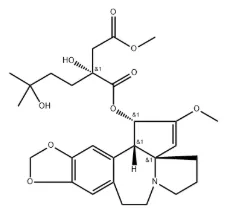
Harringtonine belongs to a precious natural alkaloid sourced from the branches and leaves of Cephalotaxus fortunei, a rare medicinal woody plant material. The finished product is obtained through a comprehensive manufacturing workflow consisting of multi‑stage solvent extraction, repeated column chromatographic separation and precision recrystallization purification procedures, so as to meet stringent quality benchmarks for pharmaceutical‑grade raw materials. Every production batch is subjected to thorough quality oversight aligned with international pharmacopoeia requirements, adopting HPLC quantitative content detection together with systematic impurity profiling screening. This rigorous testing regime greatly cuts down residual miscellaneous plant‑derived impurities that may trigger adverse interference during downstream drug formulation exploration, pre‑clinical research and compound preparation operations.
Characterized by inherent hygroscopic crystalline nature, this active alkaloid is highly susceptible to moisture absorption from ambient air. Improper storage conditions may trigger compositional changes, reduce active ingredient content and compromise overall product integrity over long‑term storage cycles. Therefore, hermetic sealing combined with low‑temperature preservation environment is strongly recommended. Such proper handling measures can efficiently restrain moisture intrusion, slow down substance degradation and preserve stable physicochemical properties as well as bio‑activity, ensuring dependable experimental repeatability and consistent performance for pharmaceutical R&D projects across different test batches.
Test Item | USP API Grade(Pharmaceutical Bulk) | Lab Research Reagent Grade |
Harringtonine Assay(HPLC) | ≥98.0% | ≥99.0% |
Loss on Drying | ≤0.50% | ≤0.30% |
Residual Organic Solvent | Meet ICH Q3C Limit | ≤100ppm single solvent |
Heavy Metal(Pb/As/Cd) | ≤10ppm total | ≤5ppm total |
Related Substance(Impurity) | ≤1.0% single unknown impurity | ≤0.50% single impurity |
HARRINGTONINE Chemical Properties |
Melting point | 73~75℃ |
Boiling point | 679.4±55.0 °C(Predicted) |
density | 1.35±0.1 g/cm3(Predicted) |
storage temp. | 2-8°C |
solubility | DMF: 25 mg/ml; DMSO: 25 mg/ml; Ethanol: 25 mg/ml; Ethanol:PBS(pH 7.2) (1:1): 0.5 mg/ml |
pka | 11.62±0.29(Predicted) |
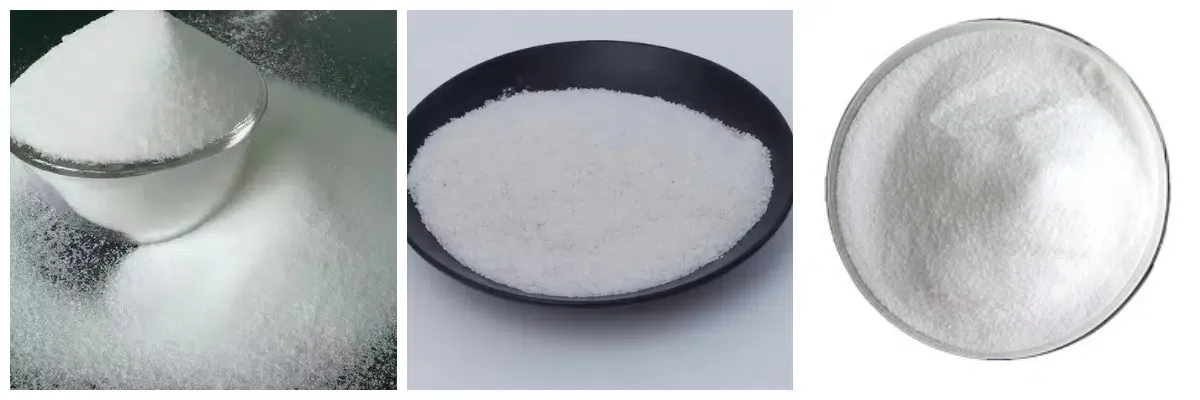
form | A crystalline solid |
color | White to light yellow |
Safety Information |
RIDADR | 1544 |
HazardClass | 6.1(a) |
PackingGroup | II |
Product Application of HARRINGTONINE CAS#26833‑85‑2
Within the global pharmaceutical sector, harringtonine functions as a vital core raw intermediate deployed for the development of anti‑leukemia and anti‑tumor finished medicinal products. It finds extensive utilization across multiple key workstreams, including pre‑clinical pharmacological assessment, novel drug formulation screening, as well as generic drug synthetic research carried out by biopharmaceutical companies worldwide. Beyond industrial‑oriented pharmaceutical research and development programs, this high‑value natural alkaloid also serves academic research demands. It is regularly delivered to university laboratories and specialized pharmaceutical research institutes to support cell‑level pharmacodynamic assays and in‑depth exploration of anti‑tumor molecular mechanisms, laying solid material foundations for academic paper output and project‑related experimental verification.
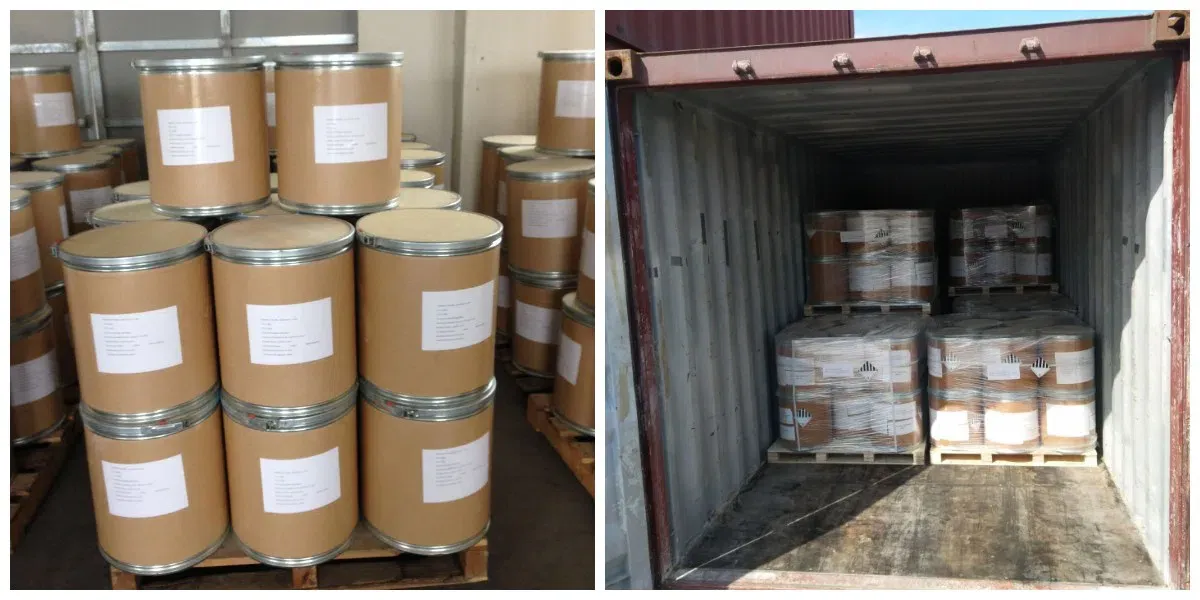
Flexible packaging options are available to match diverse usage scenarios. Small gram‑scale trial packages such as 1 g and 5 g aluminum foil sachets are offered for preliminary feasibility testing, while large‑volume batches adopt hermetically‑sealed aluminum cans for long‑term stock preservation. A complete package of supporting technical files including COA, HPLC spectrogram, MSDS and impurity test reports can be supplied. These documents greatly assist overseas pharmaceutical‑related organizations to complete import formalities and internal registration filing processes. For long‑term R&D collaborative partners, further adjustments on purification indicators and product specifications are open for commercial negotiation to fit customized research requirements.
Regarding shipment logistics, reliable quick‑ship solutions are in place to accommodate varied research project schedules. Goods from existing stock can be shipped out within 2‑3 working days after order confirmation. For items that require newly arranged production cycles, the whole manufacturing process will take approximately 7‑10 working days before goods become ready for dispatch.
Previous product: Dauricine CAS#524‑17‑4