Products Description of Hydroxypropyl methyl cellulose CAS#9004-65-3
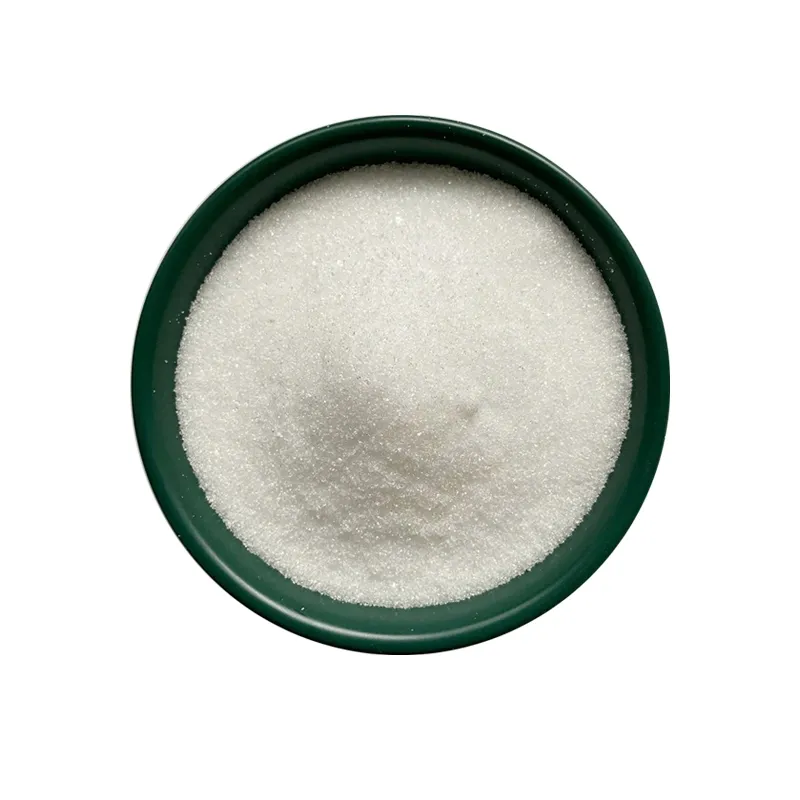
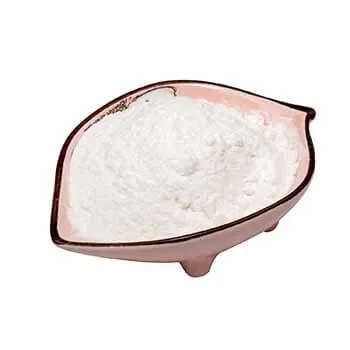
Hydroxypropyl Methyl Cellulose, commonly abbreviated as HPMC, is a white or off-white powdered non-ionic cellulose ether modified based on methyl cellulose raw materials. It can dissolve in cold water as well as certain organic solvents to create a uniform viscous aqueous solution, which comes with good surface activity and outstanding film-forming capacity.
A distinctive property of HPMC solution is its reversible sol-gel transition triggered by temperature variation. The solution stays stable under ambient temperature; when heated to a specific temperature, it will turn into gel state, and revert back to liquid form after cooling down. This unique characteristic makes it highly valuable in many formulation systems.
HPMC serves as a multi-functional additive. It acts as thickener, stabilizer, binder, dispersant, coating material and film-forming agent. It has extensive application coverage across pharmaceutical, food, cosmetic, construction, textile and petroleum sectors. Our HPMC products feature reliable batch-to-batch consistency with controllable viscosity grades to match different customers’ formulation and production requirements.
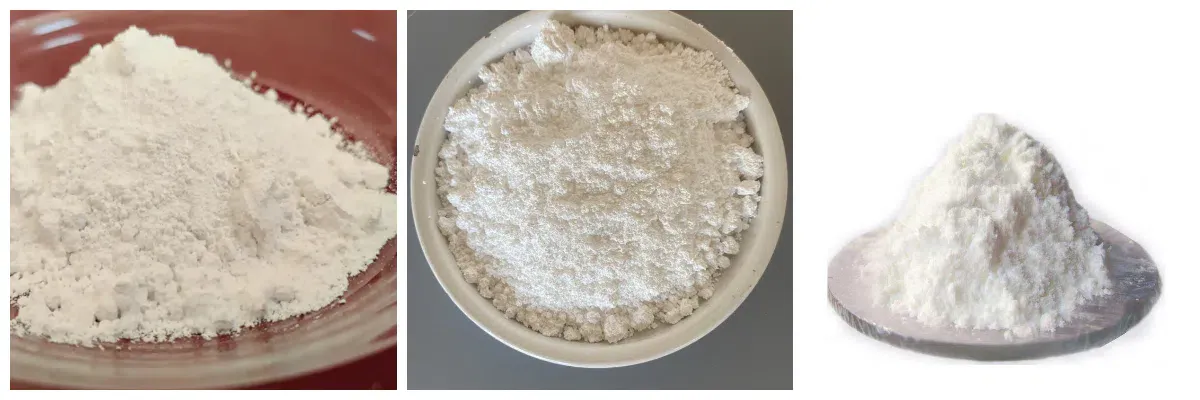
| Hydroxypropyl methyl cellulose Chemical Properties |
| Melting point | 225-230 °C |
| density | 1.39 |
| storage temp. | room temp |
| solubility | H2O: 50 mg/mL, clear to very faintly turbid, faintly yellow |
| form | powder |
| color | White to cream |
| Odor | Odorless |
| PH | 5.0-8.0 |
| biological source | plant |
| Water Solubility | SOLUBLE |
| Merck | 14,4842 |
| Stability: | Stable. Solid is combustible, incompatible with strong oxidizing agents. |
| EPA Substance Registry System | 2-Hydroxypropyl methyl cellulose (9004-65-3) |
| Safety Information |
| Safety Statements | 24/25 |
| WGK Germany | 1 |
| RTECS | NF9125000 |
| F | 3-10 |
| TSCA | Yes |
| HS Code | 39129000 |
Product Application of Hydroxypropyl methyl cellulose CAS#9004-65-3
H2: Product Basic Information
H3: Basic Specifications
Hydroxypropyl Methyl Cellulose, abbreviated as HPMC, CAS#9004-65-3, is a non-ionic cellulose ether. It is a white or off-white fibrous powder, made from natural cotton cellulose through etherification modification. The product is soluble in cold water to form a transparent viscous solution, and its aqueous solution presents thermal gelation property — the solution turns into gel when heated, and re-dissolves after cooling. It has excellent thickening, water retention, film-forming, bonding and lubricating performance, and good compatibility with most other additives.
H3: Product Grade Classification
We provide multiple customized grades of HPMC with different viscosity specifications, including Construction Grade, Food Grade, Pharmaceutical Grade and Cosmetic Grade. Each grade is produced and packed independently, to satisfy different industry requirements and compliance standards.
H2: Main Product Applications
H3: Construction Industry
HPMC is widely used in dry-mix mortar, tile adhesive, putty, plaster and self-leveling materials. It serves as water retention agent and thickener, preventing rapid water loss of mortar, improving construction workability and extending open time. It also enhances adhesion strength and avoids cracking of finished layers.
H3: Food Industry
It works as emulsion stabilizer, fat replacer, bulking agent and thickener. In food production, it can stabilize beverage emulsions, improve texture of baked goods, reduce oil absorption in fried food, and serve as a thickening additive in sauces and plant-based food. It complies with food additive standards.
H3: Pharmaceutical Industry
In pharmaceutical formulations, HPMC is used for tablet coating, binder, thickener and dispersant. It can form a uniform protective film on tablet surfaces to mask bitter taste and control drug release rate. It is also applied in ophthalmic preparations, ointment bases and sustained-release pill formulations.
H3: Cosmetic & Personal Care Industry
It is a common functional additive in shampoo, body wash, facial cream, lotion and makeup. As thickener, film former and emulsification stabilizer, it adjusts product viscosity, improves skin feel, stabilizes the formula system and prevents stratification.
H3: Other Industrial Fields
It can be used in water-based paints, ceramic glazes, printing inks and detergent industries. It acts as thickener, suspending agent and binder to improve product dispersion and storage stability.
H2: Packaging & Transportation
H3: Packaging Options
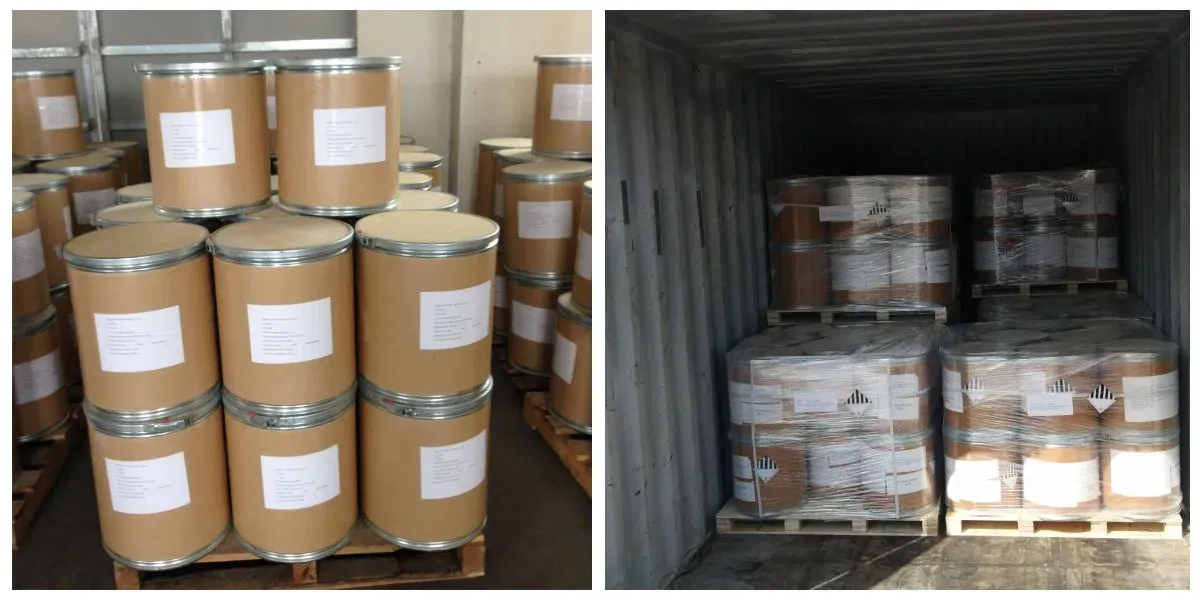
Standard package: 25kg kraft paper bag with PE inner liner. Customized packaging such as 20kg bags is available upon request. The inner liner is sealed tightly to keep moisture away and prevent powder agglomeration.
H3: Transportation Requirements
HPMC is non-hazardous goods for sea, land and air transport. During transit, keep away from moisture, rain and strong oxidants. Avoid heavy extrusion to prevent package breakage.
H3: Storage Notice
Store in cool, dry and ventilated warehouse. Keep bags sealed to avoid absorbing moisture. Do not stack goods directly on the ground. Shelf life is 24 months under proper storage conditions. Once opened, finish usage as soon as possible.
H2: Delivery Schedule
H3: In-Stock Goods
Products in warehouse can be arranged for shipment within 2–3 working days after receiving deposit or L/C.
H3: Newly Produced Batch
For customized viscosity grades or large newly produced orders, production and loading cycle takes 7–10 working days. We will regularly update production progress for clients.
H3: Applicable Trade Terms
We support EXW, FOB, CIF and DAP trade terms. Our team will complete container loading, inspection and document preparation synchronously.
H2: After-sales Service
H3: Technical Support
Our technical team provides free formulation consultation and usage guidance. We can offer suggestions for viscosity selection, dissolution method, additive dosage and formula compatibility according to your end products.
H3: Quality Complaint Handling
If quality issues are confirmed after receiving goods, please provide photos, COA and test samples. Our team will respond within 24 hours, and negotiate proper solutions such as re-delivery, discount or compensation in accordance with contract terms.
H3: Document Supply
We can supply full set of shipping documents, including Commercial Invoice, Packing List, Bill of Lading, COA, MSDS, Certificate of Origin and other certification files required for customs clearance. For food and pharma grades, relevant compliance certificates can also be provided.
H2: Customer Cases
H3: Dry Mortar Manufacturer
A building material factory in Southeast Asia purchases construction grade HPMC for tile adhesive and wall putty. Our stable viscosity and excellent water retention help them improve construction performance and reduce mortar cracking complaints.
H3: Cosmetic Formulation Factory
Many cosmetic manufacturers select our cosmetic grade HPMC as thickener for skincare and hair care products. Our low impurity index helps them obtain stable cosmetic formulations without delamination.
H3: Pharmaceutical Raw Material Distributor
Pharma raw material importers procure our pharmaceutical grade HPMC for tablet coating and sustained-release preparations. We provide qualified certification documents to meet local regulatory requirements.
H2: Quality Control
H3: Batch Inspection
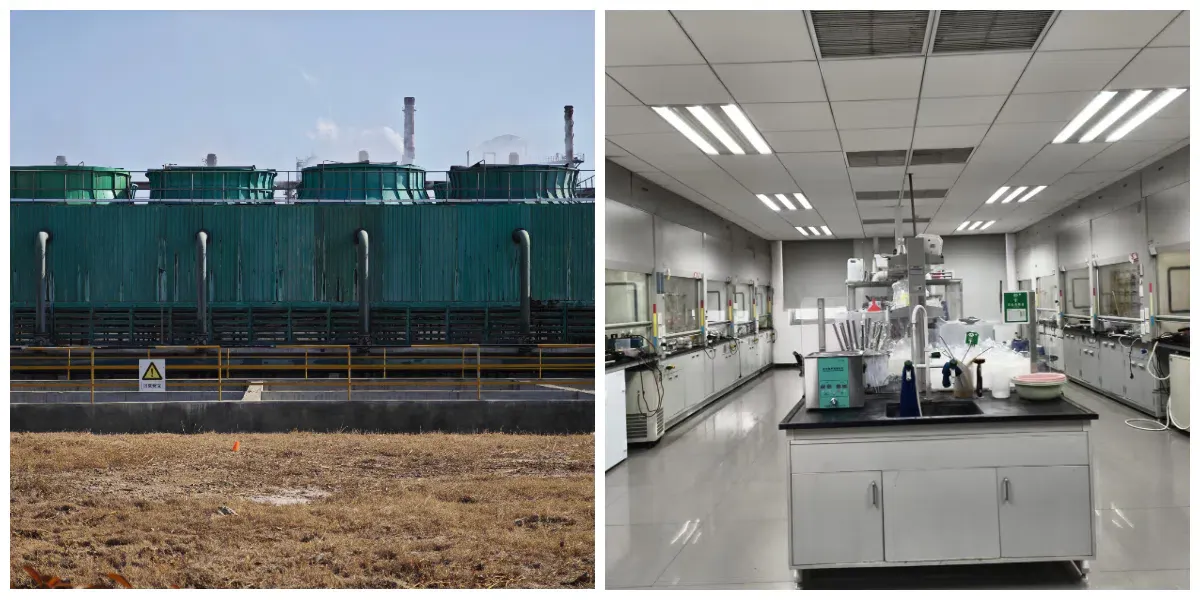
Every production batch will be fully tested before delivery. Testing items include viscosity, moisture content, ash, particle size, transparency and gel temperature. Only qualified batches can be released.
H3: Third-party Test Support
We accept third-party inspection such as SGS before loading, if required by clients.
H3: Quality Consistency
We adopt stable raw material sources and fixed production process to minimize batch-to-batch difference, suitable for long-term bulk orders.
H2: FAQ
H3: Q1: Which category should HPMC choose in your product dropdown list?
A: It depends on its grade:
Construction / industrial grade: Organic Raw Material
Food grade: Organic Raw Material
Cosmetic grade: Daily Chemicals
Pharma grade: Pharmaceutical Raw Materials
H3: Q2: How to dissolve HPMC correctly?
A: The recommended method is to disperse HPMC powder in hot water first for full dispersion, then add cold water and stir continuously to form a uniform viscous solution. Direct adding powder into cold water without pre-dispersion may cause agglomeration.
H3: Q3: Can you provide COA and MSDS?
A: Yes. COA will be issued with each batch of goods. MSDS can be sent before shipment for risk assessment and customs filing.
H3: Q4: What is your MOQ?
A: MOQ is 1 pallet for standard 25kg bags. MOQ for special customized viscosity grades can be negotiated.
H3: Q5: Can I get lab samples for formulation test?
A: Yes, small test samples are available. Sample freight cost can be discussed separately.