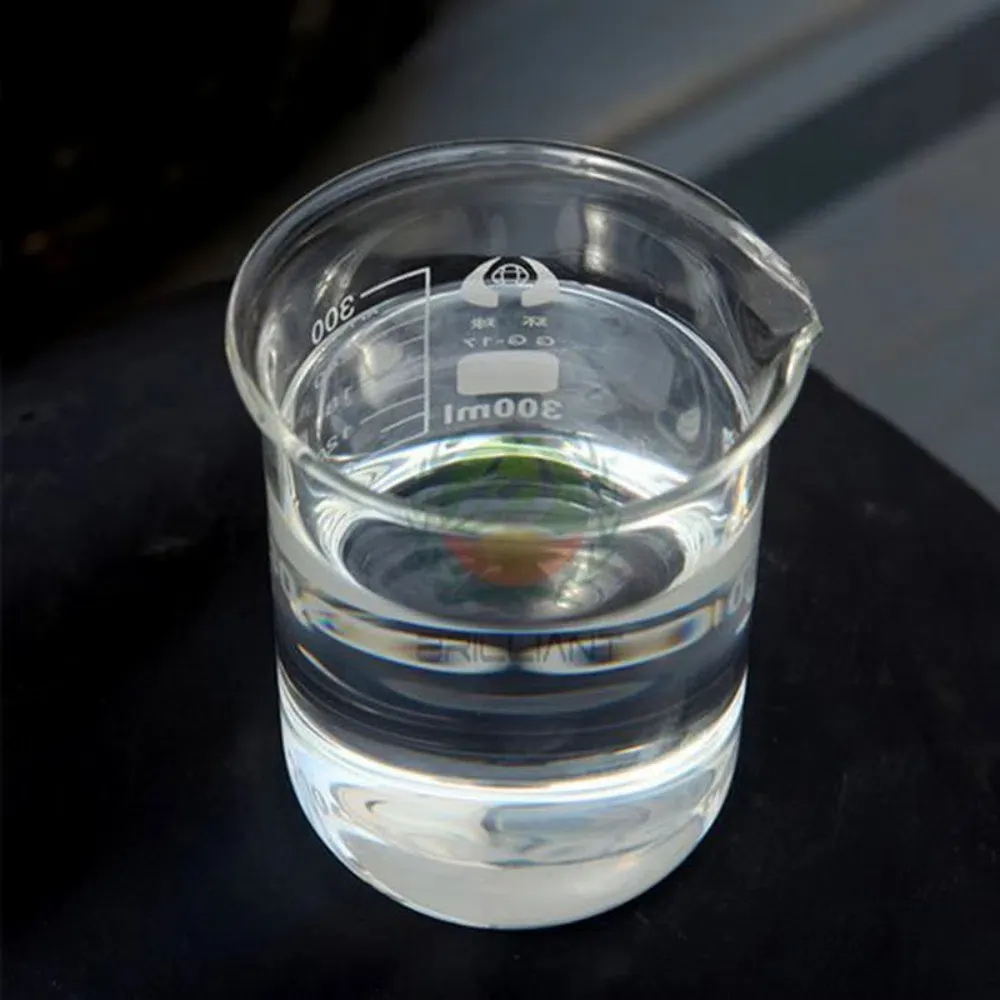
Methanol is the simplest aliphatic alcohol. It is a colorless, flammable, irritating liquid with a boiling point of 64.7°C, a melting point of -93.90°C, and a relative density of 0.7913. It is miscible with water and most organic solvents. It is highly toxic and may cause damage to the optic nerve. Ingestion can lead to blindness and even fatal poisoning.
Methanol carries the typical chemical characteristics of primary aliphatic alcohol. The three hydrogen atoms on the carbon linked to the hydroxyl group can undergo sequential oxidation to produce formaldehyde, formic acid and carbon dioxide. For this reason, it is widely consumed for formaldehyde synthesis. Methanol can be readily converted into key organic intermediates including methyl carboxylate, methyl chloride and methylamine. It also serves as an essential organic solvent, extracting agent and alcohol denaturant.
| Methanol Chemical Properties |
| Melting point | -98 °C(lit.) |
| Melting point | -97,8°C |
| Boiling point | 64,7°C |
| Boiling point | 65.4 °C(lit.) |
| density | 0.791 g/mL at 25 °C |
| density | d = 0,89 |
| vapor density | 1.11 (vs air) |
| vapor pressure | 410 mm Hg ( 50 °C) |
| refractive index | n |
| Fp | 52 °F |
| storage temp. | 2-8°C |
| solubility | benzene: miscible(lit.) |
| form | Liquid Free From Particulates |
| pka | 15.2(at 25℃) |
| Specific Gravity | 0.793 (20/20℃) |
| color | <10(APHA) |
| PH | 6.8 (20°C in H2O) |
| Relative polarity | 0.762 |
| Flame Color | Pale blue |
| Odor | Faint alcohol odor detectable at 4 to 6000 ppm (mean = 160 ppm) |
| Odor Threshold | 33ppm |
| explosive limit | 5.5-44%(V) |
| Water Solubility | miscible |
| λmax | λ: 210 nm Amax: 0.50 λ: 220 nm Amax: 0.30 λ: 230 nm Amax: 0.15 λ: 235 nm Amax: 0.10 λ: 240 nm Amax: 0.05 λ: 260 nm Amax: 0.01 λ: 400 nm Amax: 0.01 |
| Merck | 14,5957 |
| BRN | 1098229 |
| Henry's Law Constant | 4.99 at 25 °C (headspace-GC, Gupta et al., 2000) |
| Exposure limits | TLV-TWA (200 ppm) (ACGIH), 260mg/m3, 1040mg/m3 (800 ppm) 15minutes (NIOSH); STEL 310mg/m3 (250 ppm); IDLH 25,000 ppm (NIOSH). |
| Dielectric constant | 33.6(20℃) |
| Cosmetics Ingredients Functions | SOLVENT FRAGRANCE DENATURANT |
| InChI | 1S/CH4O/c1-2/h2H,1H3 |
| InChIKey | OKKJLVBELUTLKV-UHFFFAOYSA-N |
| SMILES | CO |
| LogP | -0.770 |
| Surface tension | 22.22mN/m at 298.15K |
| Surface tension | 22.7mN/m at 20°C |
| CAS DataBase Reference | 67-56-1(CAS DataBase Reference) |
| NIST Chemistry Reference | Methyl alcohol(67-56-1) |
| EPA Substance Registry System | Methanol (67-56-1) |
| Absorption | in accordance |
| Safety Information |
| Hazard Codes | Xn,T,F |
| Risk Statements | 10-20/21/22-68/20/21/22-39/23/24/25-23/24/25-11-40-36-36/38-23/25 |
| Safety Statements | 36/37-7-45-16-24/25-23-24-26 |
| RIDADR | UN 1170 3/PG 2 |
| OEB | A |
| OEL | TWA: 200 ppm (260 mg/m3), STEL: 250 ppm (325 mg/m3) [skin] |
| WGK Germany | 1 |
| RTECS | PC1400000 |
| F | 3-10 |
| Autoignition Temperature | 385 °C |
| TSCA | TSCA listed |
| HS Code | 2905 11 00 |
| HazardClass | 3 |
| PackingGroup | II |
| Storage Class | 3 - Flammable liquids |
| Hazard Classifications | Acute Tox. 3 Dermal Acute Tox. 3 Inhalation Acute Tox. 3 Oral Flam. Liq. 2 STOT SE 1 |
| Hazardous Substances Data | 67-56-1(Hazardous Substances Data) |
| Toxicity | LD50 oral (rat) 5628 mg/kg LD50 skin (rabbit) 15,840 mg/kg LC50 inhal (rat) >145,000 ppm (1 h) PEL (OSHA) 200 ppm (260 mg/m3) TLV-TWA (ACGIH) 200 ppm (260 mg/m3)—skin STEL (ACGIH) 250 ppm (328 mg/m3) |
| IDLA | 6,000 ppm |
Key Product Specifications
CAS Number: 67-56-1
Chemical Formula: CH₄O
Synonyms: Methyl alcohol, Wood alcohol, Carbinol
Purity: ≥99.9% (Industrial Grade)
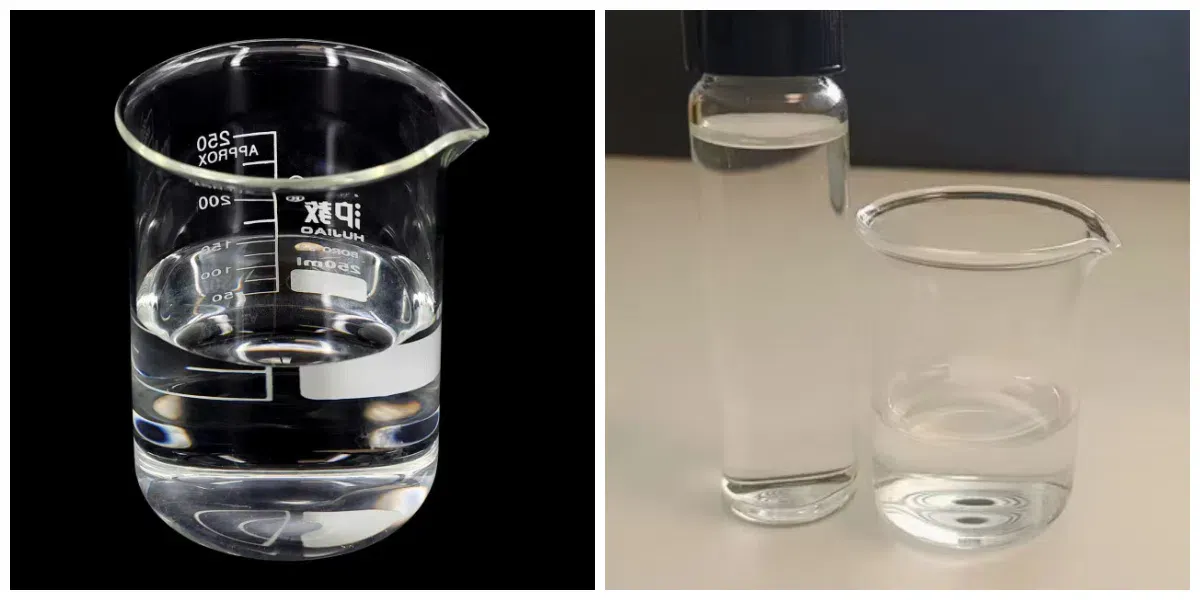
Appearance: Colorless, clear transparent volatile liquid
MOQ (Minimum Order Quantity): 1 FCL (20GP Full Container Load)
UN Number: UN1230
Hazard Class: Class 3 Flammable Liquid
Core Product Features
Besides its reactive properties for organic synthesis, methanol delivers excellent solvency for oils, resins and many polar substances. It features fast volatilization and low surface tension.
⚠️ Critical Safety Note: This product is highly toxic. Direct skin absorption, inhalation of high-concentration vapors or accidental ingestion will trigger poisoning. Strict PPE (goggles, chemical resistant gloves, respirator) is mandatory during all handling, transfer and production operations. Storage and usage must follow SDS and local hazardous chemical control regulations.
Application Scenarios
Organic Chemical Synthesis
The largest consumption field: raw material for formaldehyde production. It is also the base feedstock to produce methylamine, methyl chloride, methyl esters, dimethyl carbonate, acetic acid and many other fine chemical intermediates. These downstream products are widely used in adhesives, coatings, plastics and pesticide manufacturing.
Industrial Solvent & Extraction Agent
Used as a solvent for nitrocellulose, resins, dyes and rubber; applied in extraction processes for natural products, pharmaceutical intermediate separation and purification.
Fuel & Energy Field
Blending component for gasoline and clean fuel, raw material for biodiesel and dimethyl ether synthesis. It is also adopted in methanol fuel cells.
Other Industrial Uses
Alcohol denaturant, antifreeze additive for industrial circulating fluid, cleaning agent for electronic components, raw material for water treatment chemicals.
Packaging, Transportation & Storage
Standard Packaging: 160kg sealed carbon steel drum; IBC tank (1000kg) is available for bulk orders. Custom packing solutions can be discussed for long-term contracts.
Loading Reference: Around 19 tons per 20GP container (drums, palletized).
Trade Terms Supported: FOB, CFR, CIF. We ship from ports including Tianjin, Qingdao.
Transportation Rule: UN1230 Class 3 dangerous goods. Full dangerous goods declaration, shipping inspection and hazard label marking are required for sea freight.
Storage Condition: Store in a cool, well-ventilated dedicated hazardous chemical warehouse. Keep away from fire, heat sources, oxidants and strong acids. The warehouse must be equipped with explosion-proof electrical devices and leakage collection facilities.
Shelf Life: 12 months under proper sealed storage.
After-sales & Technical Support
We supply a complete set of export documents: COA, TDS, SDS, dangerous goods transport certification and customs filing materials.
Our technical team can provide safety operation guidance, compatibility reminder and formulation reference for your production.
If quality non-conformity is confirmed upon arrival within shelf life, please provide sampling test reports, photos and batch number. We will arrange re-inspection, negotiate compensation or remedial plans quickly
We maintain stable batch purity and strict factory inspection before shipment to avoid quality fluctuation.
Client Cases
We export industrial methanol steadily to chemical manufacturers, formaldehyde plants, coating factories and fine chemical producers across Central Asia, Middle East, Southeast Asia and Russia. Our customers use it for chemical synthesis, solvent formulation and fuel blending.
Our team has mature experience in hazardous chemical export procedures, dangerous goods booking and maritime shipment risk control.
FAQ
Q1: What purity grade of methanol do you supply?
A1: Our standard grade is 99.9% industrial methanol. We can discuss other grades according to your specification.
Q2: Can you arrange samples for testing?
A2: Small lab samples are available. Since methanol belongs to Class 3 dangerous goods, sample courier shipment has strict restrictions. We will check local courier rules and quote sample cost and freight separately. Sample fee can be deducted from future bulk FCL order.
Q3: What is your production lead time?
A3: Normally 7–10 working days after receiving deposit and confirming all shipment documents. We will notify you promptly if there is raw material or dangerous goods booking delay.
Q4: Is methanol compatible with water?
A4: Yes, it is fully miscible with water in any proportion. But mixing operation must be controlled carefully and keep away from open flame.
Q5: What documents will you provide for customs clearance?
A5: Commercial invoice, packing list, bill of lading, COA, TDS, SDS, dangerous goods certificate and other supporting files as required by your destination port.
Payment Terms
T/T, sight L/C are acceptable. Flexible payment terms can be offered for long-term stable cooperative customers after credit assessment.