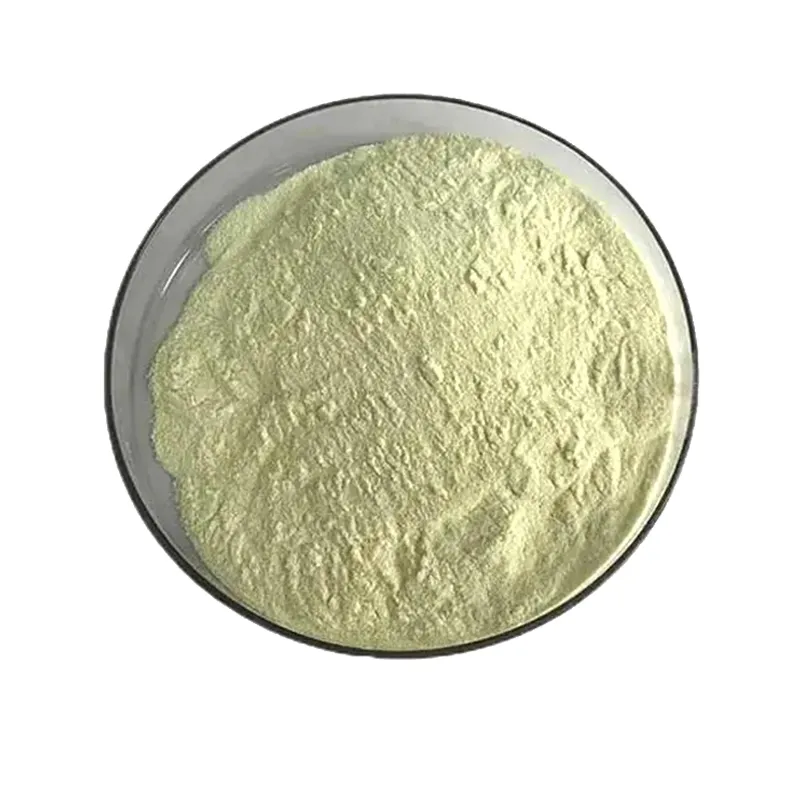
Product Details
Product Description of Collagenase (CAS# 9001-12-1)
Collagenase, alternatively known as clostridial peptidase, is a proteolytic enzyme manufactured via the fermentation process of Clostridium histolyticum.
Medical-grade collagenase is isolated and purified from the culture broth of Clostridium histolyticum ATCC 21000, boasting potent catalytic activity specifically targeting peptide bonds that contain the Gly–Pro sequence.
By breaking down native collagen molecules, this enzyme creates optimal conditions for the activation of other proteases, endowing it with a unique dual capability to both hydrolyze and denature collagen.
The medical-grade enzyme derived from collagenase is highly effective in digesting both natural and denatured collagen. It exerts a strong effect on necrotic tissue while promoting the formation of granulation tissue and the growth of epithelial cells—key processes in wound healing.
Notably, this product does not act on globulin or fibrin, ensuring the preservation of normal blood vessels and muscle tissue. As a result, it is widely utilized in clinical settings for debridement, scab removal, and the treatment of chronic skin ulcers, bedsores, as well as second- and third-degree burns.
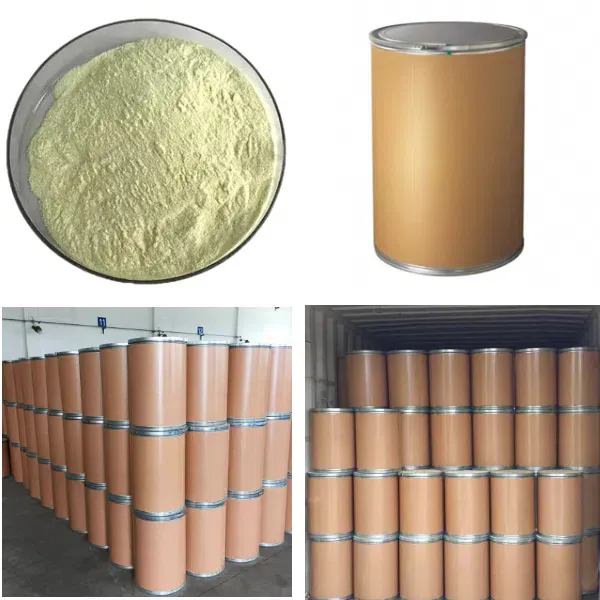
Product Application of Collagenase (CAS# 9001-12-1)
Role in Wound Healing and Scar Management
Collagen plays an indispensable role in wound repair and scar formation processes. It acts as a core component of elastic tissue and adhesive substances, while also fostering cell growth, differentiation, tissue development, and connective tissue proliferation. Beyond this, collagen supports capillary regeneration, triggers the chemotaxis of monocytes and fibroblasts, and aids in the nourishment and regulation of granulation tissue. Research findings indicate that collagen is effective in treating skin ulcers caused by various factors, promoting the epithelialization of both superficial and deep ulcerated areas, and facilitating the formation of granulation tissue to accelerate wound recovery.
Importance in Bone Structure and Strength
Collagen accounts for approximately 70–80% of the organic content in bone. During the process of bone formation, collagen fibers are synthesized first to establish the basic structural framework—earning collagen the reputation of being the “bone within bone.” These collagen fibers impart essential strength, flexibility, and elasticity to the bone. Analogous to how steel reinforcement reinforces concrete columns, collagen fibers provide structural support to bones; a deficiency in collagen is similar to using low-quality steel, which substantially elevates the risk of bone fractures.
Support Function in Breast Structure
The role of collagen in supporting breast structure has long been acknowledged. Breasts are primarily composed of connective tissue and adipose tissue, and their firmness and shape are largely determined by the strength of the connective tissue. As the main component of connective tissue, collagen interweaves with polysaccharide proteins to form a network structure, which provides necessary mechanical strength to support body contours and maintain an upright posture.
Protective and Elastic Function in Skin
Often described as “bone within bone, skin within skin, and flesh within flesh,” collagen serves as the structural foundation of the dermis. The dermis, roughly 2 mm in thickness, comprises the papillary layer, subpapillary layer, and reticular layer, and is predominantly composed of proteins—with collagen and elastin being the primary components. Collagen makes up approximately 70% of the skin’s composition. Functioning like a protective barrier covering the body, collagen enables the skin to withstand movement while retaining appropriate elasticity, firmness, and protective strength.

Collagenase Chemical Properties
| Storage temp | -20°C |
| Solubility | Soluble in aqueous buffers. |
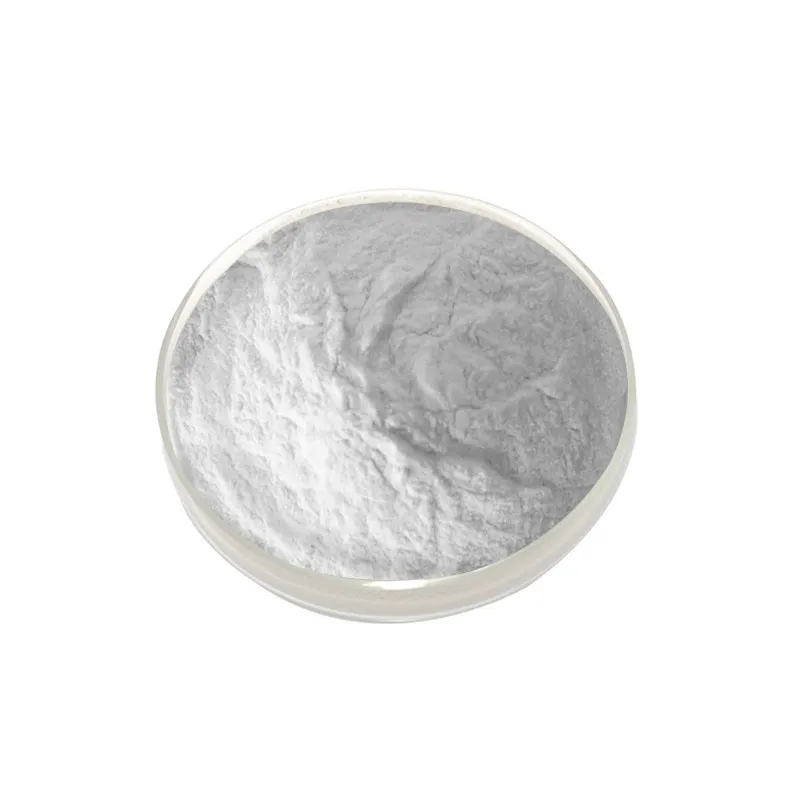
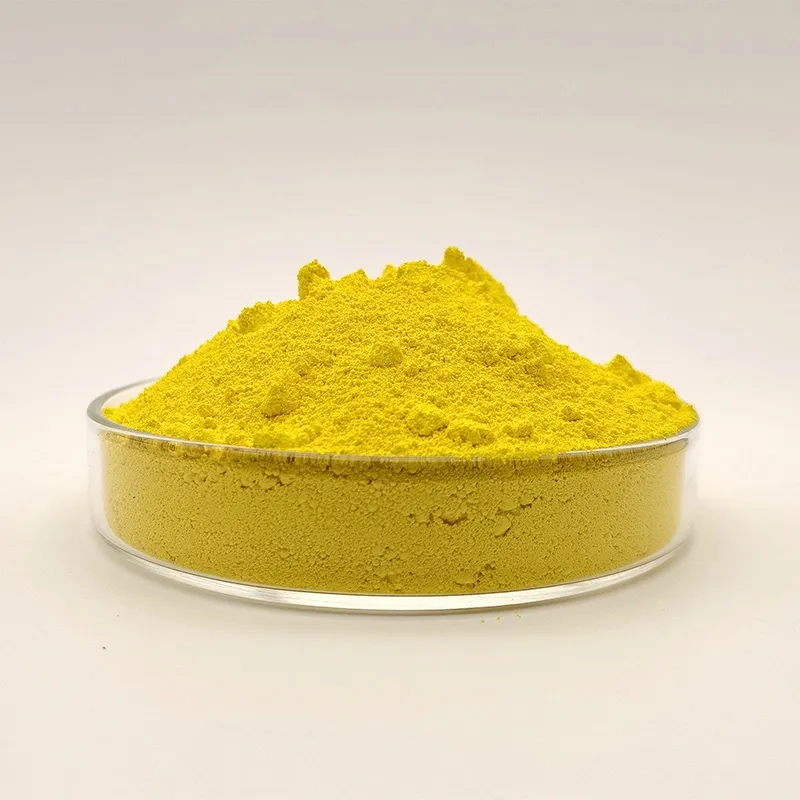
| Form | powder |
| Color | light brown |
| PH | 7 |
| Merck | 2481 |
| InChIKey | YRQNKMKHABXEJZ-UVQQGXFZSA-N |
| CAS DataBase Reference | 9001/12/1 |
| EPA Substance Registry System | Collagenase (9001-12-1) |
| Hazard Codes | Xn |
| Risk Statements | 36/37/38-42 |
| Safety Statements | 22-24-26-36/37 |
| WGK Germany | 1 |
| F | 10-21 |
| HS Code | 3507907000 |