Product Details
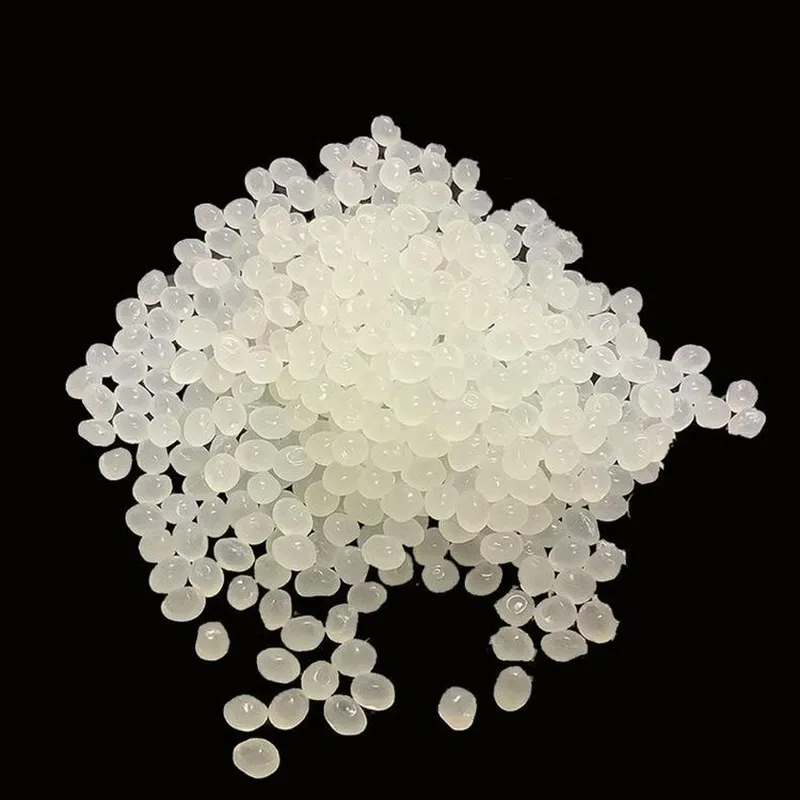
Polylactic acid (PLA) is an innovative bio-based, renewable, and biodegradable material. It is manufactured using starch extracted from renewable plant resources, including corn and cassava.
PLA powder is a dedicated product with applications spanning industries such as cosmetics, chemicals, coatings, and ceramics. Meanwhile, PLA fibers boast outstanding performance: they feature excellent breathability and sweat-wicking capabilities, are simple to shape and dye, and come with antibacterial and UV-resistant properties. Additionally, they are compatible with silk for blending processes.
Applications of PLA (Polylactic Acid)
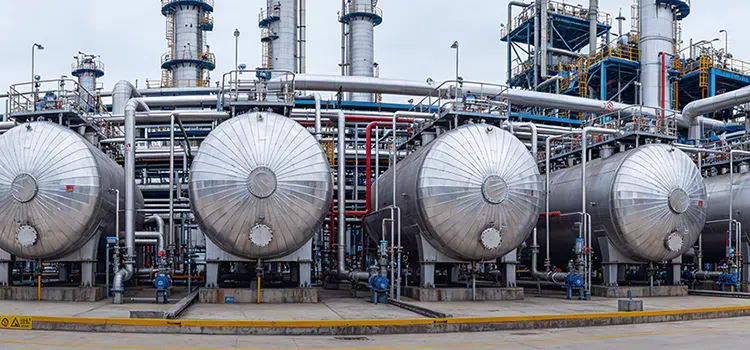
PLA is manufactured using agricultural crops (e.g., corn, cassava) as raw materials. The production process involves microbial fermentation and extraction to obtain lactic acid, which is then subjected to refining, dehydration, oligomerization, high-temperature pyrolysis, and polymerization to form the final product.
In terms of performance, PLA demonstrates excellent biodegradability: after disposal, soil microorganisms can fully decompose it within one year, breaking it down into CO₂ and water without causing environmental pollution. Chemically, PLA belongs to the aliphatic polyester family and retains the basic properties of general polymer materials. It features good processability and low shrinkage, making it a viable alternative for most synthetic plastics.
Its application scope is broad, covering the production of packaging materials, disposable tableware, appliance housings, fibers, 3D printing consumables, and more.